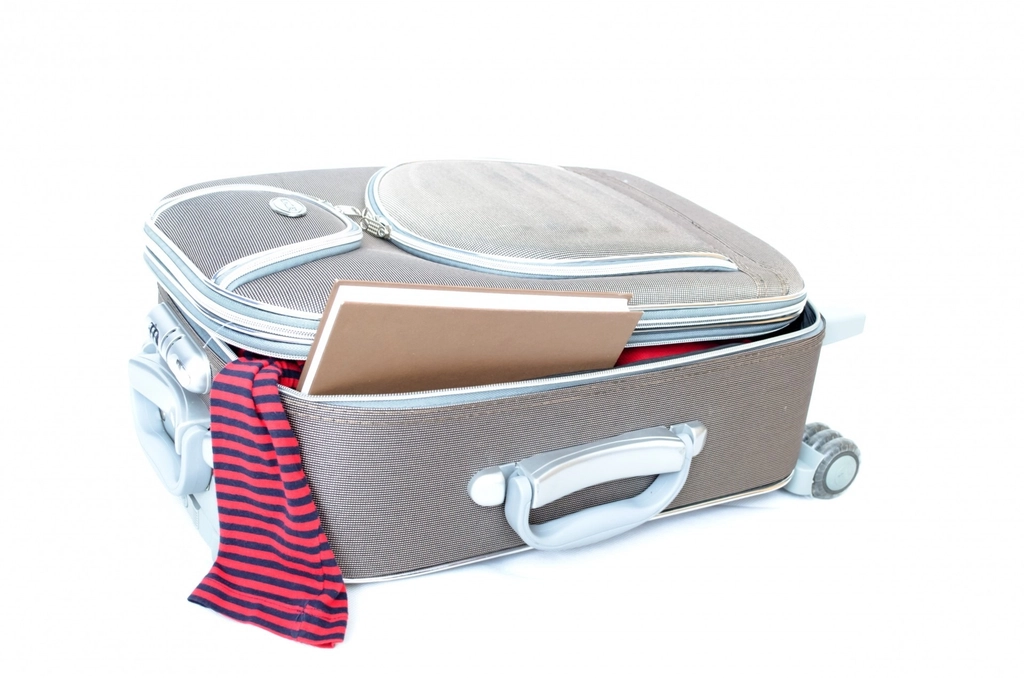
Photo: rawpixel · CC0
Yes. Flashlights are generally allowed in both carry-on and checked bags. The complications are not about the light itself but about its batteries, and about size, because a large metal flashlight can be treated as a possible club by the officer at the checkpoint.
What goes where
| Item | Carry-on | Checked |
|---|---|---|
| Small LED flashlight or headlamp | Yes | Yes |
| Spare lithium ion batteries | Yes, terminals protected | No |
| Spare alkaline batteries | Yes | Generally yes |
| Large heavy metal flashlight | Officer’s discretion | Safer choice |
| Flashlight with a strike bezel | Likely refused | Safer choice |
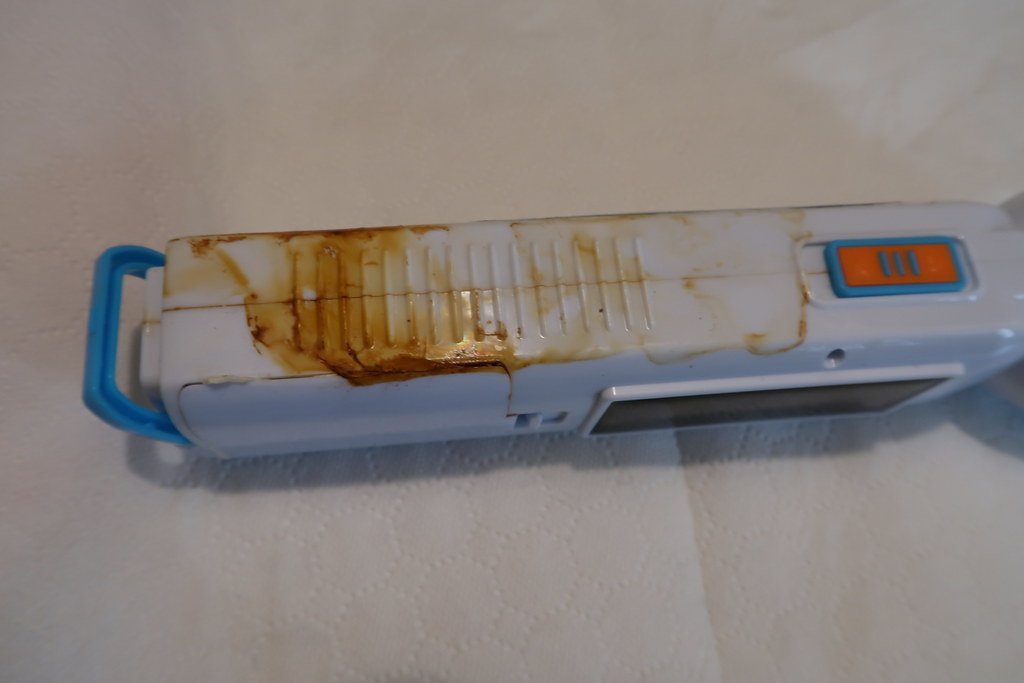
Batteries are the actual rule
Aviation rules treat lithium batteries as the hazard, not the flashlight. Spare lithium cells belong in the cabin, where a problem can be seen and dealt with, rather than in the hold. Carry them in their original packaging, a plastic case or a separate bag so the terminals cannot touch metal or each other. Above certain watt hour ratings you need airline approval, and above a higher rating they are not permitted at all, but those thresholds get revised, so read the current numbers on the FAA PackSafe pages instead of trusting a figure quoted in a forum post.
Stop it turning on inside your bag
- Use the lockout mode if your light has one. Many tactical and camping models have a twist or double click lockout.
- Loosen the tailcap a quarter turn. This breaks the circuit on most twist bodies and is the simplest trick there is.
- Reverse one battery in a simple light, or take the cells out and pack them separately.
- Tape the switch on a push button model, or pack it switch side up in a rigid pocket.
This matters because a powerful light left on inside a packed bag gets hot enough to scorch fabric, which is exactly the scenario the battery rules exist to prevent.
Size and shape decide the argument
A pocket light raises no eyebrows. A long aluminum flashlight of the kind used by security staff can reasonably be looked at as a bludgeon, and screening officers have discretion over items like that regardless of what a general list says. The same goes for anything with a toothed or pointed bezel. If you cannot afford to lose it, check it rather than gambling at the checkpoint.
How to verify before you pack
Rules change, so treat any article, including this one, as background rather than authority. Search the item in the TSA What Can I Bring tool, read the FAA PackSafe battery pages, and if you are still unsure, send a photo to the AskTSA account on social media, which answers item questions directly. Flying from another country adds a second layer: the departure country’s aviation authority and your airline both set their own conditions, and the airline’s dangerous goods page is the one that governs what they will accept.