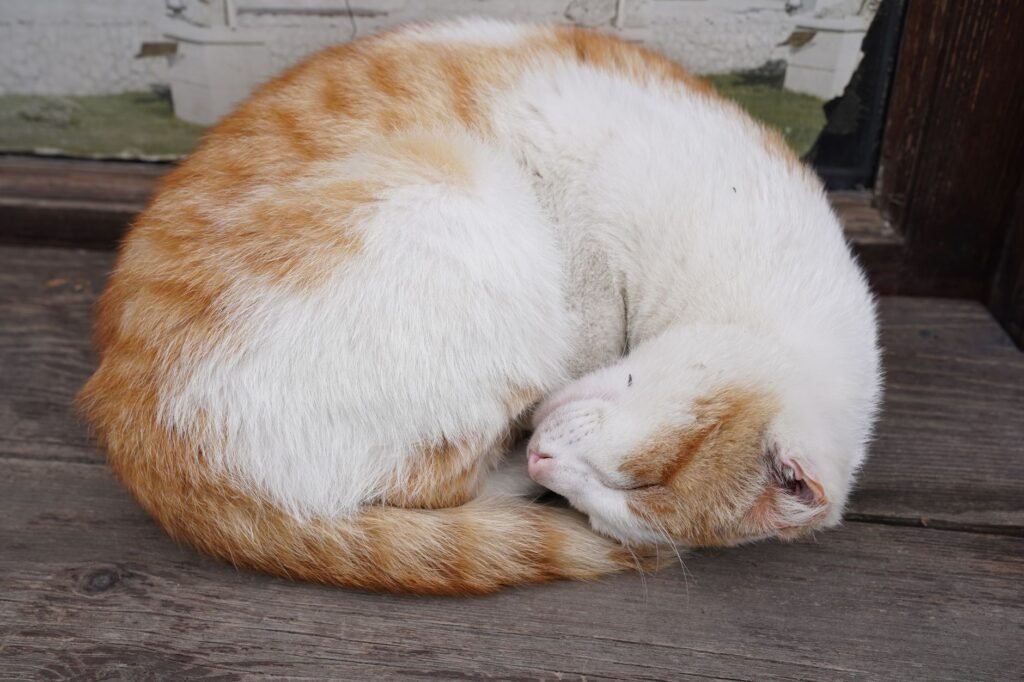
For most cats, yes. Soft snoring that happens only in deep sleep, changes when your cat moves, and disappears the moment it wakes is normally just a noisy sleeper. What is not routine is noise that carries into waking hours, or that appeared recently and keeps getting worse.
The three questions that sort it out

- Does it only happen asleep? Sleep only noise is the reassuring version. Noisy breathing while awake is not snoring and is a vet question.
- Has it always been there? A lifelong rattle in a flat faced cat is a trait. A snore that started last month is a change, and changes get looked at.
- Is anything else different? Appetite, energy, weight, grooming, and litter box habits are the things to check against.
Two reassuring answers and one odd one is still worth a phone call. Vets would far rather hear about it early than after a month of watching.
Write down when you first noticed, because memory compresses badly. Owners regularly tell a vet the snoring started a couple of weeks ago, then work out from their camera roll that the cat was already noisy at Christmas. A date in a notes app turns a vague impression into something a vet can actually use.
Normal snoring versus something to check
| Usually fine | Book a visit |
|---|---|
| Soft, intermittent, stops when the cat shifts | Loud, constant, unchanged by position |
| Present for years in a flat faced breed | New in a long nosed cat |
| Cat is bright, eating, playing normally | Eating less, hiding, or losing weight |
| Quiet, easy breathing when awake | Any noise or effort in breathing while awake |
| No discharge or sneezing | Runny nose, sneezing, watery eyes |
Small things at home that sometimes help
None of this treats anything, and none of it substitutes for a vet visit if something on the right hand column applies. For a cat who simply sounds stuffy, low dust litter, keeping strong sprays and scented candles away from where the cat sleeps, and adding some humidity to a dry room are all reasonable, cheap experiments.
Weight is the other lever owners can act on, and it is one to discuss with a vet rather than improvise, since feeding changes in cats need to be managed carefully.
What to tell the vet
Useful details are when the noise started, whether it is getting worse, whether it happens only asleep, and whether anything changed in the house around the same time, such as a new litter, a move, or a new pet. A short video of your cat asleep and another of it breathing while awake gives the vet far more than a description can.
Contact a vet promptly rather than booking ahead if your cat is breathing with its mouth open, or if breathing looks like effort.