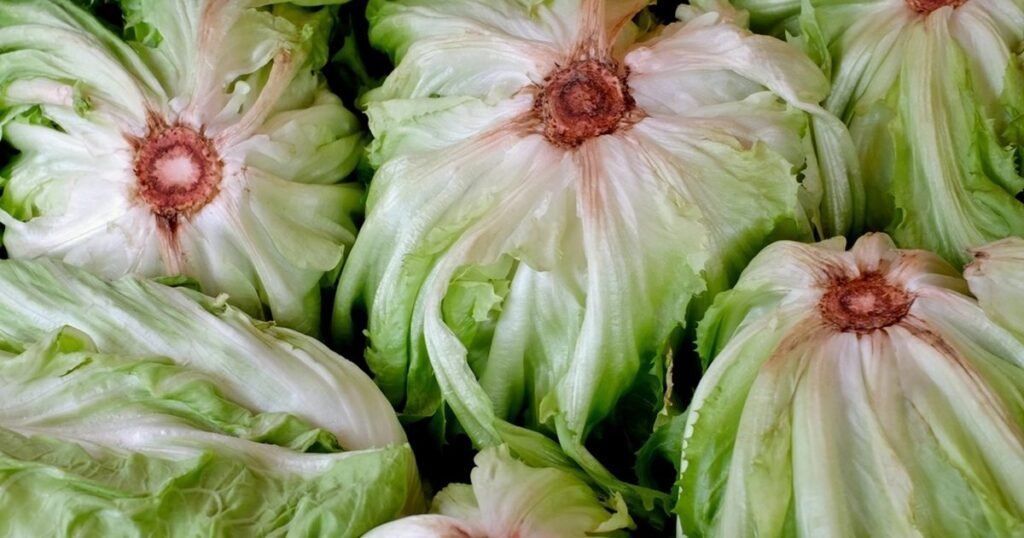
The answer is NAPA, four letters. Napa cabbage is the pale elongated head with crinkled leaves and wide white ribs used across East Asian cooking. SAVOY fills the five letter slots, and the two are not even the same species, which is the detail most lists skip.
Napa and savoy belong to different species
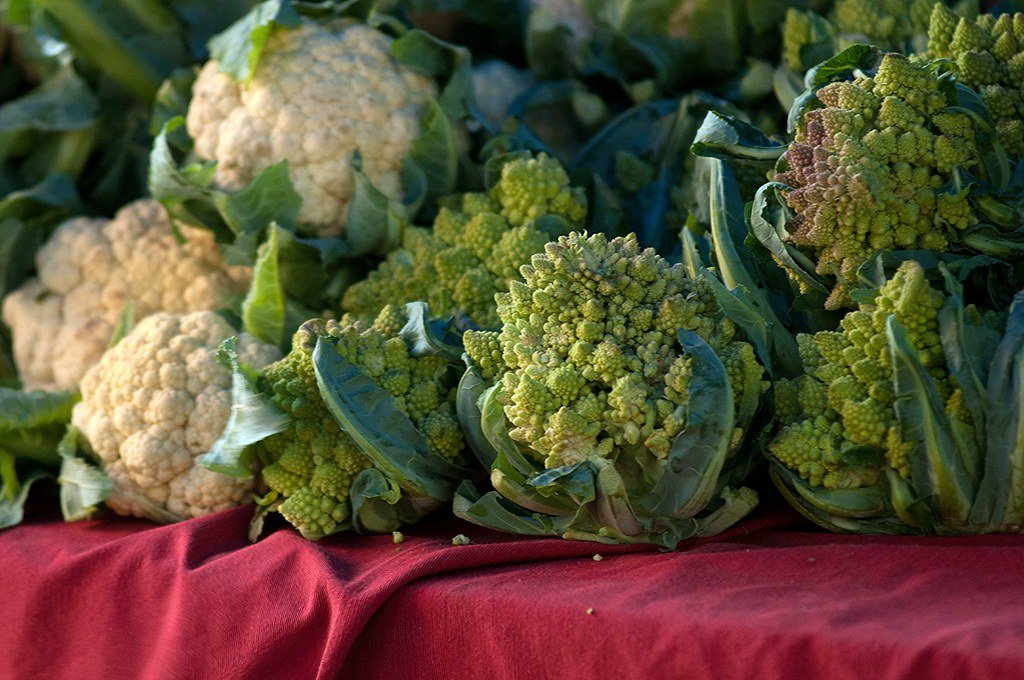
This gets stated wrongly nearly everywhere. Green cabbage, red cabbage, savoy, kale, broccoli, cauliflower, brussels sprouts and kohlrabi are all Brassica oleracea, a single species bred in different directions: cabbage for the terminal bud, broccoli for the flower stalks, kale for the leaves, kohlrabi for a swollen stem.
Napa cabbage is not in that group. It belongs to Brassica rapa, alongside bok choy, turnips and mizuna. So the two answers this clue reaches for most often are cousins rather than siblings, and the difference between them in the kitchen follows from the botany rather than from cooking tradition.

What the difference means in a pan
Napa has thin frilled blades and thick juicy white ribs, and it holds a great deal of water. Salting draws that water out, which is the first step in making kimchi and the reason napa collapses so readily into a stir fry or a hotpot. It cooks in minutes and turns sweet.
Savoy has a rounder, looser head of deeply crinkled dark green leaves with far more structure. It keeps its shape through long cooking, which is why it appears in braises, stuffed cabbage rolls and winter soups where a napa leaf would simply vanish. A clue mentioning kimchi, a stir fry or a hotpot means NAPA. A clue mentioning a braise, a roll or a winter dish means SAVOY.
Where the names come from
Savoy points at the Savoy region straddling the French and Italian Alps, which is the usual account of it. Napa has nothing to do with the California valley despite the spelling, and is generally traced to the Japanese word nappa, meaning leafy greens, which arrived in American English through the produce trade rather than through geography.
That accidental collision is a gift to constructors. A clue can lean on the wine country reading in its surface while meaning the vegetable in the grid, and the solver who counts four squares and thinks of a valley has been steered exactly where the editor wanted.
Lengths available from one vegetable aisle
Brassicas hand a constructor an unusually wide spread of lengths out of a single category, which is why the vegetable variety clue keeps coming back.
| Letters | Answer | Note |
|---|---|---|
| 3 | BOK | Short for bok choy, tight slots |
| 3 | RED | When the clue means color |
| 4 | NAPA | Pale and mild, Brassica rapa |
| 4 | KALE | Same species as cabbage, different part |
| 5 | SAVOY | Crinkled green European type |
| 5 | GREEN | The plain supermarket head |
| 6 | TURNIP | Brassica rapa, grown for the root |
| 7 | BOKCHOY | Rendered without the space |
| 8 | KOHLRABI | Swollen stem, long slots |
The cuisine named in the surface narrows this faster than anything else does, because a dish name tells you which continent the answer lives on and for this vegetable that is most of the work. Where the surface names no cuisine and simply says cabbage type, count the squares and take NAPA or SAVOY.