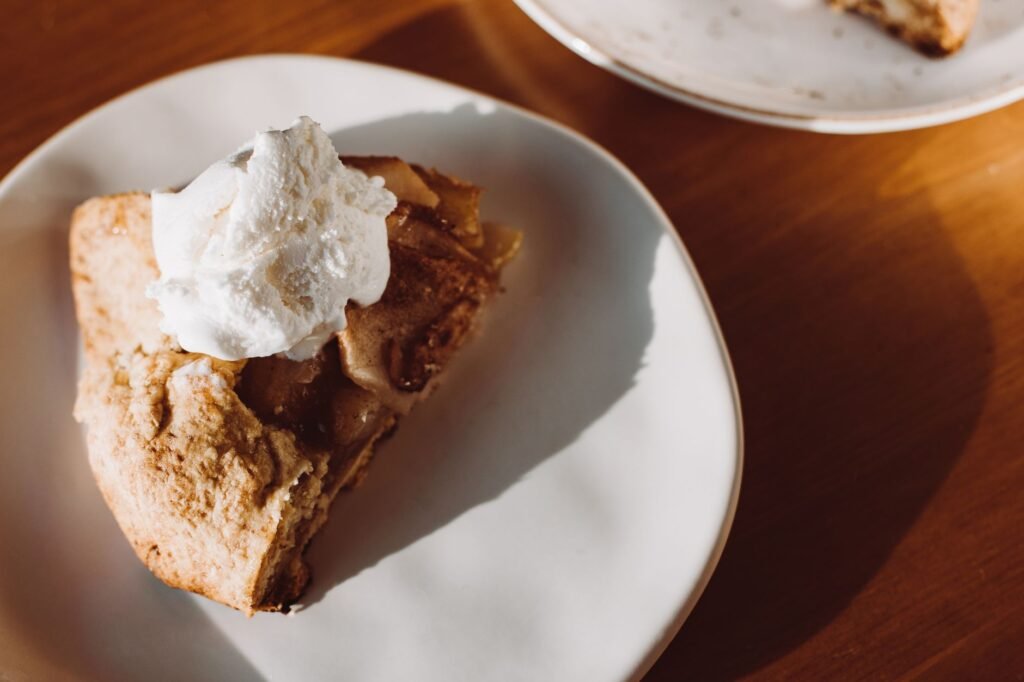
The answer is GLOB, four letters. BLOB fills the same slot and is just as common, so one crossing does all the work in a four square entry. If the slot is three squares instead, the field opens up again, because DAB, GOB, PAT and TAD have all answered this clue in published grids.
Four squares or three decides this one
Nothing inside the word dollop points at a particular synonym, so treat the length as the first filter and the crossings as the second. Here is the whole field:
| Letters | Answer | What it suggests |
|---|---|---|
| 3 | DAB | A small amount, applied rather than dropped |
| 3 | GOB | A lump, with a coarser feel to it |
| 3 | PAT | Butter, almost every time |
| 3 | TAD | A little bit, quantity rather than shape |
| 4 | GLOB | A rounded mass of something thick |
| 4 | BLOB | A shapeless mass, often spreading |
Six candidates across two lengths sounds worse than it is. GLOB and BLOB differ by a single letter, and the three letter group splits cleanly on its opening letter, so one confirmed square almost always closes the entry out.
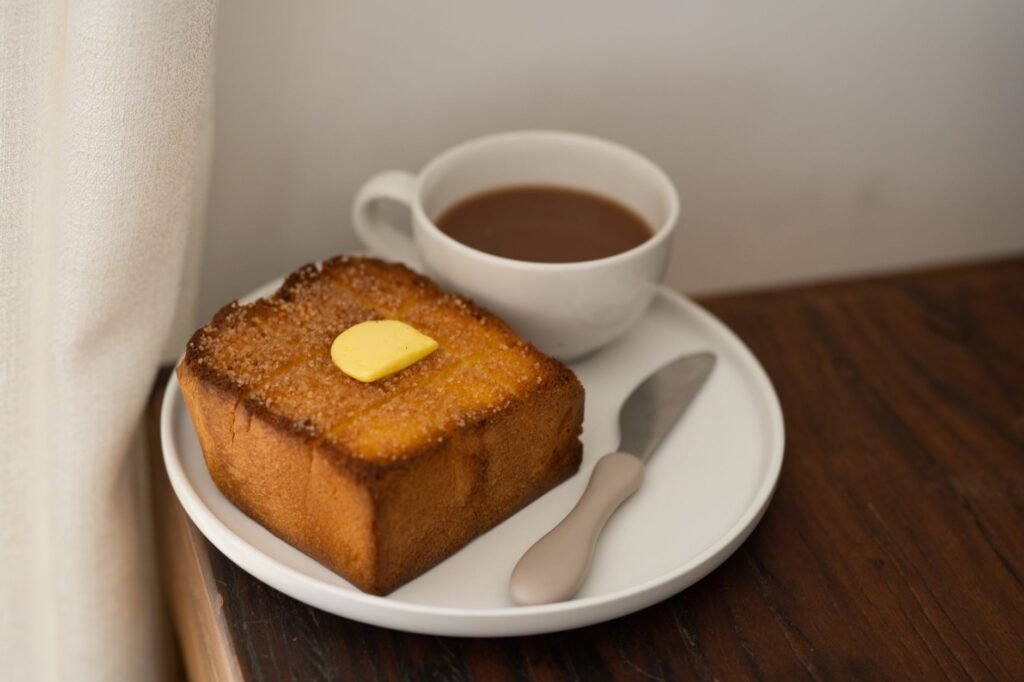
Glob and blob describe different shapes
A glob holds its form. It is thick enough to sit where it lands, which is why the word attaches to glue, paint, toothpaste and sour cream. A blob spreads. It has no edge anyone would call deliberate, and it carries a faint suggestion of mess, which is why a spill is a blob and a carefully spooned serving is not.
English keeps both because they do different work, and setters use the difference. Wording about something thick and heaped leans toward GLOB, while wording about a shapeless splash or an unidentified mass leans toward BLOB. It is not a rule worth betting the entry on, but it is a decent tiebreaker when you have no crossings yet.
The noun after of is the real clue
Most published versions of this clue are not the bare word. They read dollop of something, and that something narrows the answer far more than dollop does. Butter sends you to PAT, because a pat of butter is a shaped portion rather than a rough estimate. Paint, glue or mud send you toward GLOB or BLOB. Sour cream, ketchup and whipped cream can go either way and usually come down to the square count.
The reverse trick is worth watching too. When a clue attaches dollop to something that cannot physically be heaped, a dollop of luck or a dollop of charm, the answer is about quantity rather than shape, and TAD comes alive.
Dab, pat and tad each carry a size limit
All three mean small, and they are still not interchangeable. A dab is applied, usually with a finger or a brush, and it stays small by definition. A pat is a portion, the flat square of butter a restaurant sets beside the bread. A tad is the vaguest of the three and the only one that works on things you cannot see, which is why a person can be a tad annoyed but never a dab annoyed.
A dollop is bigger than any of them, and that is the quiet imprecision built into this clue. Setters accept it because crossword synonyms trade in the general neighborhood of a meaning rather than the exact measurement, and solvers accept it because the crossings settle the argument anyway.
Gob is the outlier of the group
GOB does the same job as GLOB but sounds rougher, and it drags two other senses along with it. In British and Irish English a gob is a mouth, as in shut your gob. The plural means a large quantity, as in gobs of money. Both senses are alive in American puzzles, so GOB can be clued three completely different ways.
That makes it a useful entry for a constructor and an occasionally irritating one for a solver. With three squares, a G in front and a clue that feels like it is talking about food, GOB is almost certainly right. If the surface sounds like slang about talking or about money, stop and work out whether the clue is even in the same family before you fill the squares.