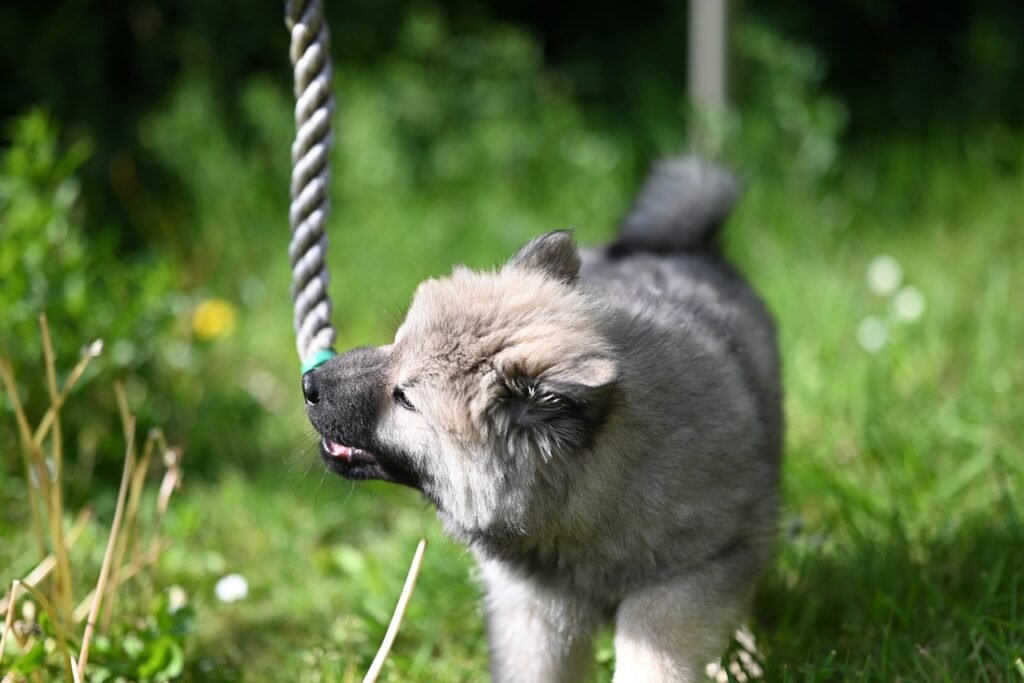
To stop a dog from chewing the wrong things, figure out why it’s chewing, put tempting items out of reach, give it chew toys it likes better, and interrupt and redirect it every time you catch it. Punishing after the fact doesn’t work, because dogs can’t connect a scolding to damage done earlier.
What the chewing is telling you
Chewing is normal dog behavior. The ASPCA explains that puppies chew to relieve teething pain and that older dogs chew to keep their jaws strong and their teeth clean, as well as to fight boredom and stress. The problem isn’t chewing itself; it’s what gets chewed.
The cause shapes the fix. A puppy’s intense chewing phase is tied to adult teeth coming in and usually ends by about six months of age, according to the ASPCA. Adult dogs that shred things mostly when left alone may be dealing with separation anxiety. A dog on a calorie restricted diet may chew in search of food. Bored dogs with too little exercise tend to find their own entertainment, and the couch cushion often wins.

Dog proofing the rooms your dog uses
Prevention is faster than training. Walk through the house at dog eye level. Shoes, socks, kids’ toys, remote controls and anything that smells like you go in closets, bins or up high. Electrical cords should be hidden or covered, since chewing them can be dangerous.
When you can’t supervise, limit the dog to a safe room, a gated area or a crate it’s comfortable in, stocked with its own chew toys. Freedom in the rest of the house grows as good habits build.
Give the dog a job before you leave it alone. A long walk or a game of fetch, followed by a food puzzle toy as you head out the door, uses up the energy that would otherwise go into the baseboards. Tired dogs mostly sleep.
Redirecting a dog caught mid chew
- Interrupt calmly with a sound or a word as soon as you see the dog chewing something off limits.
- Take the item away without a chase game, which can turn stealing into fun.
- Hand over an approved chew toy right away.
- Praise the dog warmly the moment it starts chewing the toy.
- Put the forbidden item out of reach so the same scene doesn’t repeat.
Consistency across the household decides how fast this works. Everyone needs to react the same way, every time. And don’t hand the dog an old shoe to chew, the ASPCA warns, because it can’t tell an old shoe from a new one.
Matching the fix to the reason
| Likely reason | What helps |
|---|---|
| Teething puppy | Several chew toys of different textures, close supervision, patience until adult teeth are in |
| Boredom | More walks and play, food puzzle toys, rotating toys so they stay interesting |
| Habit of one favorite target | A taste deterrent on that item plus an appealing alternative nearby |
| Chewing only when alone | Talk to a vet or behavior professional about separation anxiety |
| Hunger on a diet | Ask your vet whether the feeding plan fits the dog’s needs |
Test any taste deterrent on a hidden spot of furniture first, and choose chew toys sized so they can’t be swallowed whole. Replace toys once they break into pieces.
Chewing that calls for a vet or behaviorist
Sometimes a dog chews because something is wrong, not out of habit. See your veterinarian if an adult dog suddenly starts chewing when it never did, if it swallows non food items, or if chewing comes with drooling, pawing at the mouth or appetite changes. Dental pain and other medical problems can show up this way.
For chewing that happens mainly when the dog is alone and comes with other signs of distress, ask your vet about separation anxiety and a referral to a behavior professional. The ASPCA specifically recommends a veterinary behaviorist or certified animal behaviorist for dogs that compulsively suck or chew fabric. Anxiety driven chewing rarely fades with toys alone, and the right help can make both of you calmer.
Frequently asked questions
At what age do puppies stop chewing everything?
The ASPCA says the intense chewing phase tied to adult teeth coming in usually ends by about six months of age. Dogs keep chewing for life, though, for jaw strength, dental health and entertainment. The goal is teaching them which items are theirs, not stopping chewing altogether.
Should I punish my dog for chewing something while I was out?
No. Dogs can't link a scolding to damage done earlier, so punishment after the fact only confuses or frightens them. Prevent access to tempting items while you're away, leave appropriate chew toys, and focus on interrupting and redirecting when you catch chewing as it happens.
Do bitter sprays really stop dogs from chewing?
Taste deterrents help some dogs, especially with one favorite target like a chair leg. They work best alongside supervision and good chew toys, not as a standalone fix. Test the spray on a hidden spot first so it doesn't stain or damage the finish of your furniture.