
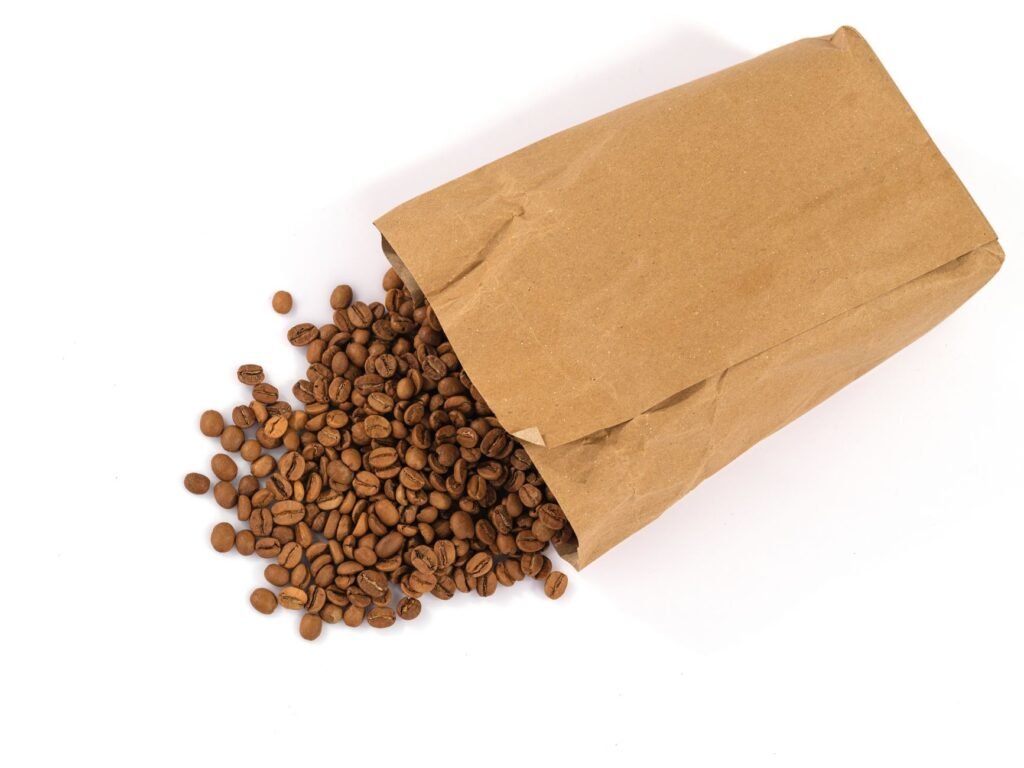
Keep whole beans in an opaque, airtight canister at normal room temperature, somewhere away from the stove and off the windowsill. Buy amounts you will finish within a few weeks of the roast date, and leave the refrigerator out of it entirely. Freezing is worth doing only in sealed single-use portions.
Four Things Wreck Coffee, and You Control All of Them
Roasted coffee starts losing aroma the moment it leaves the roaster, and four forces drive that loss. Oxygen reacts with the oils that carry most of the flavor, turning them stale and eventually rancid. Light, especially direct sun, speeds those same reactions. Moisture pulls soluble compounds toward the surface of the bean and invites staling and, in bad cases, mold. Heat accelerates everything at once.
An opaque sealed canister on a shelf away from the oven handles all four with no effort. Attractive clear glass jars on an open counter fail the light test and often the heat test too, which is worth knowing before you buy one.
The Valve on the Bag Is Not Decoration
Freshly roasted beans release carbon dioxide for days after roasting, which is why good coffee bags have a small one-way valve. It lets that gas out without letting oxygen in. Transferring beans into a fully sealed jar in the first day or two after roasting traps the gas, and in a rigid container it can build noticeable pressure.
Two easy solutions exist. Keep the beans in their original valved bag, roll the top down tightly, and clip it. Or use a canister designed for coffee with a valve or a vacuum seal built into the lid. Either way, keep the amount of empty air space small, because a half empty container is mostly oxygen.
What Each Storage Choice Protects Against
| Method | Guards against | Weak point |
|---|---|---|
| Opaque airtight canister, room temperature | Light, air, humidity swings | Needs to be refilled from a sealed source |
| Original valved bag, rolled and clipped | Light, escaping gas buildup | Seal weakens as the bag empties |
| Clear jar on the counter | Air only | Light and kitchen heat |
| Refrigerator | Nothing useful | Condensation and absorbed odors |
| Freezer, single-dose sealed portions | Nearly all staling | Ruined by repeated thawing and refreezing |
Habits That Quietly Flatten Your Cup
Grinding a week of coffee in advance is the most common, and it costs more aroma than any storage container can give back. Ground coffee has enormous surface area, and the volatile compounds that make coffee smell like coffee leave quickly.
Buying the biggest bag on the shelf is the second. Coffee is cheapest per pound in bulk and worst in flavor by the bottom of the bag, so smaller and more frequent wins. Storing the canister in the cabinet directly above the stove or the coffee maker puts it in a heat plume several times a day. Leaving the original bag open with the top folded rather than clipped lets air trade freely. And pulling a bag out of the freezer to scoop a few days of beans, then putting it back, subjects the whole supply to a condensation cycle every single time.
Telling When Beans Have Given Up
Smell the beans directly from the container. Fresh coffee smells sweet, fruity, nutty, or chocolatey depending on the roast. Old coffee smells faint, dusty, or like cardboard, and beans that have truly gone rancid have a sharp, oily, crayon-like edge.
Watch the bloom when you brew. Fresh grounds puff up and bubble when hot water first hits them because trapped carbon dioxide is escaping. Grounds that sit flat and still are past their best, even if the bag is not old. Dark roasts look oily on the surface naturally, so a sheen is not by itself a warning, but oil that has gone dull and sticky on the bean and inside the container is. None of this is a safety issue. It is a flavor one, and stale coffee is simply a disappointing cup rather than a risky one.