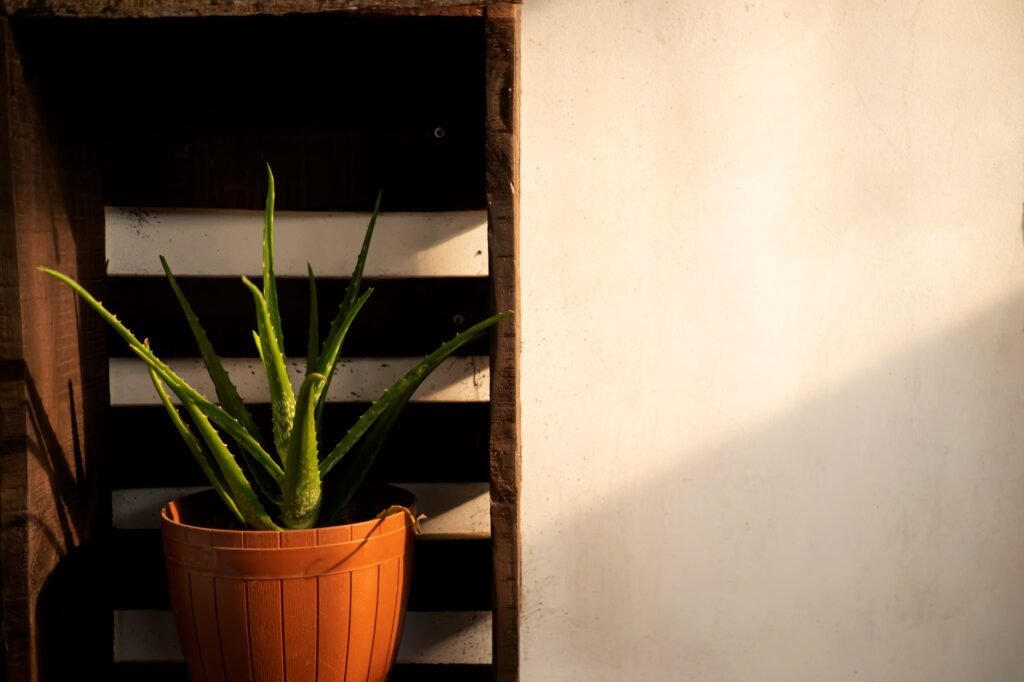
The answer is ALOE, four letters. It is the default fill for this clue in American puzzles and the one to try before anything else. At other lengths the field opens up: RUE takes three, SENNA takes five, ARNICA takes six, GINSENG takes seven. Count the squares, then read the wording for a hint about which part of the plant is doing the healing.
Why one succulent dominates the four letter slot
ALOE is a constructor’s dream entry. Four letters, three of them vowels, and the one consonant is an L, which crosses almost anything. Grids need entries like that to hold difficult corners together, so ALOE appears far more often than its place in actual medicine would justify.
It also has an unusually wide clue range. Editors can reach it through burn soother, lotion ingredient, succulent, houseplant, spiky plant or medicinal plant, and every one of those routes lands on the same quartet of squares. Given two crossings in a four letter entry, with a vowel among them, ALOE is worth penciling in straight away.
Three layers inside a single aloe leaf
Cut a leaf across and you get three distinct things. The outer rind is tough and green. Directly beneath it sits a thin layer of bitter yellow latex. The center is the clear gel that goes into the drugstore bottles, and it is mostly water.
The layers matter because they behave differently. The clear inner gel is what people spread on sunburn. The bitter yellow latex is a completely different substance with a strong laxative effect, which is why commercial gel is processed to remove it rather than simply scraped out and jarred. A clue about soothing a burn is pointing at the middle of the leaf, not the whole plant.
The pharmacy the grid keeps returning to
Several plants earn their crossword place because a real drug came out of them, and constructors like the fact because it makes a clue that teaches something.
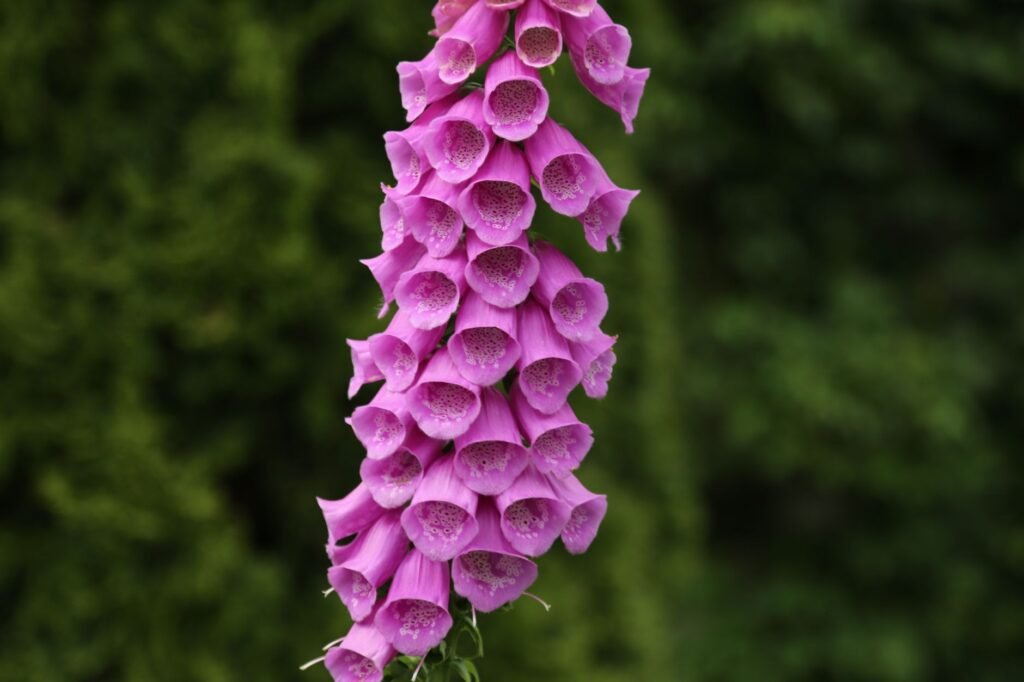
FOXGLOVE, eight letters, is the source of digitalis, the heart medicine, and the same compounds make the plant genuinely dangerous to eat. WILLOW, six letters, carries salicin in its bark, which sits behind the chemistry of aspirin. CINCHONA, eight letters, is the South American bark that yields quinine, the first effective treatment for malaria and the reason tonic water tastes the way it does. Each of those is a fact a clue can hang on, so when the wording mentions a specific ailment rather than healing in general, think about which plant produced which drug.
From three squares to nine
| Letters | Answer | What it is used for |
|---|---|---|
| 3 | RUE | Old herbal remedy, also a verb clue |
| 4 | ALOE | Burns and skin, the default fill |
| 5 | SENNA | Laxative made from pods and leaves |
| 6 | ARNICA | Bruises and sprains, applied to skin |
| 6 | WILLOW | Bark containing salicin |
| 7 | GINSENG | Root sold as a tonic |
| 7 | COMFREY | Traditional poultice plant |
| 8 | FOXGLOVE | Source of digitalis |
| 9 | ECHINACEA | Coneflower, sold for colds |
When the clue wants a spice rack instead
A separate family of plants answers to healing wording without belonging on this list. Culinary herbs were medicine long before they were seasoning, so a clue can legitimately describe one as medicinal, and several of them fit the same short slots. That is a different question with a different answer set, and we handle those under the pungent herb clue rather than duplicating them here.
The practical split is in the wording. If the clue mentions flavor, cooking, seasoning, a pungent smell or an Italian kitchen, you are in herb territory and should be counting toward the five and six letter kitchen names. If it mentions skin, burns, bruises, tonics, bark or a remedy, you are in the list above and ALOE is your first guess at four letters. When both readings survive the wording, let the crossings referee, since the two groups share almost no letters in common positions.