

Occasional toddler snoring, especially with a cold, is very common. Snoring most nights over months is the version doctors want to know about. These are the years when tonsils and adenoids are relatively large and colds are frequent, so the airway has less room than it will later.
Why this age group snores more
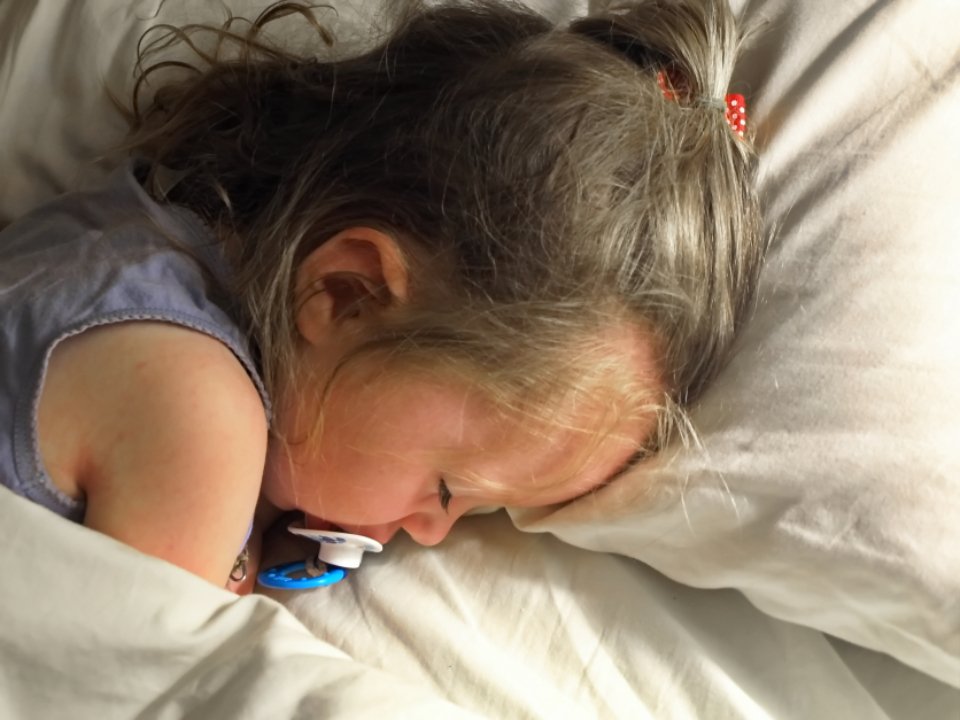
Tonsils and adenoids sit right in the path of air moving from the nose and mouth into the throat. In the toddler and preschool years they are proportionally at their largest relative to the airway around them, which leaves less clearance than in an older child. Add the frequency of colds once a child is in daycare or around other children, and noisy nights become routine.
Most of this settles. The airway grows, the tissue becomes proportionally smaller, and snoring that was constant at three can be gone by school age. Which is why the question is rarely does it happen and usually how often and for how long.
What doctors tend to ask
- How many nights a week, and for how many months.
- Whether your child breathes through the mouth while asleep, and while awake.
- Whether anyone has seen pauses in breathing, gasping, or choking sounds.
- How your child behaves during the day, including sleepiness, hyperactivity, or trouble settling.
- Whether the snoring came with a cold and then stayed.
Having answers ready turns a vague appointment into a useful one. A two week tally and a short video cover most of it.
Daytime behavior is the part parents most often leave out, and doctors ask about it for a reason. A toddler who is not sleeping well rarely acts sleepy the way an adult would. Being wired, clingy, hard to settle, or melting down more than usual is a far more common description than yawning on the sofa, so mention behavior changes even when they seem to have nothing to do with snoring.
What is worth mentioning versus watching
| Watch it | Mention it to a doctor |
|---|---|
| Snores for a few nights with a cold | Snores most nights for months |
| Soft, occasional noise | Loud enough to hear through a closed door |
| Breathes through the nose when well | Mouth open most nights |
| Wakes rested and cheerful | Very hard to wake, or exhausted all day |
| No pauses noticed | Any pause, gasp, or choking sound |
What not to do about it at home
Snoring in young children is not something to manage with over the counter products or improvised positioning. Nothing should go into a toddler’s nose, including saline, without your doctor saying so, and sedating medicine is never a tool for quieting a snoring child.
Contact a doctor promptly, rather than waiting for a routine appointment, if your child struggles to breathe, has long pauses, or looks pale or blue around the lips. For everything else, track it for a couple of weeks and bring the notes.