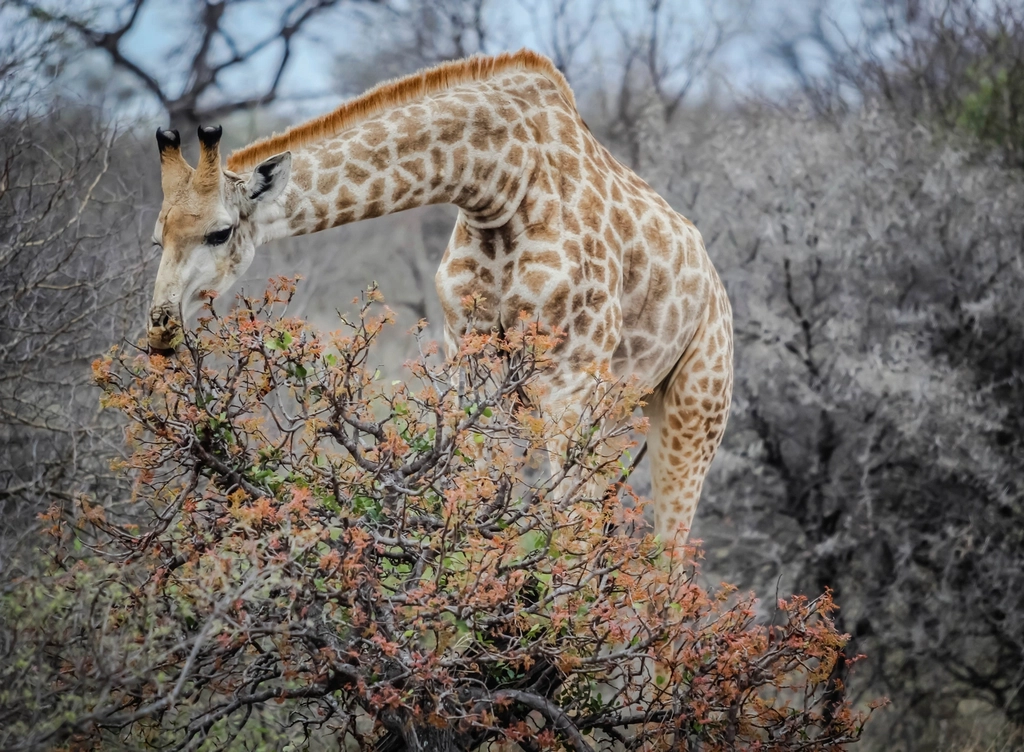
Most zoos in the United States are open on Labor Day, and many treat it as one of the highest attendance days of the year. Zoos are independent institutions rather than a chain, so there is no national answer. Check the specific zoo, and check whether its summer hours end the same week.
Why there is no single answer for zoos
A zoo may be run by a city parks department, a nonprofit society, a university, or a private operator. Each sets its own calendar, its own ticketing and its own seasonal hours. Two zoos ninety minutes apart can run completely different schedules on the same holiday.
What they share is that the animals need care every day, so the staff is on site regardless. The visitor side is a separate decision, and for a holiday that falls at the end of the school break the decision is almost always to open.
Three steps to check before you drive
- Open the zoo’s own website and look for a hours or plan your visit page. Municipal zoos sometimes post holiday notices on the city parks page instead, so check there if the zoo site is thin.
- Look at the zoo’s social accounts for the last few days. Weather closures, capacity notices and parking changes get posted there faster than they get edited into a website.
- Check whether tickets are timed. If they are, buy before you leave, because a sold out time slot is the most common way a Labor Day zoo trip falls apart.
Last admission is not the closing time
This trips up more visitors than holiday hours ever do. Many zoos stop selling tickets and stop admitting guests an hour or more before the posted closing time, and individual buildings such as aquariums, reptile houses and indoor primate exhibits often close earlier than the grounds. Arriving forty minutes before close can mean paying full price for a walk to the gift shop.
Feeding demonstrations, keeper talks and any train, carousel or gondola ride also run on published times that shrink on shoulder season days. If your visit is built around one of those, confirm it separately from the gate hours.
The schedule change that follows the holiday
Labor Day is the most common switch point in the year for seasonal attractions. The week after, a zoo that has been open into the evening may pull the close back to late afternoon, close a water play area for the season, or drop weekday extras entirely. Seasonal staff going back to school drives much of it, the same force that shuts municipal pools.
So if you are planning a visit for the week after the holiday rather than the holiday itself, look up the fall schedule specifically. Plan for heat as well. Early September afternoons are often hotter than the date suggests, animals are less active in the heat, and the shaded indoor exhibits are where every other visitor will also be standing.