Photo: stocksnap · CC0
Three things ruin items in a kitchen: heat, light and humidity. Anything sensitive to those belongs somewhere else, which covers cooking oils near the stove, spices above the range, medicines in any kitchen cupboard, and several foods people habitually put in the refrigerator.
Foods in the wrong spot
| Item | Common mistake | Better place |
|---|---|---|
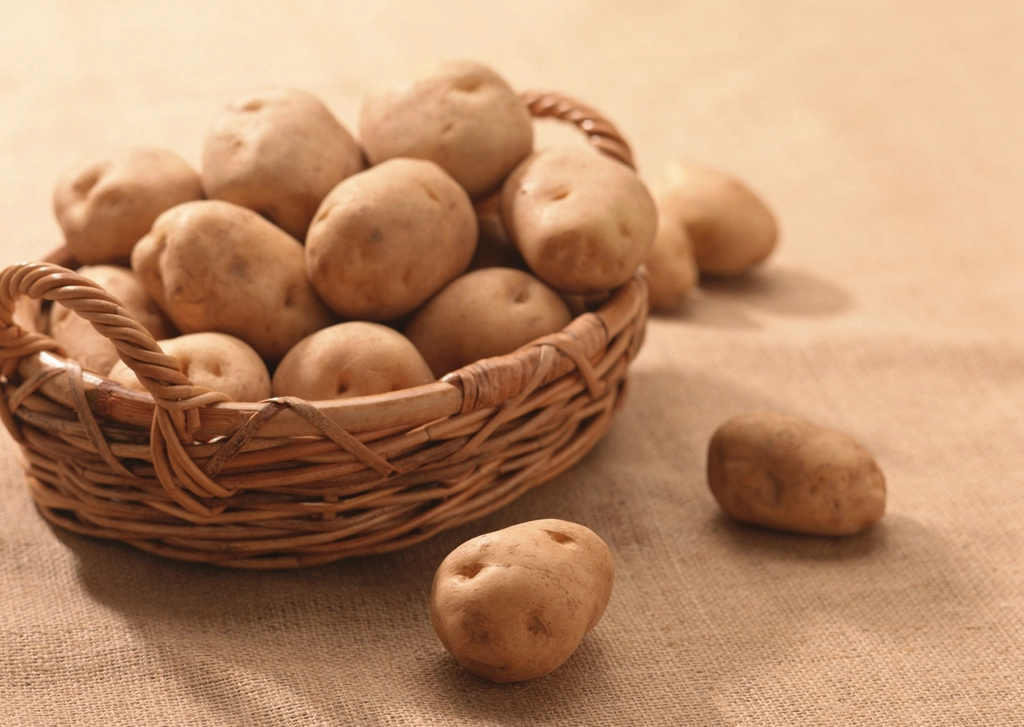
| Potatoes and onions | One bin together | Separate containers, cool, dark, airy |
| Tomatoes | Refrigerator | Counter, out of direct sun |
| Bread | Refrigerator | Bread box now, freezer for the rest |
| Cooking oils | Beside the stove | Cupboard away from heat and light |
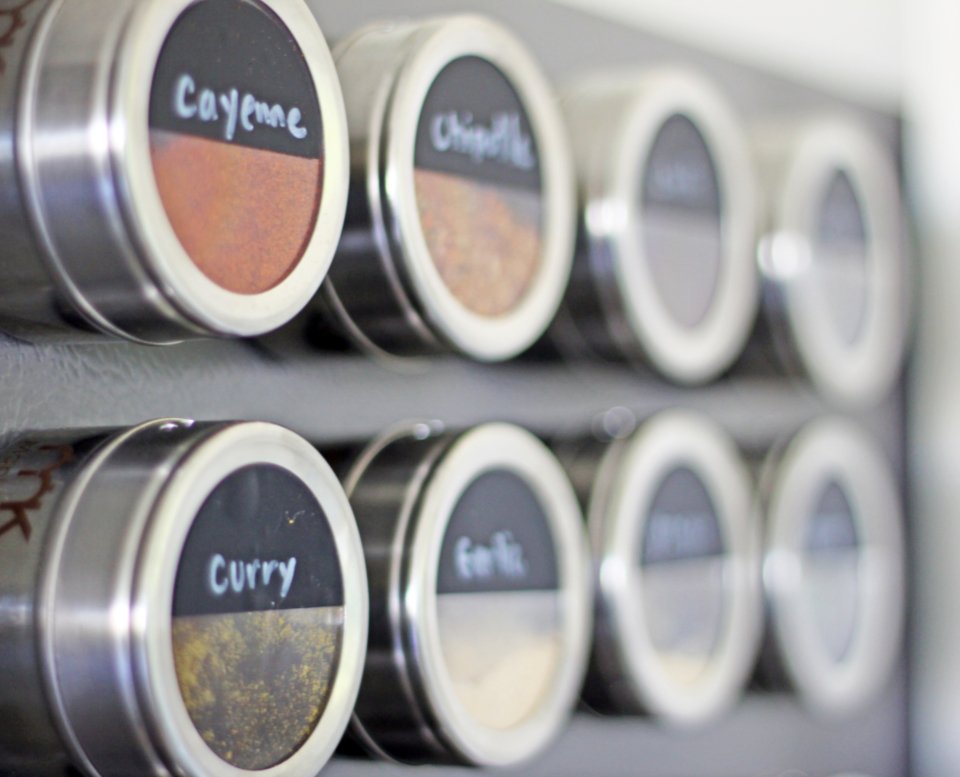
| Spices | Rack above the range | Closed drawer or dark cupboard |
| Coffee beans | Refrigerator | Airtight, room temperature, dark |
| Honey | Refrigerator | Cupboard, since cold speeds crystallizing |
| Bananas | In the fruit bowl with everything | On their own, since they ripen neighbors |
The one real food safety item
Homemade garlic in oil is the exception worth taking seriously rather than treating as a preference. Garlic stored in oil at room temperature creates the low oxygen conditions that food safety agencies warn about, which is why their guidance is to refrigerate it and use it within a few days, or freeze it. Commercially produced versions are acidified to prevent that, so this applies to the jar you made yourself, not the one from the shelf. If you are unsure which you have, the label will say.
Things that are not food at all
- Medicines. Kitchens swing between hot and humid, which is exactly what degrades tablets. A bedroom drawer or a closet shelf is more stable, and a bathroom cabinet is no better than a kitchen.
- Paint, solvents and pesticides. Under the sink is convenient and wrong. Store them in a garage or shed, away from food and away from where children reach.
- Batteries. Heat shortens their life, and a warm drawer next to the oven is a bad home for them.
- Plastic containers and wraps. Not a hazard, but heat warps lids and ruins seals over time, so keep them away from the range.
- Fire extinguisher. This one surprises people. It should be near the exit route rather than mounted beside the stove, because a fire at the stove is exactly what blocks you from reaching it.
The pantry rules that prevent most waste
Keep dry goods in airtight containers rather than opened packets, because moisture and pantry pests both enter through folded over corners. Store the things you use daily at eye level and the rest above and below, which keeps older stock from disappearing behind newer stock. Label anything decanted out of its original packaging with what it is and when it went in, since identical white powders in identical jars is a problem every cook eventually meets.
A quick audit worth doing once
Open the cupboard directly above or beside your stove and look at what is in it. In most kitchens it is the spices, the oils, or both, purely because that is where they are convenient to reach while cooking. Moving those two categories a few feet away is the single highest value change in this entire list, and it costs nothing but ten minutes.