
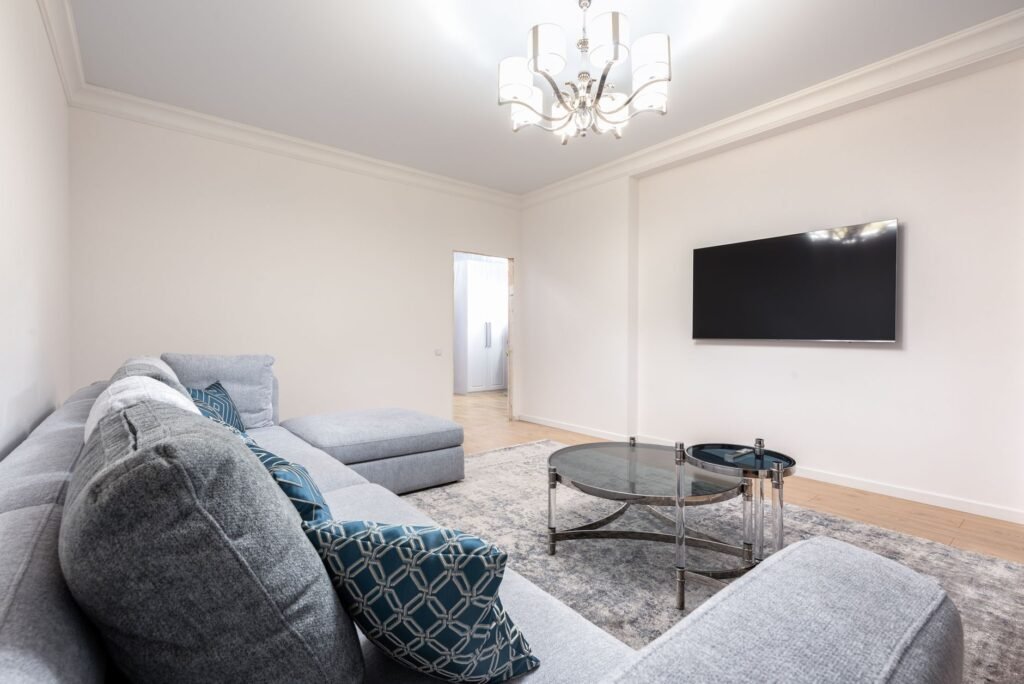
The recurring targets are matched furniture suites, undersized area rugs, a single overhead light, word art, and coordinated decor packs. None of that is about taste. Each one breaks a principle of scale, lighting, material honesty or layering, and the principle is the useful part.
The four principles underneath every judgment
- Scale. Most rooms fail on size before they fail on style. Rugs too small, art too small, side tables too low, curtains too short.
- Layered light. A room needs several light sources at different heights, not one bright one in the ceiling.
- Material honesty. Materials pretending to be other materials rarely age well. Real wood, real stone, real metal and honest laminate all beat printed imitation.
- Assembled, not bought. Rooms that look good almost never came from one catalog page in one afternoon.
The specific purchases, and what to do instead
| Common buy | Why it goes wrong | Better move |
|---|---|---|
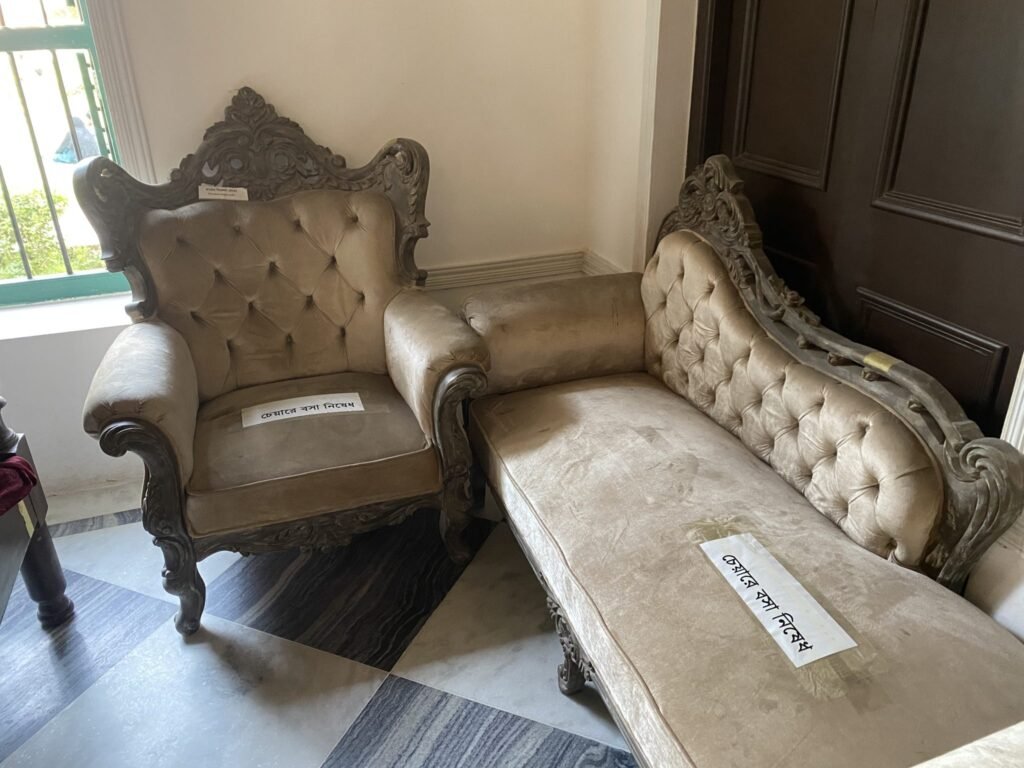
| Matched bedroom or living set | One tone, one scale, no contrast | Keep the main piece, source the rest separately |
| Small area rug | Shrinks the room and floats the furniture | Size up so front legs sit on it |
| Only a ceiling fixture | Flat light, harsh shadows | Add two or three lamps at lower heights |
| Word art and quote decals | Reads as filler and dates quickly | One larger piece of real art or a framed print |
| Coordinated pillow sets | Everything matches, nothing stands out | Vary size, texture and one accent color |
| Short curtains | Cuts the wall and lowers the ceiling visually | Hang high, let panels reach the floor |
| Bathroom rug and lid cover sets | Hard to clean, dates the room | One washable mat, nothing on the toilet |
The things people think are on the list but are not
Plenty of budget choices are entirely fine. Flat pack furniture used as a base, secondhand pieces, faux plants of decent quality in rooms with no light, and inexpensive art all appear in professionally designed rooms constantly. The distinction is never price. It is whether the piece is the right size, whether it is doing a job, and whether it is pretending to be something it is not.
Where to put the money instead
- The rug. It sets the size of the whole seating arrangement, so getting it wrong is expensive to live with.
- Seating you touch daily. A sofa frame and cushion fill are the parts that decide whether it still looks right in five years.
- Lighting. Lamps are the cheapest single change that alters how a room feels at night.
- Window treatments. Full length panels hung near the ceiling change the perceived height of the room more than paint does.
The test to run before buying anything
Ask what job the object does. Sitting, holding light, storing something, covering a floor, or being genuinely nice to look at all count. If the honest answer is that it fills an empty spot, the room usually looks better with the spot left empty until you find something that earns it. Empty space is a legitimate design choice, and it costs nothing.