
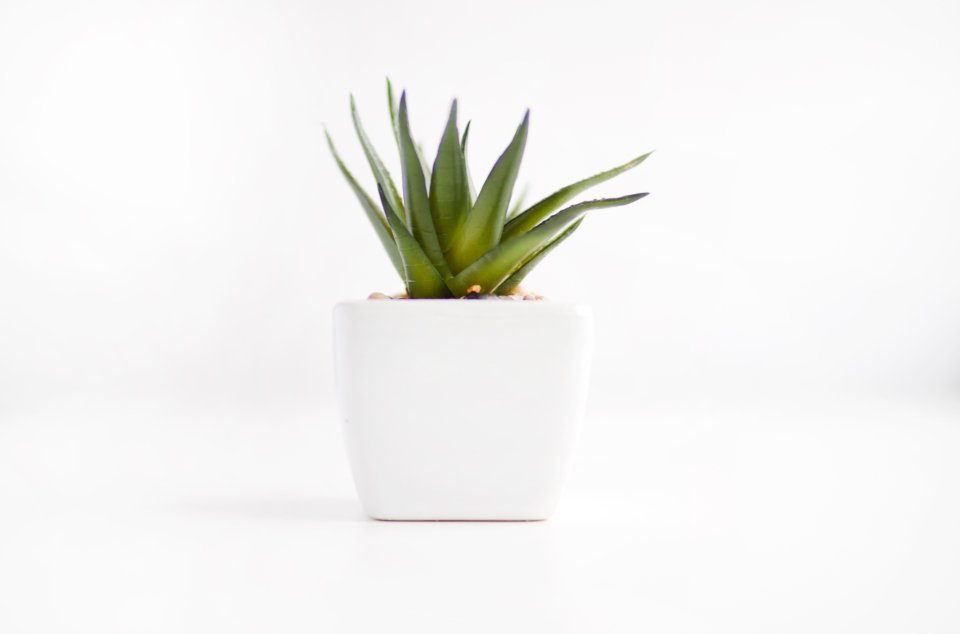
Push a finger into the soil up to the second knuckle. If it comes out dry, water slowly until liquid runs from the drainage hole, then tip out whatever collects in the saucer. Almost every houseplant problem traces back to watering on a schedule instead of watering on a test.
Test the soil before every single watering
Two knuckles deep, roughly two inches, is the standard check. Surface soil dries first and lies to you. What matters is the moisture around the root ball.
Other checks that work when your finger cannot reach:
- Lift the pot. Learn its weight right after watering and again when the plant is thirsty. The difference is obvious once you have felt it twice, and it works for large pots where fingers do not help.
- Push a wooden chopstick or skewer to the bottom. Pull it out and look. Dark and clinging soil means wet, clean and pale means dry.
- Look at the drainage hole. Soil visible there that looks dark and damp means the bottom of the pot is still holding water even if the top feels dry.
Moisture meters exist and are inconsistent between soil types. A finger or a stick costs nothing and is more reliable.
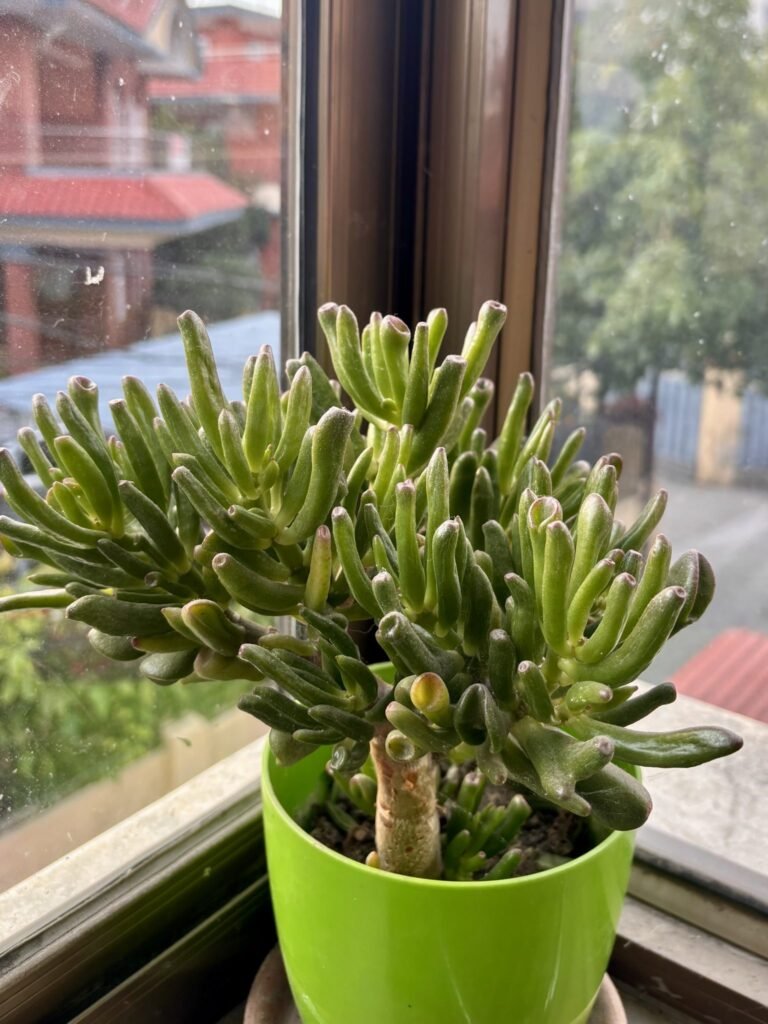
Different plants want different things
| Plant group | When to water | Common mistake |
|---|---|---|
| Cacti and succulents | Soil bone dry throughout | Small frequent sips |
| Snake plant, ZZ plant | Soil dry most of the way down | Weekly watering |
| Pothos, philodendron, monstera | Top two inches dry | Waiting for a full droop |
| Ferns, calathea, peace lily | Top surface barely dry | Letting the pot dry out |
| Orchids in bark | Bark dry, roots turning silver | Watering into the crown |
Winter changes all of it. Less light means slower growth means less water, so a plant on a every two weeks summer rhythm may go a month in January.
Drainage decides whether watering works
A pot without a hole in the bottom cannot be watered correctly. Water gathers at the base, roots sit in it, and they rot regardless of how carefully you measure. A layer of gravel at the bottom does not fix this. It raises the saturated zone rather than draining it.
Two workable options. Drill a hole, or use the decorative pot as a cachepot: keep the plant in its plastic nursery pot, lift it out to water at the sink, let it drain for ten minutes, then set it back inside.
How to actually deliver the water
- Use room temperature water. Cold water straight from the tap can shock tropical roots. Fill a jug and let it sit out.
- Pour slowly around the whole surface, not in one spot. A fast pour channels down the side of the root ball and leaves the center dry.
- Keep going until it drains. Roughly a fifth of the pot volume is a reasonable target. A partial watering only wets the top and trains roots to stay shallow.
- Empty the saucer after fifteen minutes. This is the step people skip, and it is where root rot begins.
- If the water runs straight through, the soil has shrunk from the sides. Set the whole pot in a basin of water for twenty minutes so the soil can rehydrate from below.
Plants that stay soggy for weeks after a normal watering usually need repotting into fresh mix rather than a change in routine.