Photo: rawpixel · CC0
Yes, cats snore, and the mechanics are much the same as in people. Relaxed tissue in the nose or the back of the mouth vibrates as air passes over it. The harder part for owners is telling snoring apart from purring, congested snuffling, and the handful of noises that mean call the vet.
What is vibrating when a cat snores
A cat’s nasal passages are narrow and elaborately folded, and the soft palate at the back of the mouth is a flap of loose tissue. Once a cat drops into properly relaxed sleep, that tissue loses tone and flutters slightly in the airflow. It is a small animal making a small sound, so cat snoring is usually softer and higher than a dog’s.
It also tends to be intermittent. Cats change position constantly, and a cat who is rattling on its side often goes silent the moment it rearranges itself.
Volume tells you less than you would expect with cats. A very small animal in a very quiet room can sound dramatic, and owners regularly describe being woken by a cat that weighs less than a bag of flour. What matters more is whether the sound is rhythmic and tied to breathing in, whether it stops the moment the cat wakes, and whether it has been part of your cat’s repertoire for years or turned up last month.
Telling the sounds apart
| Sound | When it happens | What it means |
|---|---|---|
| Purring | Awake or dozing | Normal, steady both directions |
| Snoring | Asleep only | Usually normal, tied to breathing in |
| Snuffling or stuffy breathing | Awake and asleep | Congestion, mention to a vet if it lasts |
| Wheezing | Often awake | Contact a vet |
| Open mouth breathing | Awake | Contact a vet promptly |
Which cats do it most
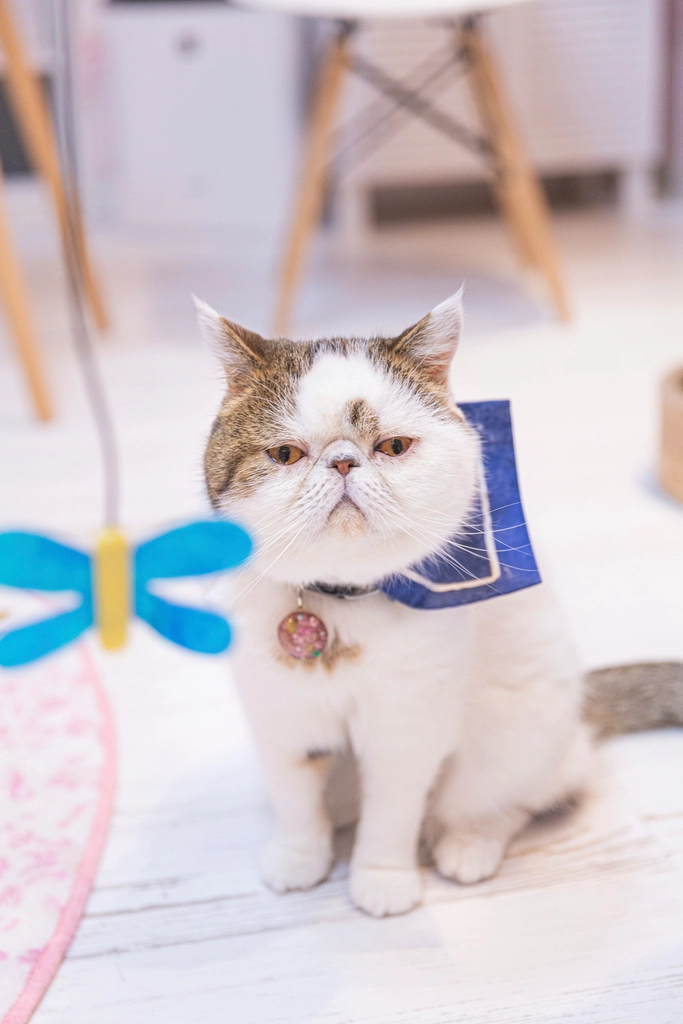
- Flat faced breeds. Persians, Exotic Shorthairs and Himalayans have less nasal room to start with.
- Heavier cats. Tissue around the throat crowds the airway when they lie down.
- Older cats. Muscle tone drops with age, and slack tissue vibrates more easily.
- Deep sleepers in awkward positions. Any cat folded so its chin presses into its chest can rattle.
A young, slim, long nosed cat that suddenly starts snoring nightly is the combination least explained by anatomy, which is exactly why it deserves attention.
When snoring is not the right word for it
Contact your vet if the noise happens while your cat is awake, if breathing looks like effort with the chest or belly working hard, if there is discharge from the nose or eyes, or if your cat is off its food. Open mouth breathing in a cat that has not just been running around is treated as urgent, not as a snoring question.
Snoring itself, in a cat that is otherwise bright, eating, and breathing quietly when awake, is usually nothing more than a noisy sleeper.