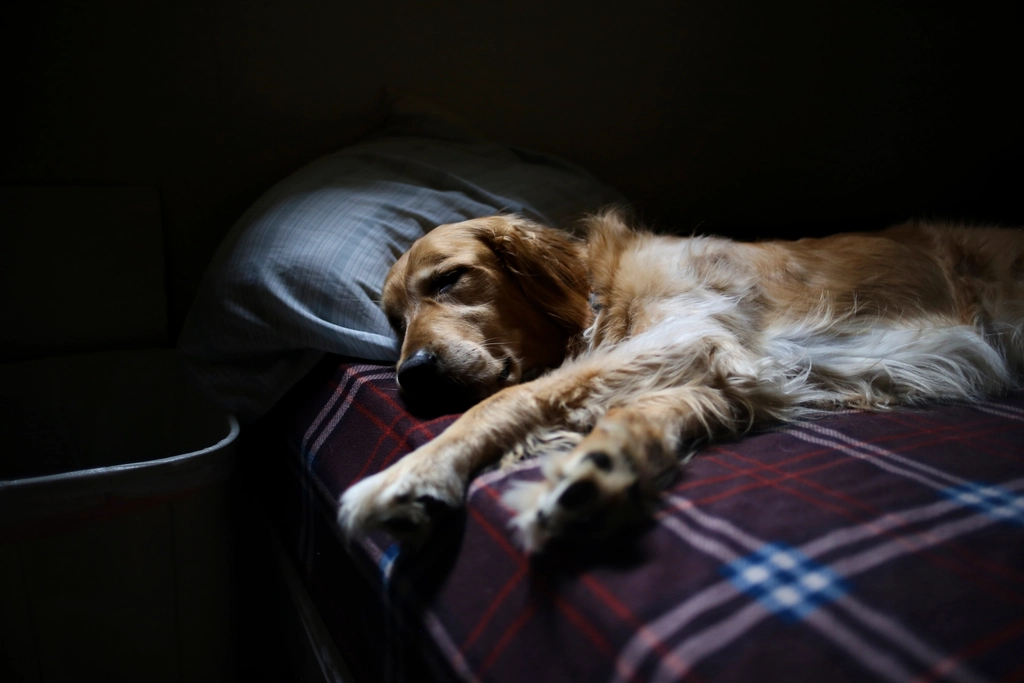
A sleeping dog’s throat muscles relax, the soft palate and surrounding tissue sag into the airway, and air passing through sets them vibrating. Breed shape decides how much room there was to begin with, and weight, allergies, age and sleeping position adjust it from there.
Why short faced breeds snore most
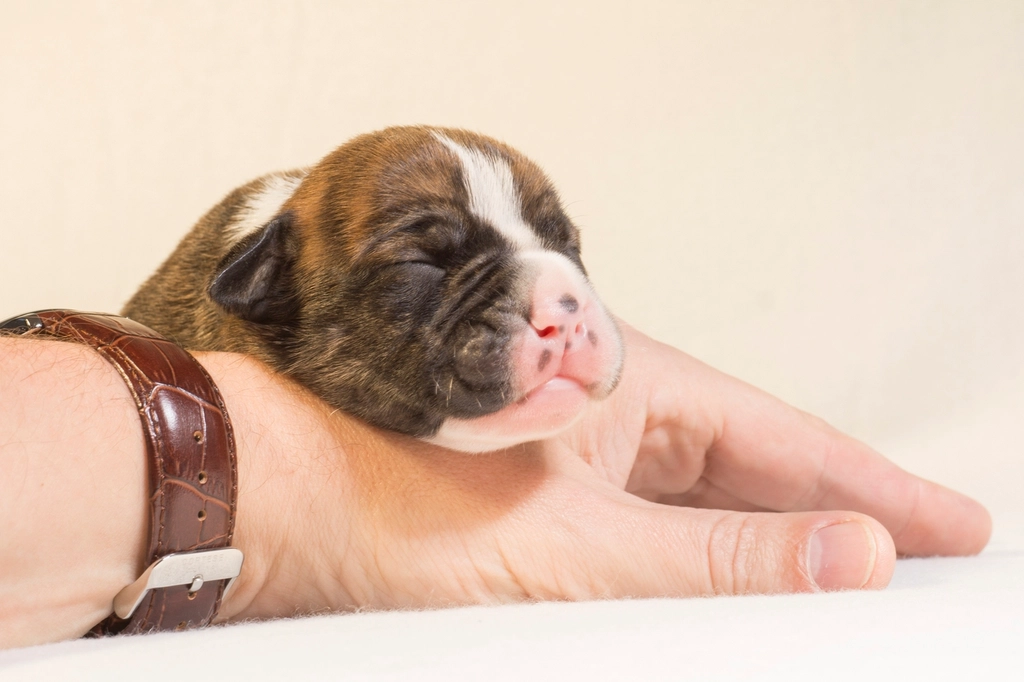
Bulldogs, pugs, boxers, Boston terriers, shih tzus and French bulldogs share a skull bred much shorter at the front. The soft tissue inside did not shrink to match, so the soft palate is long for the space available, the nostrils are often narrow, and the whole airway is crowded. Many of these dogs breathe audibly awake and snore heavily asleep.
That is worth taking seriously rather than treating as a charming breed quirk. Vets pay close attention to breathing in short faced breeds, and anything that looks like effort, especially in heat or after exercise, is a reason to call.
What else changes the noise
- Weight. Tissue around the neck presses on the airway, and a heavier chest works harder lying down.
- Allergies and irritants. Pollen, dust, smoke, and strong cleaning products swell the nasal lining.
- Age. Older dogs lose muscle tone, so tissue that used to stay put starts to flutter.
- Position. Back sleeping with the head tipped is the classic loud arrangement.
- Congestion from a cold spell or a dry house. Same mechanism, temporary.
These stack rather than compete. An older, slightly overweight pug sleeping on his back in a dusty house during pollen season has five separate things narrowing the same airway, which is why owners often find that fixing one changes the noise less than they hoped. The factors you can act on are weight, dust, and where your dog sleeps. The one you cannot is the shape of his skull, and knowing which category you are in saves a lot of trial and error.
Sorting a habit from a change
| Pattern | Reading |
|---|---|
| Lifelong snoring in a flat faced breed | Expected, still mention it at checkups |
| Snores only on his back | Positional, easy to test |
| Louder in spring or after cleaning day | Possible irritant, mention to a vet |
| New snoring in a long nosed dog | Book a vet visit |
| Snoring plus coughing, gagging, or exercise intolerance | Call the vet |
When to call the vet
Make an appointment if snoring is new and persistent, if it has grown noticeably louder over weeks, or if it comes with sneezing, nasal discharge, coughing, or a change in your dog’s bark. Get in touch promptly rather than waiting if your dog struggles to breathe, tires quickly on walks, has blue or gray gums, or makes harsh noise while awake.
Bring a phone video. Vets can hear a great deal in ten seconds of audio that no description conveys, including where in the breath the noise falls.