Photo: wordpress · CC0
Christian traditions have practiced their own forms of meditation for close to two thousand years, and the Bible instructs believers to meditate directly. The disagreement is not about whether Christians may meditate. It is about which techniques count, and whether methods borrowed from other religions carry their theology with them.
What the biblical word actually points to
Two Hebrew verbs sit behind most English uses of meditate in the Old Testament. One, hagah, is used elsewhere for a lion growling over prey and for muttering under the breath. The other, siach, carries the sense of rehearsing or turning something over in speech. Both describe a mind chewing on specific content rather than clearing itself.
That is the crux of the difference many pastors draw. In the texts, meditation has an object: the law, the works of God, the promises, the scriptures. It is described as filling rather than emptying.
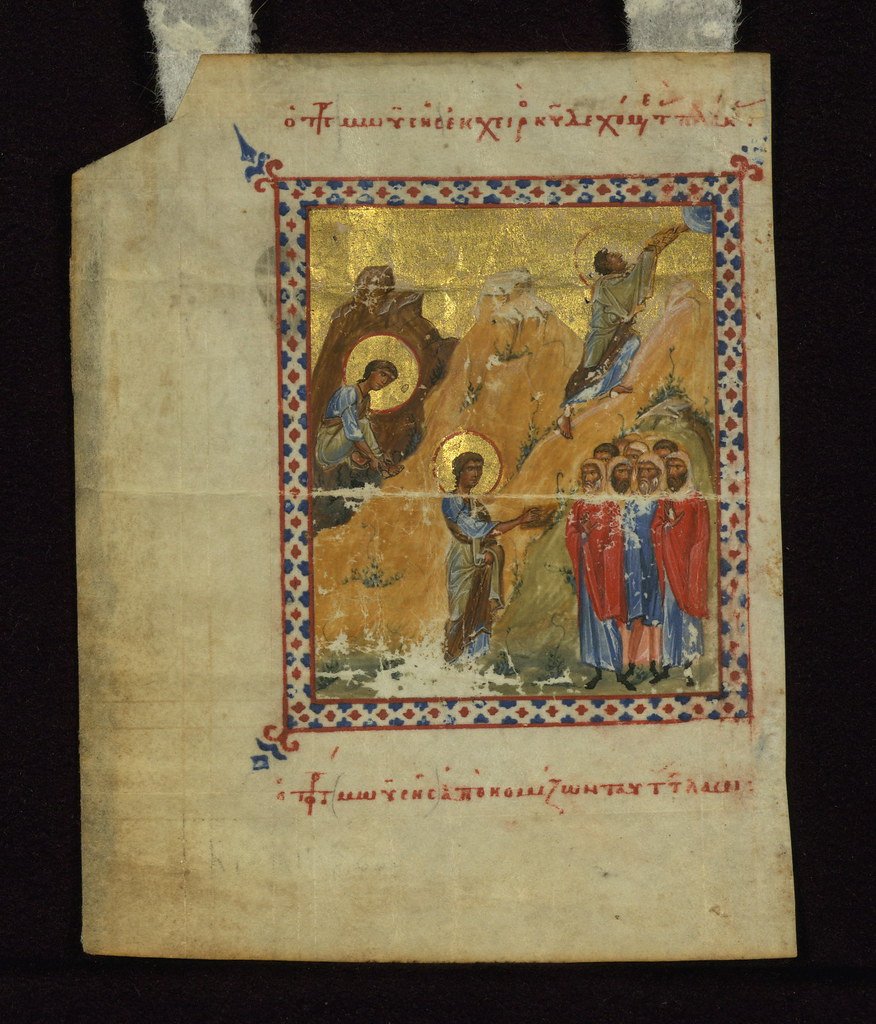
Where Christians have practiced contemplation for centuries
Silence and repetition are not imports. Several streams within Christianity developed them independently and early.
| Practice | Tradition | What it involves |
|---|---|---|
| Lectio divina | Benedictine, now broadly Catholic and Protestant | Slow reading of a short passage, then reflection, prayer and silence |
| The Jesus Prayer | Eastern Orthodox hesychasm | One short prayer repeated continuously, often with the breath |
| Ignatian imaginative prayer | Jesuit | Placing yourself inside a gospel scene in detail |
| Centering prayer | Modern Catholic contemplative movement | A single sacred word used to return attention to God |
| Waiting worship | Quaker | Corporate silence until someone is moved to speak |
The objections you will hear, stated fairly
Christians who advise against meditation practices usually raise one of three points, and it helps to see them separately rather than as a single blanket warning.
- Emptying the mind. The argument is that scripture calls for a mind occupied with truth, and that a deliberately blank mind is spiritually unguarded.
- Technique carries theology. On this view, practices developed inside Hindu or Buddhist frameworks cannot be cleanly separated from the worldview that produced them.
- Self focus. Some argue that turning attention inward competes with prayer directed outward toward God and neighbor.
Christians who disagree respond that most modern mindfulness instruction is attention training rather than worship, that the mind is never actually blank in these practices, and that the church’s own contemplative history already covers this ground.
How people usually resolve it in practice
- Start with the scriptural version. Take one verse, read it slowly several times, and sit with it. This satisfies almost every objection because the content is explicit.
- Separate technique from framing. Many people use breath focus purely to steady attention, then pray, and keep the two labeled.
- Ask your own church. Positions differ sharply between denominations and even between congregations, so a local answer will be more useful than a general one.
- Read a primary source. The Rule of Benedict, the Philokalia and the Spiritual Exercises are all available and describe these practices in their own words.