The answer is PARE, four letters. Cut is one of the most elastic clue words in English, so this is a length problem before it is a vocabulary problem. PARE is the four letter fill that turns up most often, with SNIP and TRIM just behind it, and the full field stretches from three squares to eight.
Why one short clue covers so much ground
Cut does duty as both verb and noun, and each role splits again into senses with almost no common ground between them. As a verb it can mean to sever, to reduce, to shape, to dilute, to skip, and to snub. As a noun it can be a wound, a share of money, a style of clothing, a track on an album, or a scoring cutoff in a golf tournament. A setter who writes the clue as a single bare word is deliberately declining to tell you which of those is live.
That is not unfair, because the grid tells you instead. Two crossing letters usually collapse a field of fifteen candidates to one. So resist the urge to pick your favorite synonym and write it in. Count the squares, then work the crossings, then commit.
PARE, TRIM and SNIP are not the same motion
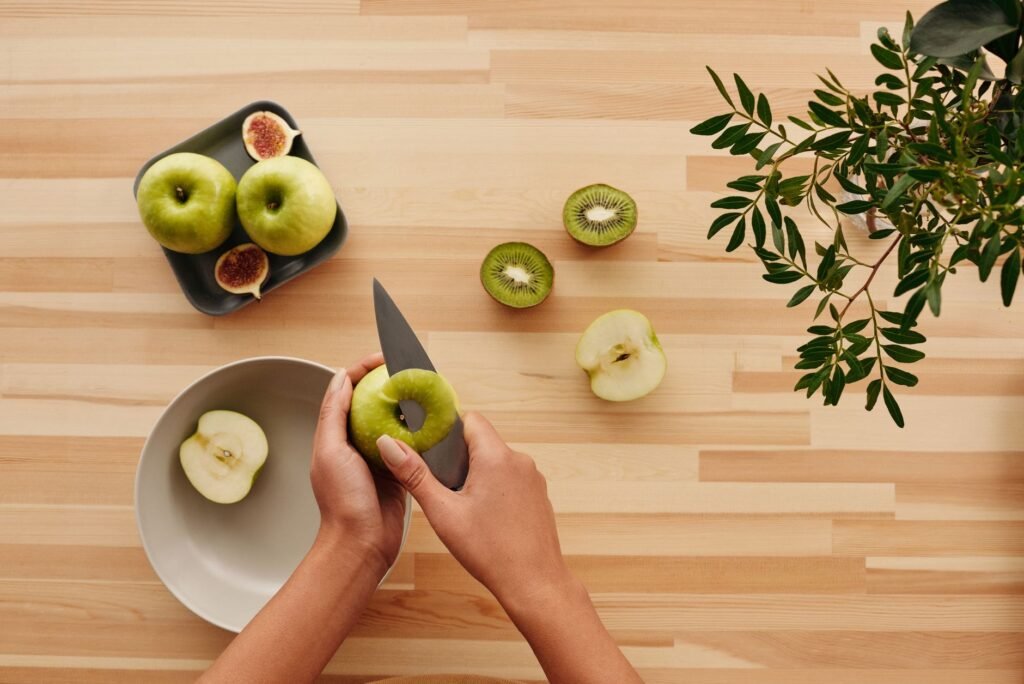
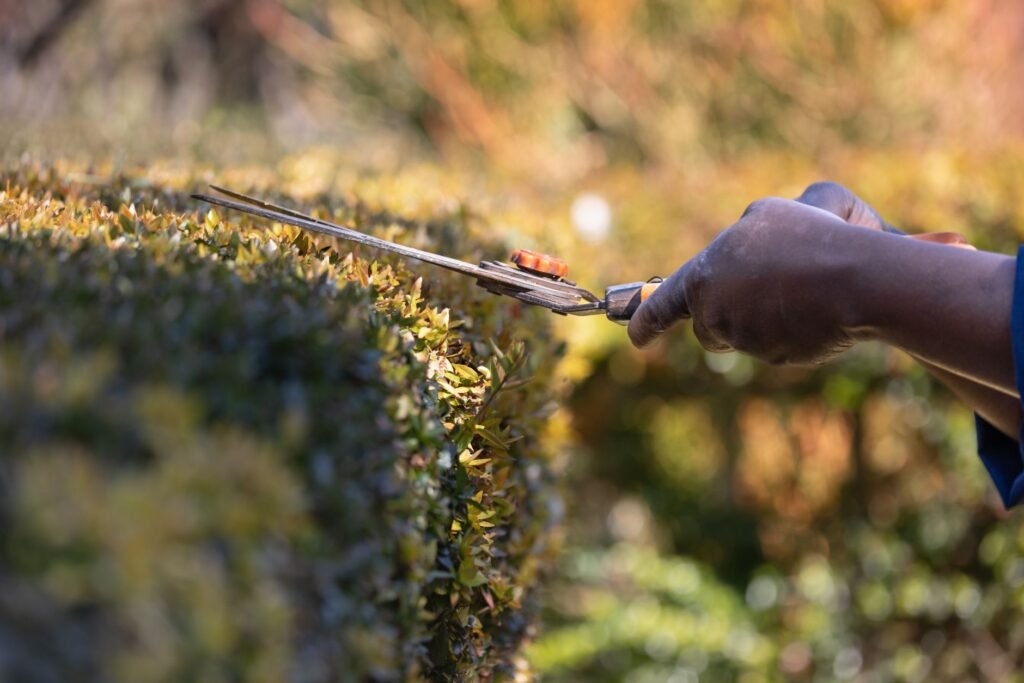
These three are treated as interchangeable by most solvers and they are not. To pare is to shave thin layers off the outside of something, which is why a small kitchen knife is a paring knife and why you pare an apple rather than trimming one. To trim is to bring an edge back to a line, taking off whatever sticks out past where you want the boundary. To snip is a single quick stroke of scissors or shears, and it implies the blade closing once rather than working along a surface.
The figurative uses follow the physical ones. A budget gets pared when small amounts come off repeatedly, trimmed when it is brought down to a target, and slashed when the reduction is large and sudden. If the clue carries an adverb like sharply or severely, SLASH is far more likely than PARE.
Three squares to six, and what goes in each
Count the blanks, then run this list from the top:
| Letters | Answer | What triggers it |
|---|---|---|
| 3 | HEW | Cutting with an axe or adze |
| 3 | LOP | Removing a branch or limb |
| 3 | MOW | Cutting grass or grain |
| 4 | PARE | The plain default for the bare clue |
| 4 | SNIP | One stroke of scissors |
| 4 | TRIM | Tidying an edge back to a line |
| 4 | CHOP | A heavy downward stroke |
| 4 | SNUB | Cut in the social sense |
| 5 | SLASH | Sharp reductions and long strokes |
| 5 | SLICE | Cutting into flat pieces |
| 5 | SHEAR | Wool, hedges, sheet metal |
| 5 | PRUNE | Cutting back a plant or a text |
| 5 | SEVER | Cutting right through |
| 6 | REDUCE | Cut in the accounting sense |
The noun senses that catch solvers out
When the clue is a bare noun, the answer is often about money or damage rather than blades. A cut of the takings is a SHARE or a SLICE or a PERCENTAGE. A cut on the hand is a GASH or a NICK or a WOUND. A cut on a record is a TRACK, which is worth remembering because music clues rarely announce themselves. If the clue reads like a person is doing it to another person, think SNUB, because to cut someone dead is still standard English and still in constructors’ vocabulary.
Reading the tense and the ending
Cut is its own past tense, which removes a signal that solvers normally rely on. In most clues an ending tells you what the answer ends with, so a past tense clue wants a past tense fill. Here the clue word looks the same either way, so PARED, TRIMMED, HEWED and SHORN are all live if the square count supports them. Check the final crossing letter before you assume the present tense.
The same warning applies to the noun and verb split at the other end of the word. A plural noun clue would need CUTS, and that forces an S on the last square. If your last crossing is an S and nothing else is landing, try a plural noun reading of the clue before you try anything exotic.
Frequently asked questions
What is the most common answer to the Cut crossword clue?
PARE is the fill you will see most often at four letters, followed closely by SNIP and TRIM. At five letters SLASH and SLICE take over.
Can Cut be a noun answer rather than a verb?
Yes. A cut can be a SHARE or SLICE of money, a GASH or NICK on skin, or a TRACK on an album. The bare clue gives no grammatical hint, so the crossings decide.
Why do so many different words fit the clue Cut?
Cut covers severing, reducing, shaping, skipping and snubbing, and works as both noun and verb. Each sense has its own set of synonyms, which is why the candidate list runs from three letters to eight.