
It might quiet snoring for people whose noise comes from sleeping with an open mouth, and it does nothing for nasal snoring. Mouth taping is popular and lightly tested, and the important part is not whether it works but whether it is a reasonable idea for you. That question is worth asking a doctor.
The theory behind it
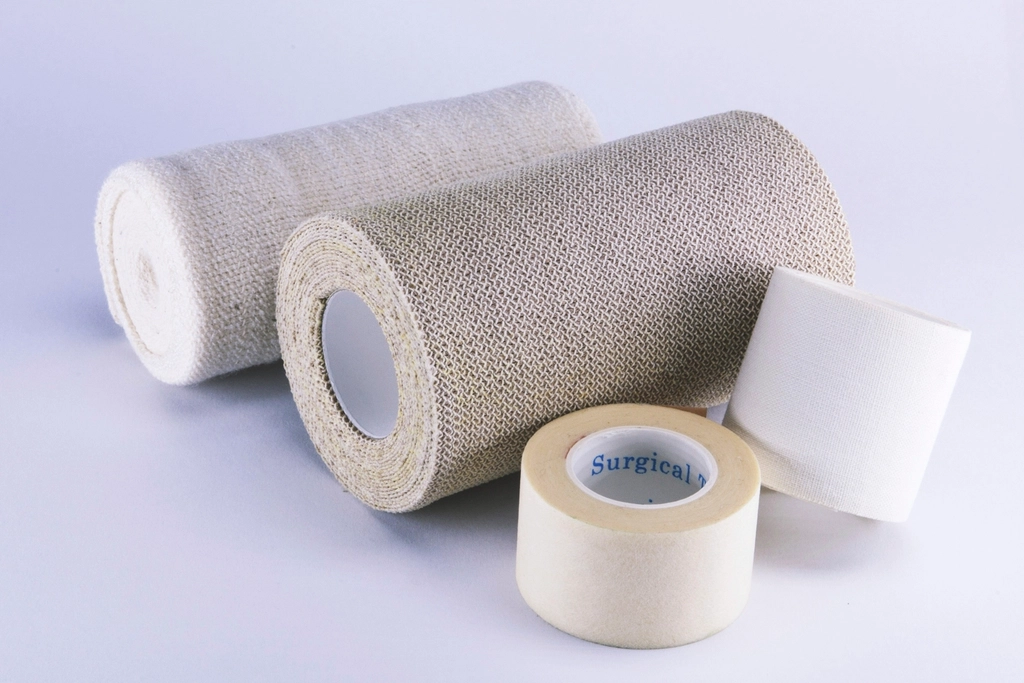
When the jaw drops open in sleep, the tongue tends to fall backward and the throat tissue is easier to set vibrating. Taping the lips is meant to keep the mouth shut so breathing goes through the nose, which also warms and filters air on the way in. For someone whose snoring is clearly an open-mouth rattle, the logic is at least coherent.
What it does not do is widen anything. Nothing about a strip of tape changes a narrow nasal passage, swollen tissue, or a crowded throat.
The evidence behind it is thin, which is worth saying plainly given how confidently the practice gets marketed. Most of what circulates is personal testimony and before and after audio rather than controlled comparison. That does not make it useless, it makes it unproven, and unproven is only acceptable when the downside is small and you understand what it is.
Who it plainly does not suit
- Anyone who cannot breathe comfortably through the nose while awake and lying down.
- Anyone with ongoing congestion, allergies in season, or a cold.
- Anyone who has been told they have sleep apnea, or who has never had suspicious symptoms checked.
- Anyone prone to nausea at night, or drinking alcohol before bed.
- Children, without a clinician saying otherwise.
The simplest test of whether the idea makes sense at all is to close your mouth while sitting on the sofa and breathe through your nose for a few minutes. If that is uncomfortable awake, it is not going to be better asleep.
Cheaper things to try first
- Sleep on your side for three nights and record the difference.
- Skip alcohol for three hours before bed and record again.
- Clear your nose before lying down and see whether the sound changes character.
- Try a nasal strip, which answers the nasal question in one night and costs almost nothing.
If any of those quiet things down, you have your answer without taping anything. If none of them do, that result is more useful to bring to a doctor than a month of experimenting with tape.
The part worth taking seriously
The risk with mouth taping is not really the tape. It is using a consumer product to muffle a symptom that has never been assessed. Loud nightly snoring, witnessed pauses in breathing, gasping, or daytime sleepiness are reasons to be evaluated, and a quieter bedroom does not mean the breathing underneath it improved.
Raise it at an appointment before trying it, especially if anything on the unsuitable list above applies to you.