
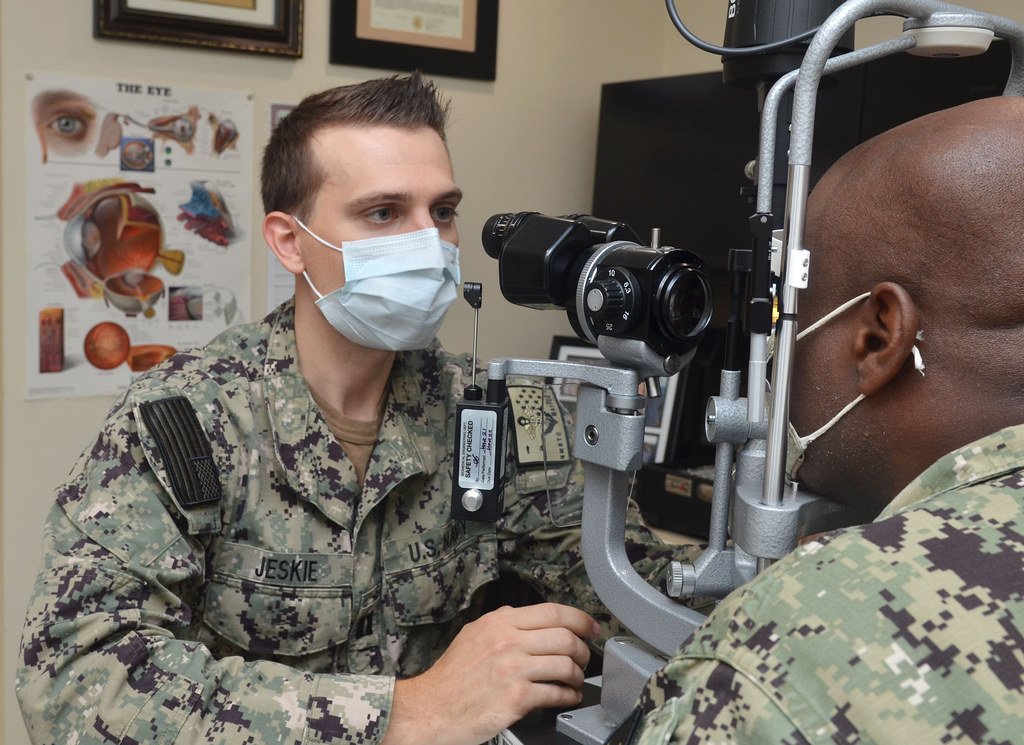
Photo: flickr · PDM
Your immune system knows about your eyes, but it treats them differently from almost everywhere else. The eye is what scientists call an immune privileged site, meaning the body deliberately holds its usual inflammatory response in check there, because the swelling that heals a cut would destroy vision.
Why the eye gets special treatment
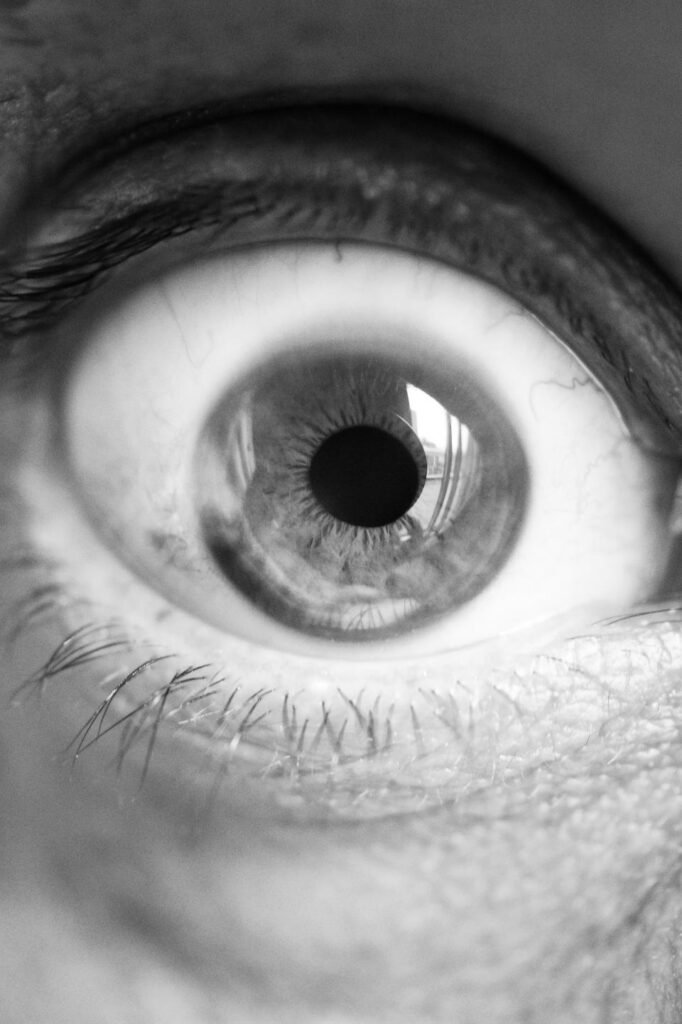
Most tissue can afford inflammation. Skin swells, heals, and scars, and you keep working. The eye cannot. Vision depends on transparent tissue and precisely spaced structures, and scar tissue in the wrong millimeter is permanent damage. Evolution appears to have traded some defensive capability for optical clarity.
Several mechanisms produce that effect at once. The cornea has no blood vessels, so immune cells have no highway in. A blood and retina barrier, similar in spirit to the blood brain barrier, filters what crosses from circulation. The fluid inside the eye carries molecules that actively calm immune cells rather than recruiting them. And the eye has limited conventional lymphatic drainage, so fewer antigens get carried out to be shown to the immune system in the first place.
What doctors do with this
| Effect | Practical consequence |
|---|---|
| No blood vessels in the cornea | Corneal grafts succeed at high rates without tissue matching |
| Local immune suppressing fluid | Minor irritation does not spiral into vision destroying swelling |
| Blood and retina barrier | Many drugs cannot reach the back of the eye from the bloodstream |
| Limited antigen drainage | Some eye proteins are largely unknown to the immune system |
That last row explains one of the stranger facts in ophthalmology. Because the immune system has never been properly introduced to certain proteins inside the eye, it can treat them as foreign if an injury ever exposes them.
What happens when the barrier breaks
Sympathetic ophthalmia is the classic illustration. After a penetrating injury to one eye, the immune system can occasionally begin attacking the uninjured eye as well, having finally encountered proteins it was shielded from for a lifetime. It is rare, it has been documented for well over a century, and it is one of the main reasons eye injuries are taken seriously even when the damage looks contained.
The same logic shows up in the other direction. Because the blood and retina barrier blocks so much, treating conditions at the back of the eye often means delivering medicine into the eye directly rather than hoping a pill will get there.
When to see an eye doctor
This is general science, not medical advice, and nothing here replaces an examination. That said, eye professionals consistently describe a short list of symptoms as reasons to be seen quickly rather than to wait and watch.
- Any penetrating injury, chemical splash, or blow to the eye.
- Sudden vision loss, a curtain across part of your field of view, or a burst of new floaters and flashes.
- Eye pain with light sensitivity, particularly with redness that is worst around the colored part of the eye.
- Redness, discharge, or blurring in a contact lens wearer, which is treated as urgent until proven otherwise.