

Photo: rawpixel · CC0
September is for cool season greens, garlic, spring flowering bulbs, grass seed and woody plants, not for anything that needs long hot days. The deciding question is not the calendar but your first frost date, because everything you sow now has to finish before it arrives.
The math that decides everything
Find your average first frost date from your regional extension service or a local frost date lookup, then count backward. Take the days to maturity on the seed packet and add roughly two weeks, because daylight is shrinking and plants grow measurably slower in fall than the packet assumes. If the total fits before your frost date, sow it. If it does not, choose something faster or plant for spring instead.
What goes in the ground this month
| What | Examples | You get it |
|---|---|---|
| Fast greens and roots | Radish, arugula, spinach, lettuce, mustard, turnip | This fall |
| Hardy brassicas as transplants | Kale, collards, cabbage, broccoli | Late fall into winter |
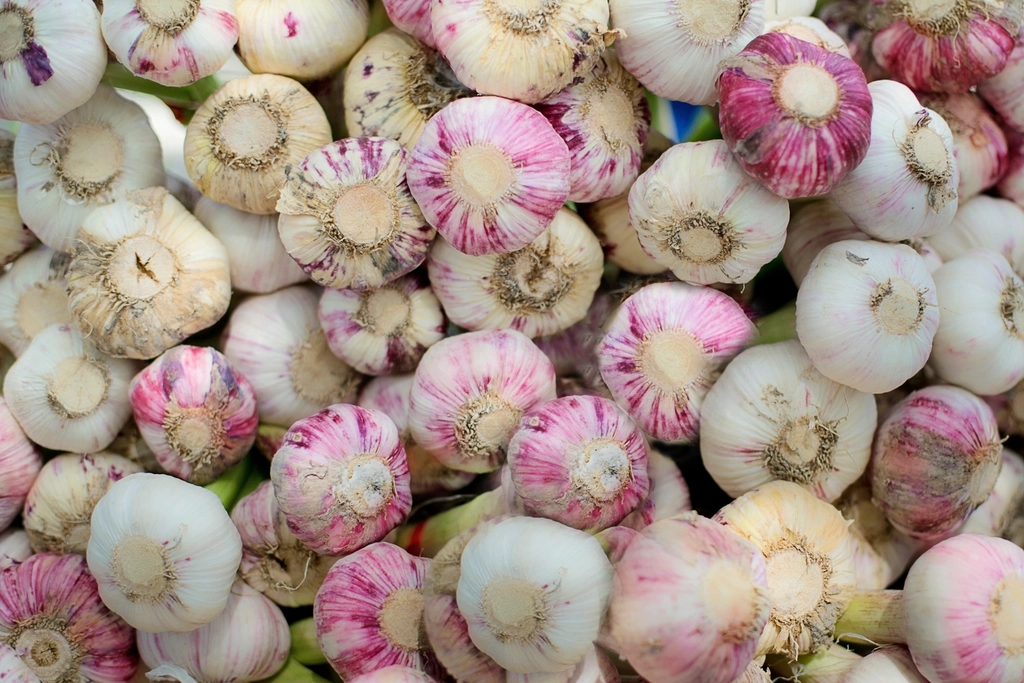
| Garlic and shallots | Hardneck garlic in cold areas | Next summer |
| Spring bulbs | Daffodil, crocus, allium, tulip | Next spring |
| Cool season lawn seed | Tall fescue, Kentucky bluegrass, rye | Filled in by late fall |
| Trees, shrubs, perennials | Container grown stock | Established by next summer |
| Cover crops | Cereal rye, crimson clover, field peas | Better soil in spring |
The jobs people forget until it is too late
- Order bulbs before you need them. The good varieties sell out while the ground is still too warm to plant them. Buy now, store cool and dark, plant once the soil cools.
- Overseed the lawn. For cool season grasses this is the best window of the year, because seed germinates in warm soil while weed pressure is falling.
- Sow a cover crop on empty beds. Bare soil erodes and grows weeds. A cereal rye or clover cover holds it and feeds it.
- Divide crowded perennials. Daylilies, hostas, irises and peonies move well now, while the soil is warm enough for roots to settle.
What not to bother with
Anything with a long warm season requirement is finished for the year: tomatoes, peppers, eggplant, melons, winter squash, corn and okra. Sowing them now gives you healthy little plants that get killed by the first cold night. Warm season lawn grasses such as bermuda and zoysia are also the wrong call, because they want soil heat to establish and are heading into dormancy instead.
Buy the frost protection now
The difference between a fall garden that ends in October and one that runs into winter is usually a single layer of cover. Floating row cover, a cold frame, or even an old bedsheet thrown over the bed on the first cold night buys weeks of extra harvest from crops already in the ground. Getting it before the forecast turns is the part that people put off, and the first frost rarely announces itself far enough in advance.