Marginal benefit is what you gain from one more unit of something, judged on its own rather than added to everything you have already consumed. That single distinction is the whole concept, and it is what makes an otherwise abstract idea useful for ordinary decisions.
The pizza example
The first slice when you are genuinely hungry is worth a great deal. The second is still good. By the fourth you are slowing down, and a sixth might leave you feeling worse than the fifth did.
Track the two numbers separately and the point becomes obvious. Total benefit is still climbing through the fifth slice, because the meal as a whole keeps getting better. Marginal benefit has been sliding the entire time, and by the sixth slice it has gone negative. The decision to stop eating is made on the marginal figure. It is never made on the total.

Where it meets marginal cost
| Situation | What the rule says |
|---|---|
| Marginal benefit is above marginal cost | Another unit is worth having |
| The two are equal | Stop here, this is the optimum |
| Marginal benefit is below marginal cost | You went past the point, scale back |
That comparison carries a surprising amount of microeconomics on its back. Firms set output where marginal revenue meets marginal cost. Households spread spending until the benefit per dollar is roughly equal across everything they buy. Public agencies use the same frame to argue that a safety measure is or is not worth its additional cost.
Why it usually declines
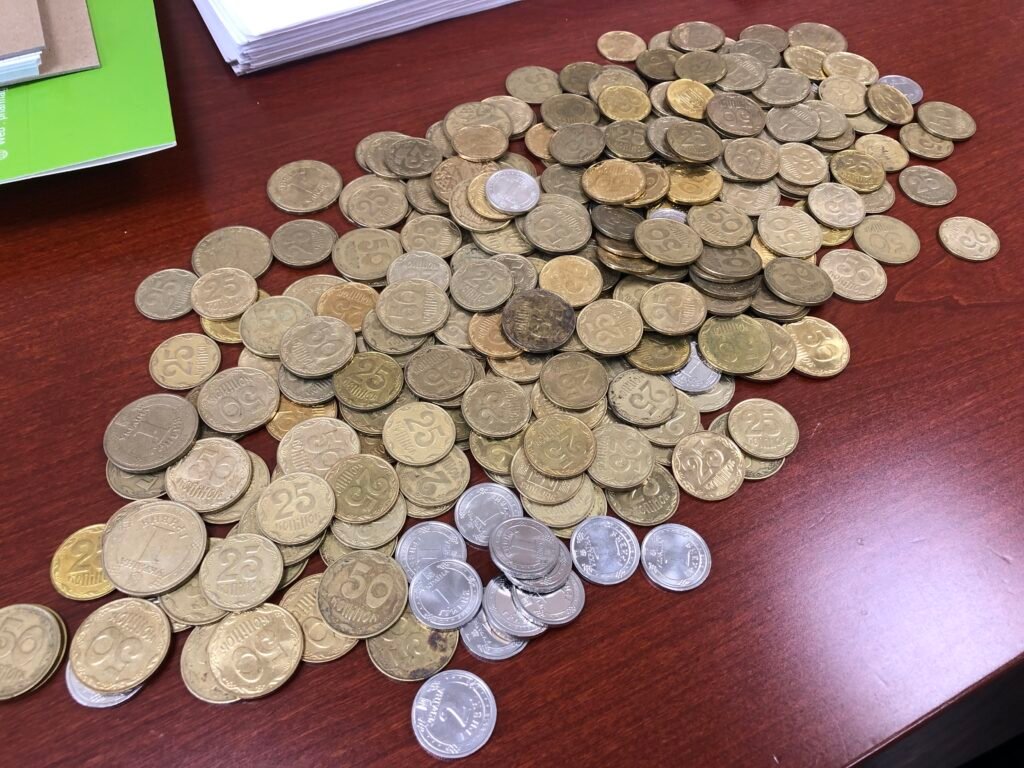
Diminishing marginal utility is the everyday observation that each extra unit of the same thing satisfies less than the one before it. The first winter coat keeps you warm. The fourth mostly occupies closet space.
The same logic explains why a fixed sum of money means more to a person who has little than to a person who has a lot, which is the standard economic argument sitting underneath progressive tax design. It also explains why a subscription you use twice a month feels worse value than one you use daily, even at an identical price.
Where people misread it
- Treating it as total value. Something can be immensely valuable in aggregate while the next unit of it is worth nothing at all.
- Letting sunk costs in. Money already spent does not change what the next unit adds, however strongly it feels like it should.
- Assuming it always falls. It does not always. Collections, tools and networks can show a rising marginal benefit, where the next item is worth more precisely because of what you already own.
- Forgetting cost moves too. Bulk pricing, time pressure and storage limits all shift marginal cost, and the stopping point moves with it.
Using the idea on purpose
The practical version is a question rather than a formula. Before buying more, working longer or adding another feature, ask what this next unit specifically adds and what this next unit specifically costs. Both halves have to be marginal for the comparison to mean anything.
Most overspending, in household budgets and in projects alike, comes from evaluating the whole rather than the increment. The whole almost always looks worth it, which is exactly why it is the wrong thing to look at.