Start with an anthology, not an author. Science fiction short stories vary enormously in style, and a collection tells you what you actually like in an evening.
Why the short form suits the genre
Most science fiction is built around one idea and its consequence. What if memory could be edited. What if a machine could think. What if the sun went out. A short story can pose that question, follow it to its conclusion, and stop.
Novels need a plot substantial enough to carry three hundred pages, which often means the central idea gets diluted by everything built around it. That is why so many of the genre’s most quoted works are short, and why writers who are indifferent novelists can be outstanding at this length.

Stories that reward a first-time reader
- Nightfall by Isaac Asimov. A planet with permanent daylight faces its first darkness. The premise does all the work.
- The Nine Billion Names of God by Arthur C. Clarke. A monastery hires computer engineers. Famous for its final line.
- Flowers for Algernon by Daniel Keyes. Written as diary entries whose prose changes with the narrator. The novel came later and the story is tighter.
- The Ones Who Walk Away from Omelas by Ursula K. Le Guin. Barely a story at all, closer to a philosophical problem stated in prose.
- Story of Your Life by Ted Chiang. Linguistics and first contact. Filmed as Arrival.
- A Sound of Thunder by Ray Bradbury. Time travel and consequences, and the origin of the butterfly effect as a popular image.
What a story tells you in its first page
Short fiction announces its type fast, and reading that signal saves you a lot of abandoned collections. If the opening drops you into a world and explains none of it, the writer expects you to assemble it as you go, and the assembling is the pleasure. If it opens with a person and a problem and the strange element arrives later, the idea is there to put pressure on a character rather than the reverse. If the first paragraph is doing something odd with the prose itself, voice is the point, as it is in the Keyes story above.
None is better than the others. They ask different things of you, and a collection that leaves you cold is usually full of the type you do not enjoy rather than of bad writing.
Where to read free, legally
| Source | What it holds |
|---|---|
| Project Gutenberg | Work whose copyright has lapsed, including a good deal of pulp era science fiction |
| Internet Archive | Scanned magazine back issues, borrowable |
| Clarkesworld | Current fiction, published free on the magazine site |
| Lightspeed and Strange Horizons | Contemporary short fiction, free to read |
| Public library apps | Anthologies and current collections with a library card |
Anything published in the last several decades is generally still in copyright, so a site offering a complete modern anthology free is almost certainly not licensed to do so.
Starting with the oldest famous story is a trap
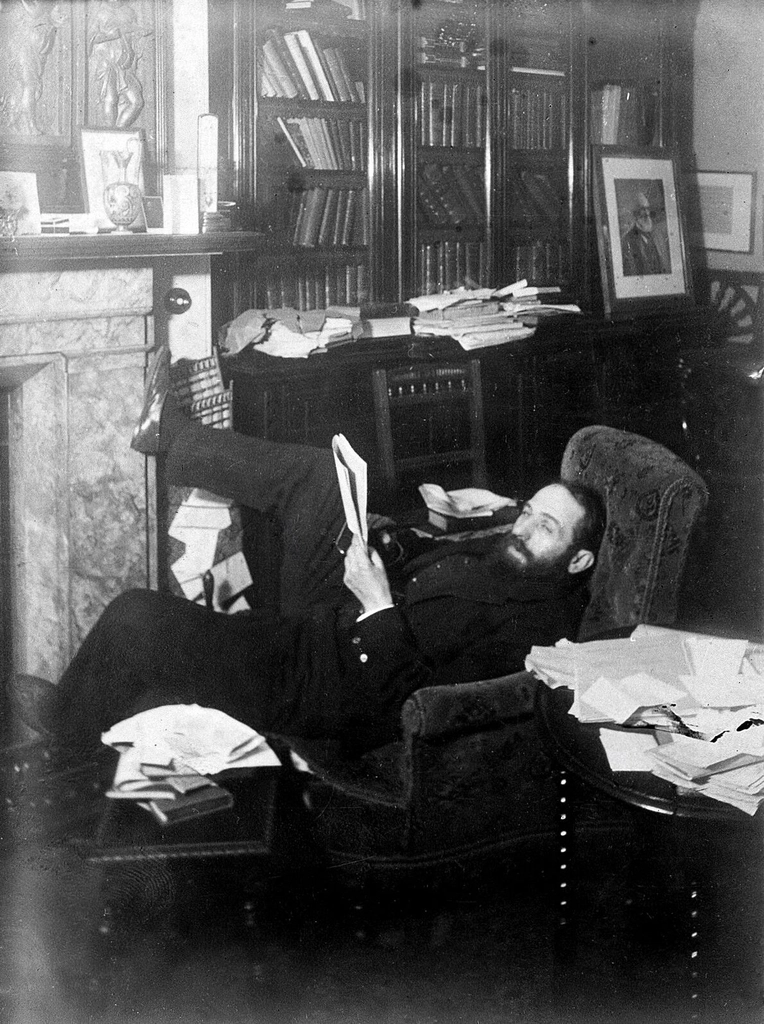
The titles everyone names first are mostly decades old, and the distance shows in ways that have nothing to do with quality. Social assumptions have dated, imagined technology has been overtaken by the real thing, and the prose conventions of the period can feel stiff to a contemporary reader. A reader who begins there and bounces off tends to decide the genre is not for them.
Going backwards is easier. Read something published recently, work out what you liked in it, then follow that thread into the older work. The classics land far better once you can see what they made possible.
Anthologies worth starting with
The Science Fiction Hall of Fame collects stories chosen by writers in the field and remains the standard entry point for older work. For contemporary writing, the annual best-of collections give you a snapshot of what the genre is doing now, and they are the fastest way to find current authors worth following.
What the venue tells you before you read a word
Every magazine and every anthology has a taste, set by whoever chooses the contents. Two annual best-of collections covering the same year will share some stories and disagree about the rest, because each records one editor’s reading rather than measuring anything. Treat that as useful. Once you find an editor whose picks keep working for you, that name filters better than any list of titles.
It is also the reason to stay with the sources in the table. Sites advertising complete modern collections as free downloads are not licensed to offer them, and downloads from them are a well worn route to something unwanted on your machine.