
Yes, and the freezer is the only storage spot that actually stops bread from going stale. Staling is starch recrystallizing, and it runs fastest at refrigerator temperature. Deep cold halts it. A loaf wrapped properly on the day you buy it comes back close to where it started.
The fridge stales bread, the freezer does not
As bread bakes, starch granules swell and trap water in a loose structure. From the moment the loaf cools, those granules begin reorganizing into tight crystals and pushing that water back out. Staling is a change in structure rather than a loss of moisture to the room, and it moves quickest near normal fridge temperature. That is precisely why day old fridge bread feels drier than day old counter bread.
Take the temperature low enough and the molecules cannot rearrange at all. The loaf is paused. Warming it later even undoes some of the crystallization, which is how a toasted frozen slice ends up tasting better than a fresh slice that spent two days on the counter.
Slice it first or freeze it whole?
| Type | Best approach |
|---|---|
| Pre sliced sandwich loaf | Freeze as is, pull slices straight to the toaster |
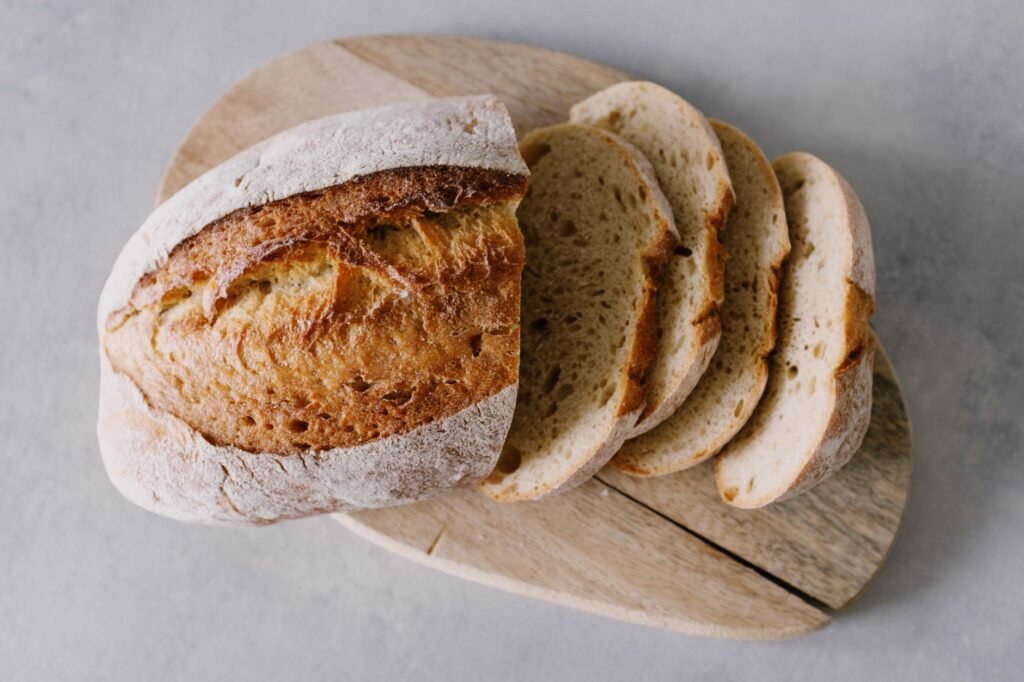
| Sourdough boule | Whole if you will eat it in one sitting, otherwise sliced |
| Baguette | Cut into thirds, a whole one never fits and the crust flakes |
| Bagels | Always split them first, sawing a frozen bagel is asking for trouble |
| Dinner rolls | Freeze in the quantity you serve at once |
| Brioche and challah | Sliced, the egg and butter thaw beautifully |
| Buttered garlic bread | Freeze unbaked in foil, bake straight from frozen |
Wrapping that keeps the frost out
- Wait until it is stone cold. A warm loaf in a bag makes condensation, and condensation becomes ice on the crust.
- Wrap tight in plastic, pressing the film against the cut face instead of tenting it over the top.
- Add a second layer of foil or a freezer bag. One layer will not carry a loaf through several weeks.
- Do it the day you get it, not on day four when it is already halfway gone. The freezer preserves whatever state it finds.
- Skip paper bags entirely. They breathe, which is wonderful on a counter and useless in a freezer.
Getting a frozen loaf back
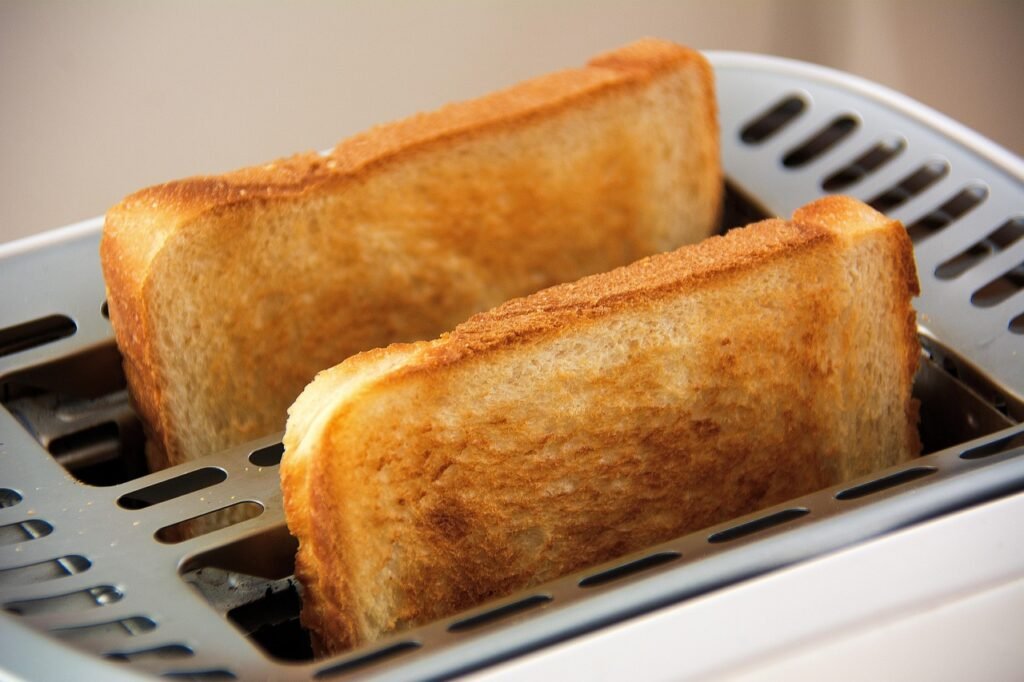
Slices go into the toaster still frozen, on a slightly longer setting, with no thawing at all. A whole loaf does better in the oven. Unwrap it, mist it or run it briefly under the tap so the crust is damp, then bake at a moderate heat for roughly ten minutes until the outside crackles and the middle is soft again. It stays convincingly fresh for an hour or two, so time that for right before dinner rather than the morning.
Three months is the practical quality window for most loaves, and less for anything with a thin crisp crust. Loaves do not become unsafe in a freezer, they become dull, so the date on the bag is about pleasure rather than risk. Treat the microwave as a last resort and only in short bursts, since starch softened by microwave heat turns tough and leathery the moment it cools.