
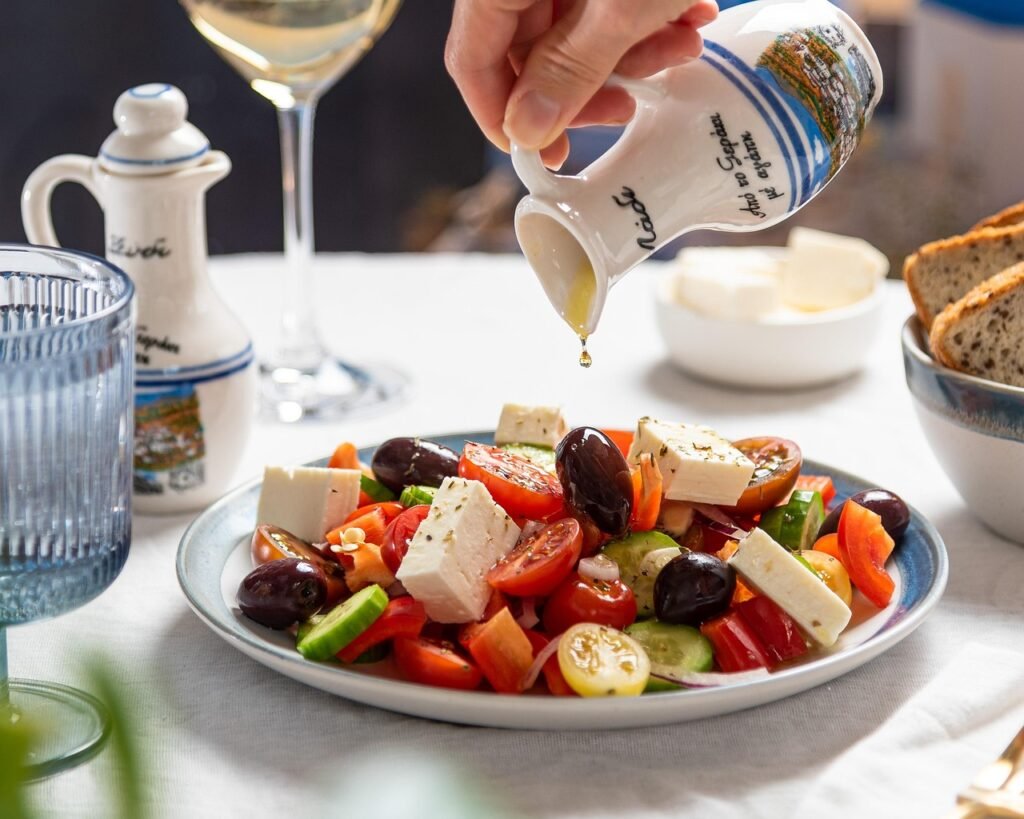
Yes, and feta handles the freezer better than most cheeses because it is already a salted, pressed curd. The flavor comes through almost untouched. What changes is the body. A block that used to slice cleanly will crumble instead, which hurts on a salad and matters not at all in a hot pan.
A salted curd survives what a soft cheese cannot
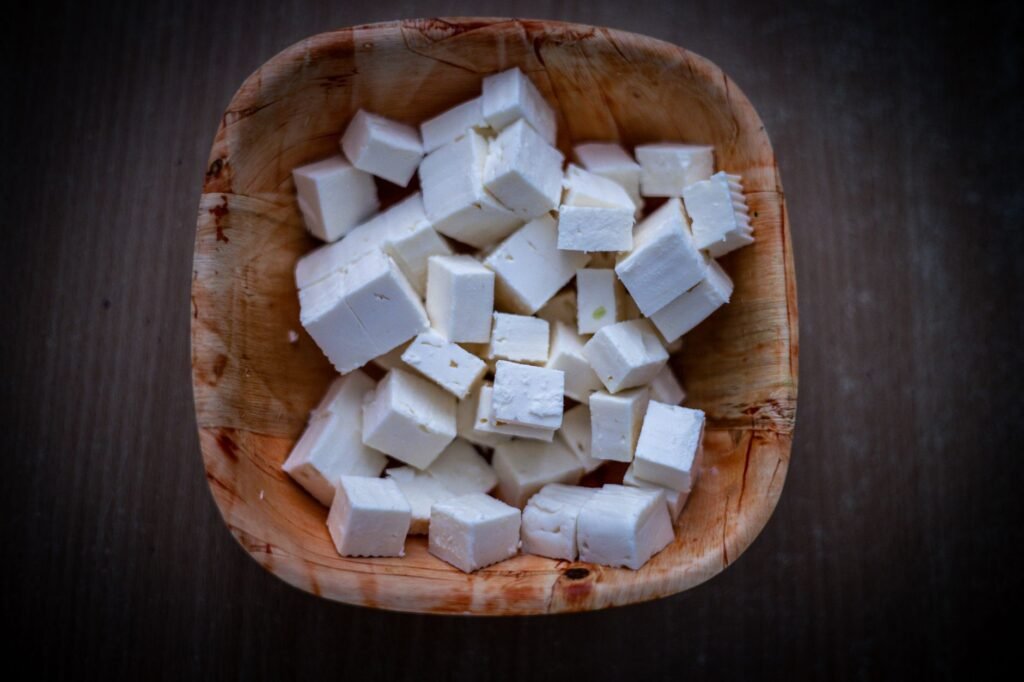
Most fresh cheeses fail for one shared reason. They are held together by water, and once that water turns to ice it breaks the structure and never rebuilds it. Feta starts from a different place. It has been cut, drained, pressed and salted, and a lot of the water that would cause trouble was removed before you ever bought it.
Salt does the rest. It binds what water remains and keeps the curd flexible instead of brittle, which is why a frozen block gives slightly under your thumb rather than ringing like a stone. The protein network is not being torn apart nearly as badly as it would be in ricotta or cottage cheese.
The trade you make is structural, not culinary. Ice crystals still split the curd along its natural seams, so the block loses its ability to hold a shape. Taste a thawed piece next to a fresh one and you will struggle to tell them apart with your eyes closed.
Block, crumbles, or still sitting in brine
| What you bought | Freezer result | What to do first |
|---|---|---|
| Block in brine | Very good | Drain and pat dry, do not freeze the liquid |
| Vacuum sealed block, dry | Excellent | Freeze in the sealed pack as is |
| Pre crumbled tub | Good, stays loose | Spread on a tray first so it pours |
| Marinated in oil with herbs | Fair | Oil goes cloudy and thick, it recovers |
| Barrel aged sheep milk feta | Very good | Portion generously, it is worth the care |
| Feta based dip or whipped feta | Poor | Make it fresh, the dairy splits |
Pre crumbled tubs have a small advantage worth knowing about. They usually carry a dusting of starch or cellulose to stop the pieces sticking, and that same coating keeps them from fusing into one lump in the freezer.
Drain it, portion it, wrap it
- Lift the block out of its brine and let it sit in a colander for ten minutes so the surface liquid runs off.
- Pat every face dry with paper towel. Water left on the outside becomes the frost that dries the cheese out.
- Cut it into portions the size you actually cook with, because you cannot slice a frozen block and you should not refreeze a thawed one.
- Wrap each portion tightly in plastic film, pressing the film flat against the cheese.
- Put the wrapped portions in a freezer bag, squeeze the air out, and seal it.
- Label with the date, and note the milk type if you buy more than one kind.
- For crumbles, spread them on a lined tray, freeze until firm, then bag them so they stay separate.
Where crumbly feta is actually the better ingredient
Thaw it in the refrigerator, still wrapped, over a few hours or overnight. It will release a little liquid as it warms, which is normal. Blot that off and use the cheese cold or straight into a hot dish. A microwave is the one thing to avoid, because it drives the fat out and leaves a rubbery lump behind.
Then aim it at heat. Baked feta pasta, spanakopita and other filo pies, stuffed peppers, savory muffins, frittatas, feta scattered over roasted vegetables in the last five minutes, or whipped into a warm sauce all work better with crumbly cheese than with neat cubes. The dishes to skip are the ones where you would have seen the cheese: a Greek salad, a cheese board, or anything served in slabs.
There is no meaningful spoilage clock to watch here, since the salt and the brine already did the preserving long before your freezer got involved. What you are actually tracking is dryness. Somewhere around three months the outer edges of a portion start going hard and chalky and the salt begins to read harsh rather than bright. If you open a portion and the surface looks pale and crusted, cut that edge off and use the rest in something saucy where the dryness will not show.