
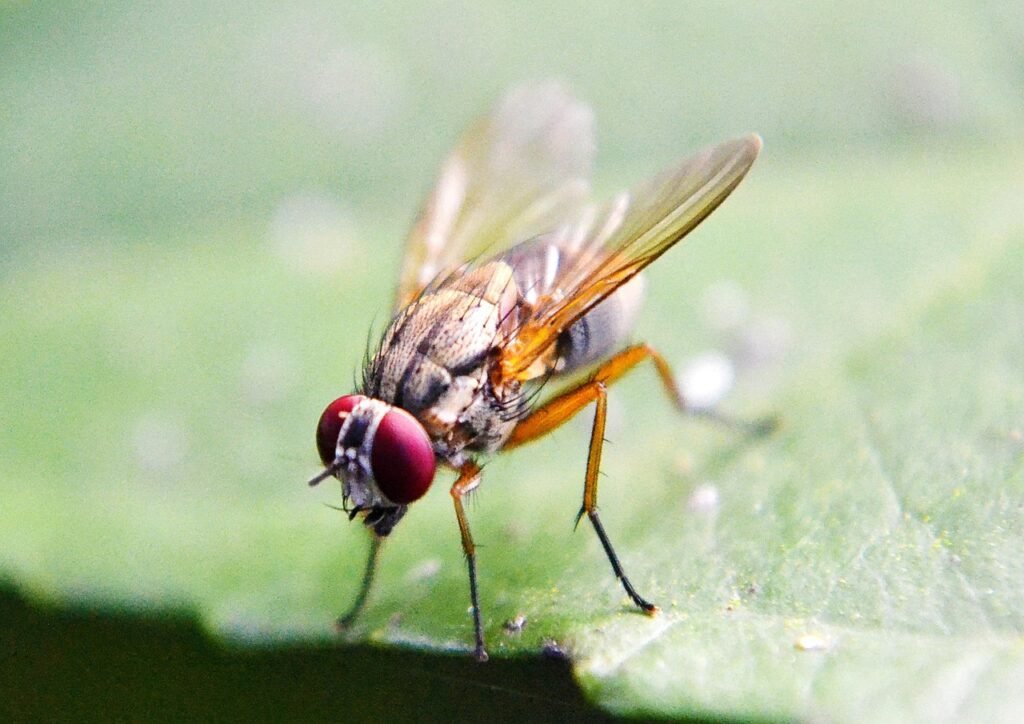
Fruit flies find your kitchen by smelling fermentation, not fruit, so the job is locating the wet, souring thing they are breeding in. A vinegar trap thins the adults and tells you how bad it is, but one overlooked drain or recycling bin refills the room inside of a week.
They are tracking yeast, not produce
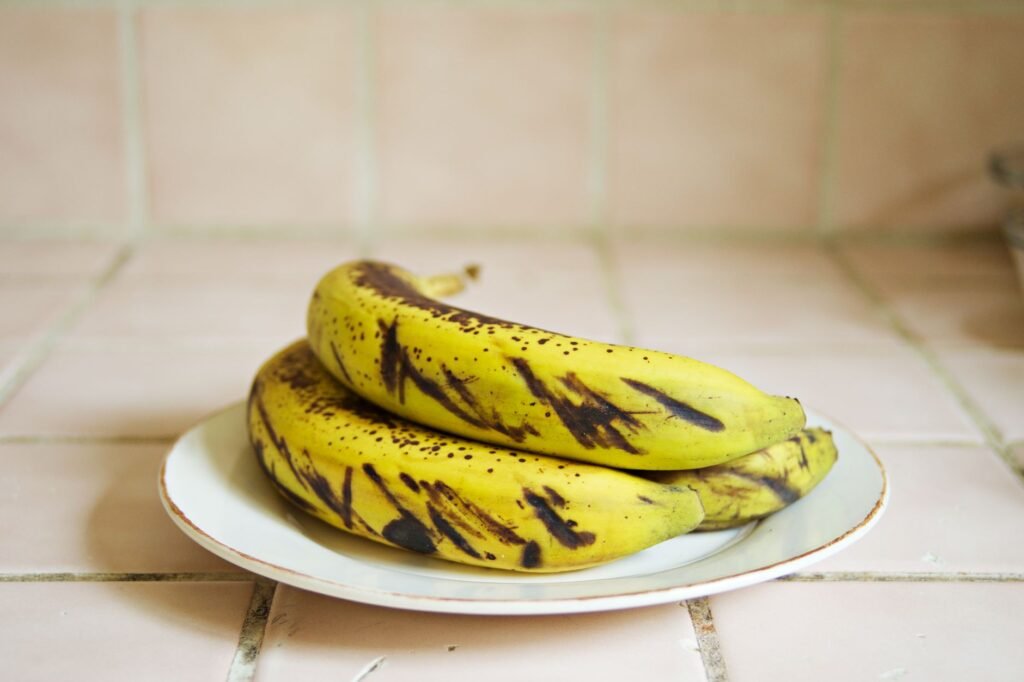
What pulls them in is the chemistry of fermentation: ethanol, acetic acid, and the other volatiles that yeast throws off as sugar breaks down. A firm apple is nearly invisible to them. The bruise on that apple, and the sticky ring the fruit bowl left on the counter, are not. This is also why they find a home with no fruit at all, and why the flies cluster near the sink rather than the pantry.
Their larvae need the same thing: a damp film of fermenting organic matter, only a few millimeters thick. That is the search image to hold in your head while you hunt.
The places people forget to check
- The biofilm ring inside the drain, an inch or two below the strainer.
- The underside of the rubber splash guard in a garbage disposal.
- The recycling bin, especially the bottom of a beer or kombucha bottle.
- A mop head or a wet rag left balled up in a bucket.
- The drip tray under the refrigerator or a self defrosting freezer.
- A potato or onion going soft at the back of the bin.
- The pet bowl, and the mat under it.
- An open bottle of wine, vinegar, or cooking sherry with residue on the neck.
Boiling water down a drain feels productive and mostly is not, because the biofilm clings to the pipe wall above the water line. A stiff drain brush followed by an enzyme or foaming drain cleaner does the actual removal.
Why your trap is not catching anything
Apple cider vinegar works because it already smells fermented. Plain white vinegar is much weaker at this. Add one drop of dish soap, which breaks the surface tension so flies sink instead of skating off, and the trap goes from decorative to effective. A paper cone taped into a jar helps, since flies walk down easily and struggle to find the hole again. Set several small traps rather than one big one, then read them: the trap that fills fastest is pointing at the source.
Breaking the generation cycle
| Small flying insect | Where it is breeding |
|---|---|
| Fruit fly, tan, red eyes | Fermenting residue: drains, bins, soft produce |
| Fungus gnat, dark and skinny | Damp potting soil in houseplants |
| Drain fly, fuzzy and moth like | Sludge in a rarely used drain or floor trap |
| Phorid fly, humpbacked, runs | Sewer break or decaying matter under the slab |
A fruit fly goes from egg to adult in roughly a week in a warm kitchen, faster in a hot one. That is short enough that missing one breeding site restarts the whole thing, and long enough that you should keep traps out for about two weeks past your last sighting before declaring it finished. If you are seeing humpbacked flies instead, stop treating it as a kitchen chore and get a plumber to look for a broken line.