
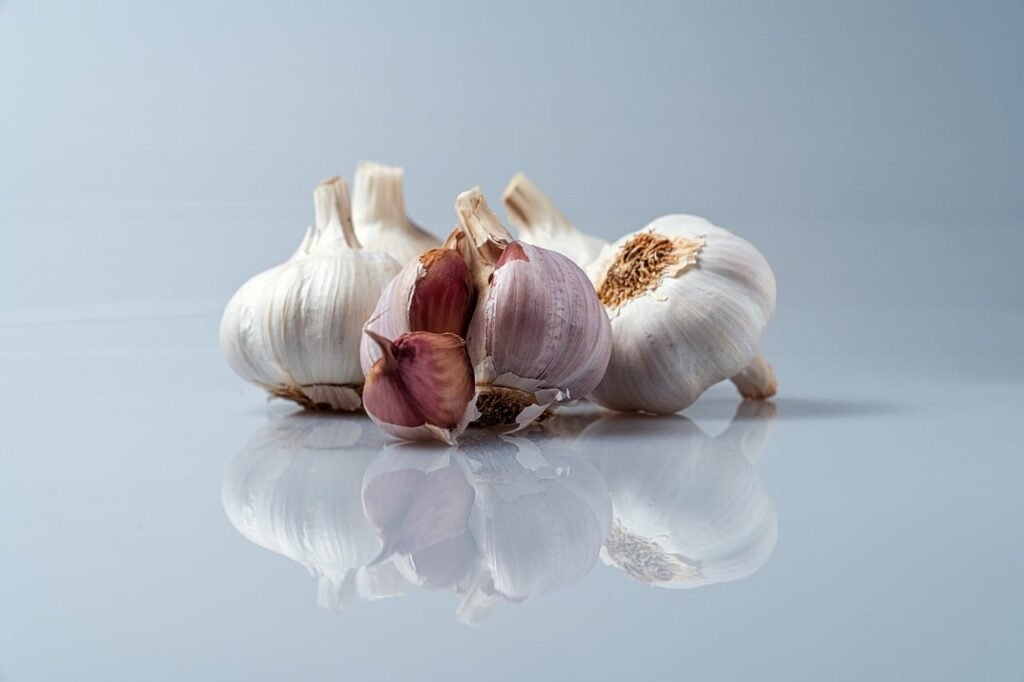
Garlic confit is peeled garlic cloves cooked slowly in oil over very low heat until soft, golden and spreadable. The part people skip is storage. Garlic in oil can support botulism, so refrigerate the confit as soon as it cools and use it within 4 days, or freeze it.
Confit means slow poaching in fat
Confit is a French cooking method where food cooks gently while fully submerged in fat. With garlic, the oil stays just warm enough to soften the cloves without browning them fast. The sharp raw bite mellows into something sweet and nutty, and the cloves turn soft enough to spread with a butter knife.
You end up with two ingredients from one pan, the cloves themselves and a garlic scented oil. Both carry the same storage rules.
Cooking the cloves low and slow
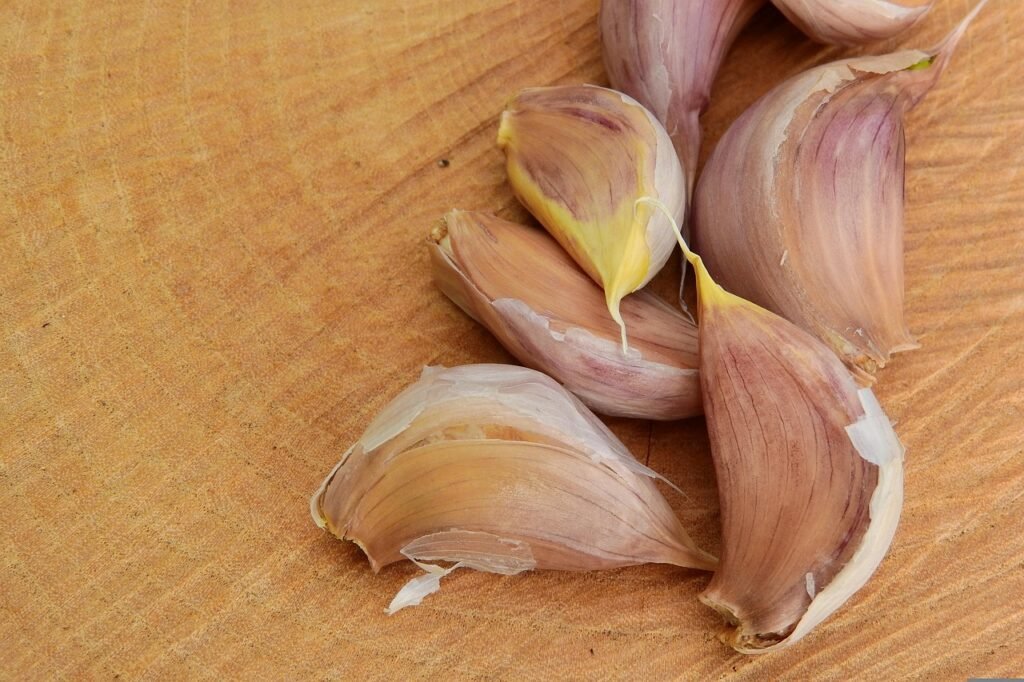
- Peel the cloves from two or three heads of garlic. Pre peeled cloves save time; trim any brown spots.
- Put them in a small saucepan or baking dish so they sit snugly in one layer.
- Pour in olive oil or a neutral oil until the cloves are completely covered.
- Set the stove to its lowest setting, or use a low oven. You want tiny, lazy bubbles, never a fry.
- Cook until the cloves are pale gold and crush easily against the side of the pan with a spoon. Judge by texture rather than a timer, since burners vary.
- Let everything cool briefly, then transfer the cloves and oil to a clean jar and refrigerate right away.
If the oil starts sizzling hard or the cloves brown quickly, the heat is too high and the garlic will turn bitter. Pull the pan off for a minute and lower the flame.
Why garlic under oil is a botulism risk
The bacteria that make botulinum toxin live naturally in soil, which is where garlic grows. Oil seals the cloves away from air, and garlic is low in acid. That combination is the kind of environment where the bacteria can produce toxin if the jar sits warm.
Cooking the garlic doesn’t make the jar shelf stable, because the danger comes from what happens during storage. The CDC points out that you cannot see, smell or taste botulinum toxin, so a jar that looks and smells fine is no proof of safety. Commercial garlic in oil is acidified under controlled conditions; a home batch isn’t, which is why the rules below apply to confit made on your stove.
The four day fridge limit and the freezer option
The CDC’s botulism prevention guidance says to refrigerate homemade oils made with garlic or herbs and throw them away after 4 days. Oregon State University Extension gives the same 4 day refrigerator limit for homemade flavored oils and recommends freezing for longer storage.
| Where the confit sits | Rule |
|---|---|
| Countertop or pantry | Not safe for storage, refrigerate as soon as it cools |
| Refrigerator | Use within 4 days, then discard |
| Freezer | Recommended for keeping it longer |
A handy trick is to spoon cloves and oil into an ice cube tray, freeze, then transfer the garlic cubes to a zip-top freezer bag. You can drop a frozen cube directly into a hot pan. Label that bag with the freezing date.
If anyone develops difficulty breathing or muscle paralysis after eating home preserved food, the CDC says to see a doctor or go to the emergency room immediately and not wait.
Ways to use garlic confit and its oil
Mash a few cloves into softened butter for toast or a quick homemade garlic bread. Stir them into mashed potatoes, whisk them into salad dressing, or smear them on pizza dough before the toppings go on. They blend smoothly into hummus and make a mellow base for pan sauces.
The oil is great for roasting vegetables, frying eggs or drizzling on soup. Cook with it or drizzle it on while it’s fresh from the fridge, and keep the same 4 day clock running on the oil as on the cloves.
Frequently asked questions
Can garlic confit be left out at room temperature?
No. Homemade garlic in oil is low in acid and sealed from air, which is the setting where botulism bacteria can make toxin. Refrigerate it as soon as it cools, use it within 4 days, and freeze anything you won't finish in that window.
What is the difference between roasted garlic and garlic confit?
Roasted garlic usually cooks as a whole head wrapped or drizzled with a little oil, so it browns and caramelizes. Confit submerges peeled cloves in oil and cooks them gently, giving a softer, paler result plus a jar of garlic oil. The storage rules for the oil still apply.
Can I cook with garlic confit while it is still frozen?
Yes. Frozen cubes of confit can go directly into a hot pan, soup or sauce without thawing. If you need a spreadable clove for bread, thaw a cube in the refrigerator rather than on the counter, and use it soon after it softens.
What is duck confit?
Duck confit is duck that has been cooked slowly in its own fat and then kept in that fat. Merriam-Webster defines confit as meat, such as goose, duck or pork, cooked and preserved in its own fat. Garlic confit borrows the slow cooking, but homemade garlic in oil still needs the fridge and the 4 day limit.
How do you make garlic confit in the oven?
Set peeled cloves snugly in a small oven-safe dish, cover them completely with oil, and bake in a low oven until they turn pale gold and crush easily with a spoon. Judge doneness by texture rather than the clock. Let it cool briefly, then refrigerate it right away and use it within 4 days.