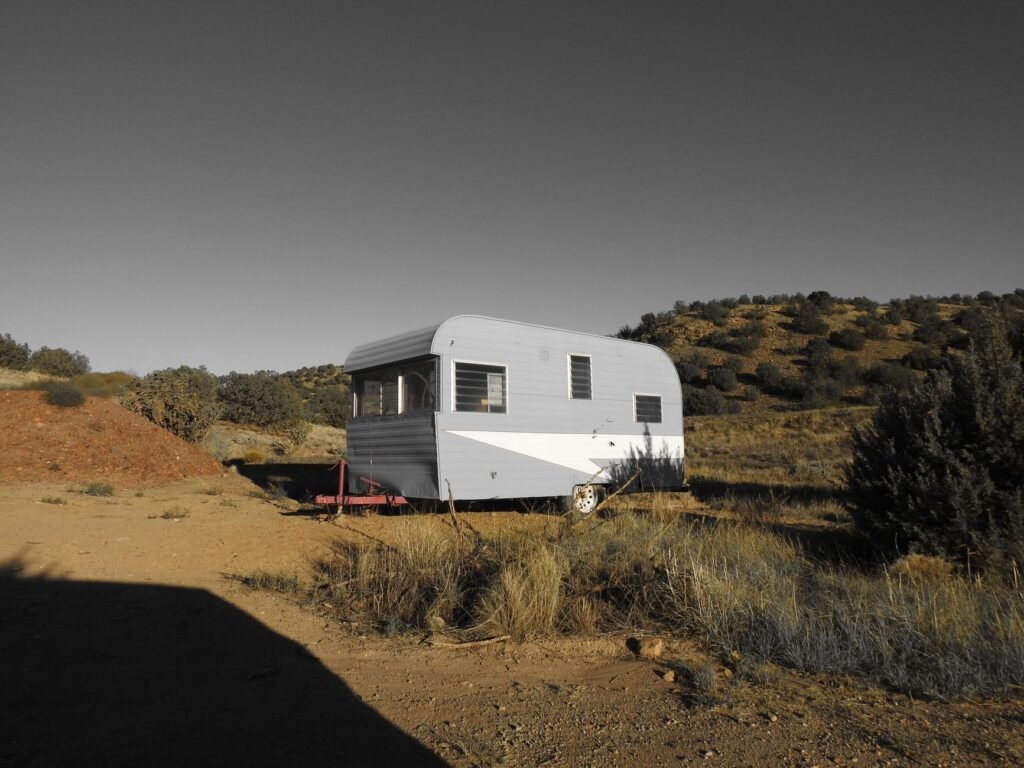
No. Breaking Bad is invented, from the characters to the plot. Vince Gilligan has described exactly where it came from, and it was not a case file. It was a joke between two out-of-work television writers about putting a meth lab in the back of a recreational vehicle. Walter White is not a real chemistry teacher, and there is no investigation behind the series.
The record on how the show was made
| Question | Answer |
|---|---|
| Based on a true story? | No, an original series |
| Based on a book? | No |
| Created by | Vince Gilligan |
| Network | AMC |
| Original run | January 20, 2008 to September 29, 2013 |
| Lead cast | Bryan Cranston, Aaron Paul, Anna Gunn, Dean Norris, Giancarlo Esposito, Bob Odenkirk, Jonathan Banks |
| Setting | Albuquerque, New Mexico |
None of those rows needs a caveat. The show is credited to one creator, ran on one network across five seasons, and carries no source credit of any kind. That absence is itself the answer: a drama drawn from real events advertises it, because the claim sells tickets.
It started as a joke between two unemployed writers
Gilligan had spent years writing for The X-Files. He and Thomas Schnauz, another writer from that show, were both out of work and joking about how to fix it when one of them suggested a meth lab in the back of an RV, driving around the country. The joke stuck, and Gilligan built it into a pitch organized around a single idea: a protagonist who genuinely changes, which he summarized as turning Mr. Chips into Scarface.
Sony took it out and it was turned down by Showtime, HBO and TNT before AMC bought it as original programming to sit alongside Mad Men. That is a development history, not an investigation. At no point in it does anyone go looking for a real chemistry teacher.
There really is a Walter White with a meth conviction
This is the coincidence that keeps the question alive. In Alabama, a man named Walter White was convicted in 2008 of manufacturing methamphetamine. In 2012 he landed on the Tuscaloosa County most wanted list after missing a court appearance, and the name produced a wave of national coverage pointing at the show.
It is a coincidence and nothing else. The pilot was already written and the series already in production when his case moved through the courts, and the name was never taken from him. Common name plus matching crime is exactly the pattern that generates false origin stories, and it is worth recognizing, because the same shape shows up behind a lot of claims that a drama was secretly based on somebody.
Albuquerque is the part that was not planned
Gilligan originally set the story in Riverside, California. The production moved to New Mexico to take advantage of a state filming incentive, and he rewrote the setting to match where the cameras were. The city then became one of the most distinctive things about the show, and Gilligan has said the relocation turned out to be the best creative decision on the project.
That history is a reminder that the show’s most documentary quality, its sense of a specific real place, arrived through a budget decision rather than research into a local case.
The chemistry was checked, the recipe was broken on purpose
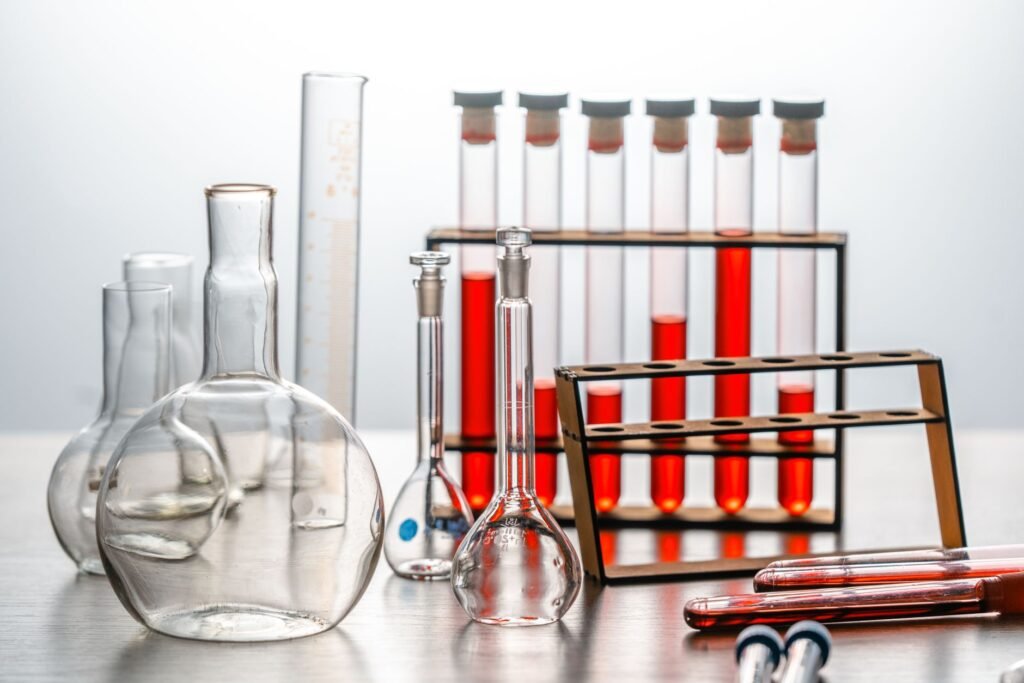
The technical texture is the other reason viewers assume a true story. The production did consult professionals. A senior DEA chemist helped set up the RV lab, and Bryan Cranston has described DEA chemists walking the cast through the process. The chemist Donna Nelson advised on the science across the run.
The consultation ran in an unusual direction, though. Gilligan was insistent that the show not function as an instruction manual, so steps were deliberately omitted and the on-screen method switches between approaches in a way that does not work. The result looks right and is not right, which is the correct way to make a drama about manufacturing a controlled substance. Accuracy in the props and the vocabulary is not evidence of a real case underneath.
A five season arc is a structure, not a report
The final reason to answer no cleanly is shape. Real criminal careers do not escalate in clean stages with a reversal at the end of each year. Walter’s transformation is engineered, beat by beat, to complete an argument the creator stated before the pilot aired. True crime rarely cooperates like that. When a story arrives too well made, that is a sign of authorship, not of documentation.