
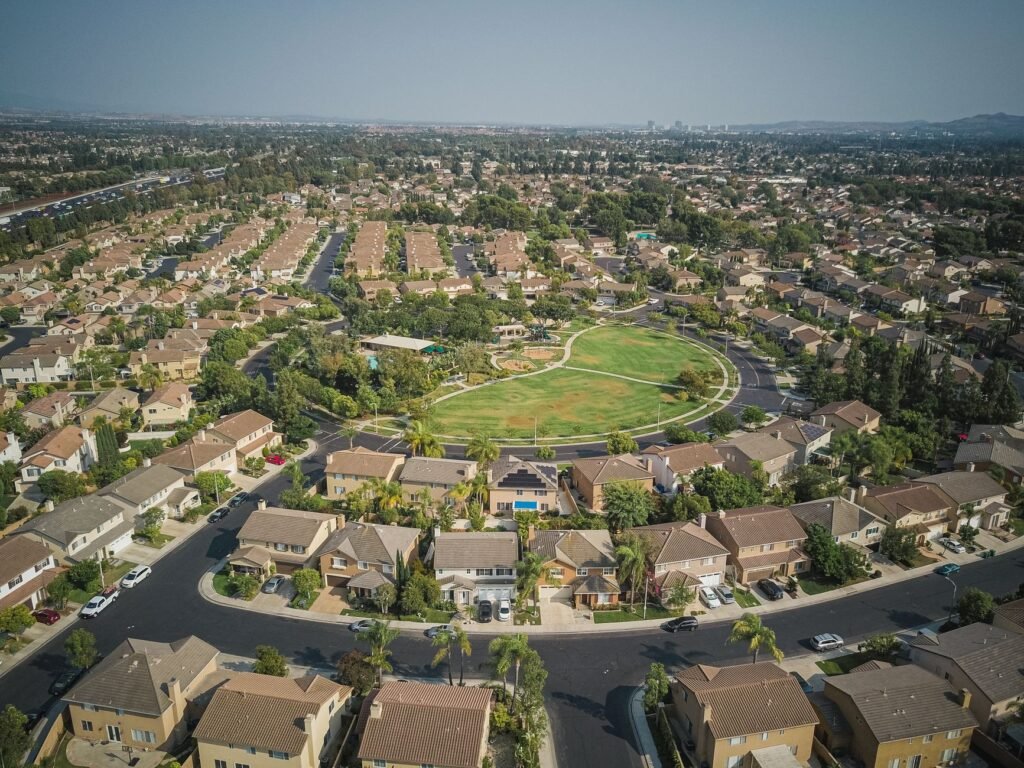
No. Both seasons of Them are original fiction. The Emory family in season one and Detective Dawn Reeve in season two were written for the show, and neither season retells a documented case. The history the seasons are built on is real, and season one names it in its subtitle: Covenant.
Little Marvin’s anthology, season by season
| Question | Answer |
|---|---|
| Based on a true story? | No, original anthology fiction |
| Based on a book? | No |
| Created by | Little Marvin |
| Service | Amazon Prime Video |
| Lead cast (season one) | Deborah Ayorinde, Ashley Thomas, Alison Pill, Shahadi Wright Joseph, Melody Hurd |
| First shown | 9 April 2021 |
| Setting | Season one: East Compton, 1953. Season two: Los Angeles, 1991 |
An anthology, not a case file
Them is structured as an anthology, which is itself a clue. Season one, Covenant, follows the Emorys as they leave North Carolina for a house in East Compton in 1953. Season two, The Scare, jumps to 1991 and follows an LAPD homicide detective working a killing that has unsettled the department. Deborah Ayorinde leads both, playing a different woman each time.
A series that dramatizes real events does not usually reset its cast and century between seasons. Anthologies are built to reuse a theme, not to follow a record. The theme here is what a Black family or a Black professional absorbs from a hostile environment, and the show chooses two eras to test it in.

The covenant in the title is a real thing
Racially restrictive covenants were clauses written into property deeds barring sale or occupancy by people who were not white. They were widespread across American suburbs, including in Los Angeles County, and they shaped which neighbourhoods a family could buy into regardless of what they could afford. The United States Supreme Court ruled in 1948 that courts could not enforce them, which stopped the legal machinery without immediately stopping the practice or the private enforcement that followed it.
That is the actual subject of season one. The horror premise, a house that turns on its occupants, is a way of dramatizing a neighbourhood that does. Nothing supernatural in it is real. The pressure it is describing was.
Why 1953 and why Compton
The Emorys move as part of the Second Great Migration, the wave of Black families who left the South for western and northern cities from the 1940s onward. Los Angeles absorbed a large share of that movement, and the reception in white suburbs around the city is a documented and frequently ugly piece of local history.
Choosing Compton for 1953 is pointed, because most viewers know the area’s later reputation and not its earlier one. In the early 1950s it was a white suburb, and the demographic change that followed was neither accidental nor peaceful. Setting the season at that hinge lets the show work on a fact many of its viewers will not arrive knowing.
The 1991 season changes the question
The Scare is set in Los Angeles in 1991, a year that carries enormous weight in the city’s history and in American policing. The season leans on that, putting a Black detective inside the department during a period when the department’s conduct was about to become a national argument.
The case she is investigating is invented. No real homicide sits behind it. What the season borrows is the atmosphere of a city about to come apart, which is why the season reads as more grounded than season one even though both are equally fictional. Pinning invented events to a real year does not convert them into a true story, and The Scare is about as plain a demonstration as you will find.
Where the horror stops being metaphor
Both seasons include sequences of extreme violence, and season one in particular drew serious criticism for a scene many viewers felt crossed from depiction into spectacle. That debate is worth knowing about before you start, and it is a separate issue from accuracy.
The thing to keep straight is what is carrying what. The supernatural element is authored and has no historical referent at all. The social element, the covenant, the neighbourhood campaign, the professional isolation, tracks real documented conditions closely enough that the show does not need to invent them. When Them frightens people it is usually the second layer doing the work, and that is the layer people are really asking about when they search for a true story.