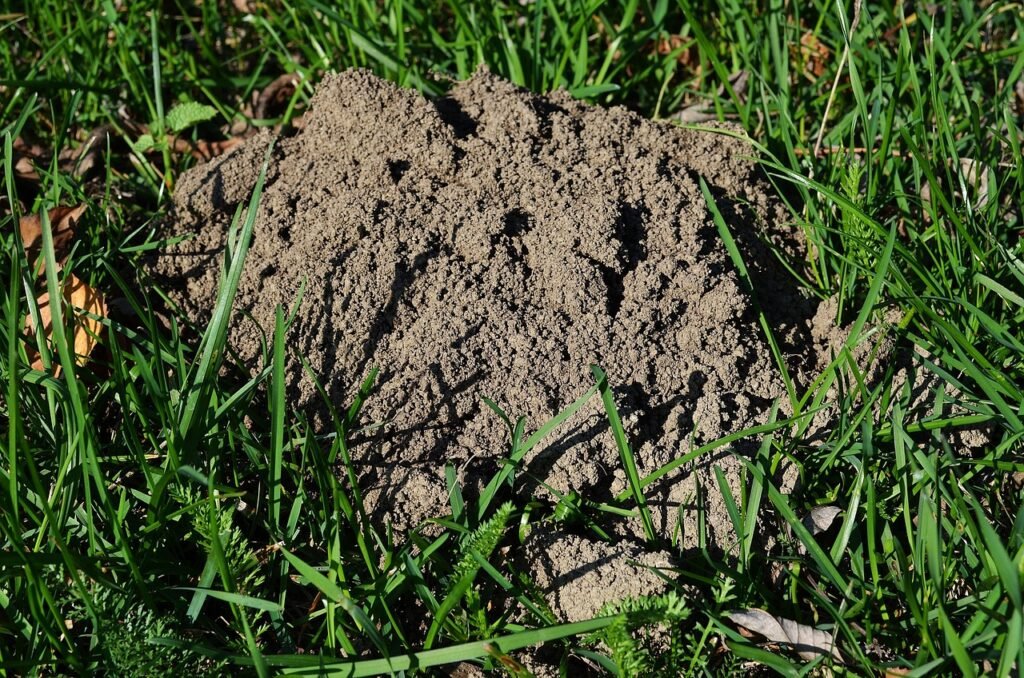
The answer is GOPHER, six letters. Pocket gophers dig extensive tunnel systems across North and Central America, and the word has answered this exact clue in the LA Times, Newsday and the syndicated Thomas Joseph puzzle. A four-square slot usually takes VOLE, while GERBIL and MARMOT fight over six.
The pocket in pocket gopher is a real pouch
The true gophers make up a single family, Geomyidae, with roughly 41 species, all native to North and Central America. Their defining feature is the one in the name: fur-lined cheek pouches that run from the side of the mouth well back onto the shoulders and can be turned inside out. Every species digs a network of tunnels, which gives it both protection and a way of collecting food, and the entrances can be spotted by the small piles of loose soil covering them.
The word itself is American, recorded in 1812, and nobody is sure where it came from. One suggestion is Louisiana French gaufre, meaning honeycomb or waffle, for the pattern the burrows make, but etymologists treat that as a possibility rather than a settled history.
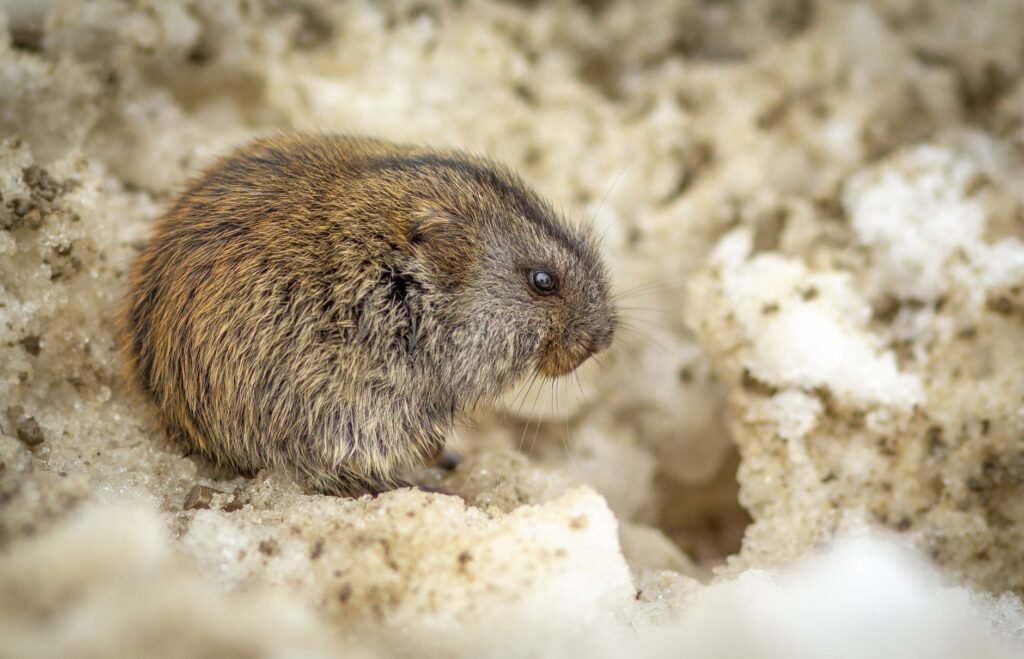
Gopher is a nickname for other animals too
Outside that family, several ground squirrels are often called gophers as well, even though they belong to the squirrel family and are only distantly related. The Golden Gopher of the University of Minnesota’s teams refers to the thirteen-lined ground squirrel, not a pocket gopher. The word also became a nickname for people from Arkansas by 1845 and from Minnesota by 1872.
None of that changes the grid, and it may even help. Clues that add American or North American to burrowing rodent have repeatedly wanted GOPHER, which makes sense, since all of the roughly 41 true species live in North and Central America.
VOLE and MOLE differ by one square
At four squares the usual answer is VOLE, which has answered this exact clue in both the New York Times and the LA Times. The word is short for vole-mouse, recorded in 1805 and meaning literally field mouse, with the first part probably from an Old Norse word for field.
MOLE is the trap. It fills the same slot and differs from VOLE only in the first square, and at least one published puzzle has accepted it for this clue. But a mole is not a rodent. Moles belong to the family Talpidae and are grouped with shrews and hedgehogs, and they eat earthworms and other small invertebrates. If a crossing hands you M, take MOLE and move on; if it hands you V, the puzzle has the zoology right.
MOLERAT, seven letters, is a genuine rodent. The name covers several groups of burrowing Old World rodents, and the best known, the naked mole-rat of East Africa, can live longer than any other rodent, past 37 years. The New York Times used MOLERAT for this clue in September 2026.
Rodent fills sorted by square count
Find the length, then look in the clue for a hint about pets, deserts or America:
| Letters | Answer | When it fits |
|---|---|---|
| 4 | VOLE | The standard short answer |
| 4 | MOLE | Occasionally allowed, though not a rodent |
| 4 | PACA | Digs burrows in Central and South America |
| 6 | GOPHER | The default, or any hint of America |
| 6 | GERBIL | Pets or deserts in the clue |
| 6 | MARMOT | Groundhog or woodchuck in the clue |
| 6 | AGOUTI | A relative of the guinea pig |
| 7 | HAMSTER | Pet wording |
| 7 | MOLERAT | Africa, or a naked rodent |
Splitting the four six-letter rodents
Four rodents take six squares, and the first letter is less help than you would hope, because GOPHER and GERBIL both open with G. The second square is the one to chase: O means GOPHER, E means GERBIL, A means MARMOT and G means AGOUTI.
MARMOT earns its place because the groundhog, also called the woodchuck, is a marmot, a large ground squirrel that digs dens with several entrances and hibernates in them. GERBIL tends to arrive with pet or desert wording. A group of Mongolian gerbils lives in a central burrow with ten to twenty exits, and gerbils became popular pets in the United States around the late 1950s.