
The answer is TIBIA, five letters. The tibia is the shinbone, the larger and stronger of the two bones between the knee and the ankle, and it is the most frequent fill for this wording. FEMUR takes the same five squares, though, so get one crossing before you commit.
TIBIA or FEMUR in a five-square slot
Four bones answer this clue, one at each length except five, where two compete. SHIN, which is also a plain name for the tibia, takes four squares, FIBULA takes six, and TIBIA and FEMUR share the five-square slot. They could hardly be more different on paper: T, I, B, I, A against F, E, M, U, R, with no letter in common in any position, so every crossing is decisive.
Frequency favors TIBIA, which accounts for about half of all the appearances of this clue in the crossword database we checked, roughly three times as many as FEMUR. Its three vowels make it an easy entry to cross, and a pattern with I in the second and fourth squares can only be TIBIA. A U or R near the end means FEMUR.
Both bones also turn up under many other wordings. TIBIA answers fibula neighbor, knee-to-ankle bone, bone below the femur and second-longest human bone, while FEMUR answers thighbone, longest human bone and largest bone in the body. Any of those phrasings settles the five-square tie before you need a crossing.
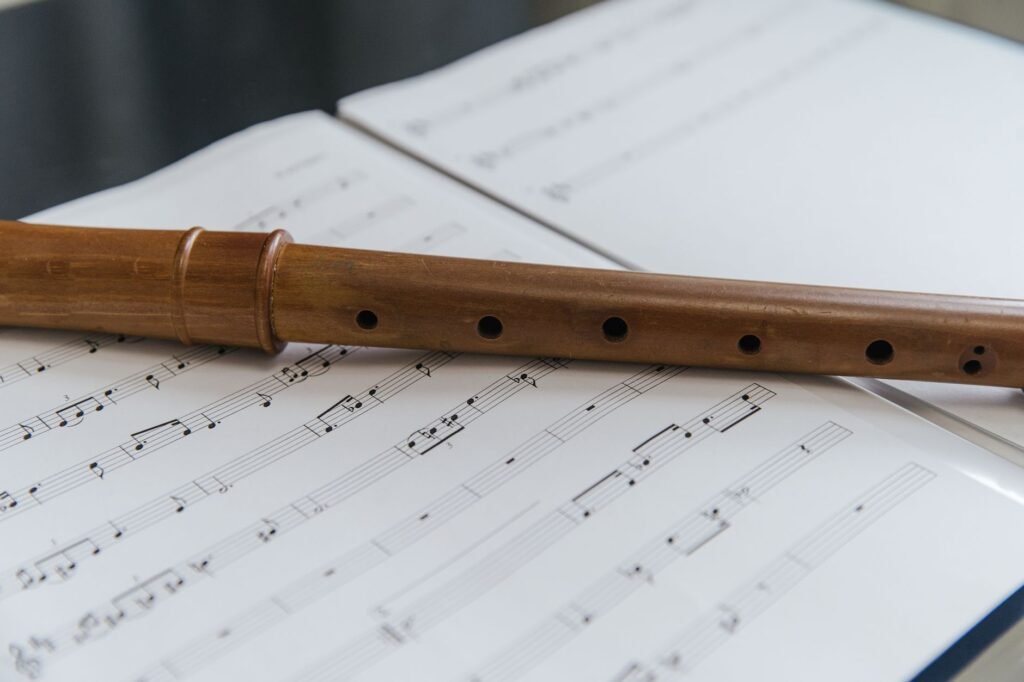
The Latin tibia was also a pipe
English took the word from Latin in the late fourteenth century, and the Latin word did two jobs. Tibia meant the shinbone, and it also meant a pipe or flute. In ancient Rome the tibia was a wind instrument, the counterpart of the Greek aulos, and it was made from materials that were naturally hollow or could be hollowed out: reed, cane, boxwood, horn, metal, and the shinbones of some birds and animals.
Which sense came first is not settled. The Online Etymology Dictionary lists pipe or flute as the earlier Latin meaning, originally one made of bone, while also citing a suggestion that the original meaning was stalk or shinbone. The word has no accepted deeper origin, so the neat story of a bone flute naming a bone remains a possibility rather than a fact.
Fibula means a clasp
The six-letter answer has an odder history. In Latin a fibula was a clasp, buckle or brooch, related to the verb figere, to fasten, and English used the word in that sense first, in the 1670s. The anatomical meaning followed around 1706, and the explanation usually given is that the slender bone beside the tibia resembles the pin of a clasp, something like a modern safety pin. Archaeologists still call ancient garment pins of that design fibulae, so the word leads a double life.
What each bone does below the hip
The femur is the thighbone, the thigh’s only bone and the biggest in the whole skeleton. Below the knee there are two. The tibia is the larger, stronger and more frontal of the pair, forms the weight-bearing part of the knee joint, and is the second largest bone in the body. The fibula runs along the outer side, carries no significant share of body weight, anchors several muscles, and extends past the end of the tibia to form the outer part of the ankle, which steadies that joint.
The kneecap is a separate bone again, the patella, and it answers its own clue. If the wording says kneecap rather than leg, the seven-square PATELLA is what the grid wants.
Singular, plural and kneecap fills
| Letters | Answer | When it fits |
|---|---|---|
| 4 | SHIN | Four squares, a plain name for the tibia |
| 5 | TIBIA | The lead answer |
| 5 | FEMUR | Thighbone, no overlap with TIBIA |
| 5 | SHINS | Plural clue, leg bones |
| 6 | FIBULA | Slender outer bone |
| 6 | TIBIAE | Plural clue, Latin ending |
| 6 | TIBIAS | Plural clue, English ending |
| 7 | FIBULAE | Plural clue, Latin ending |
| 7 | FIBULAS | Plural clue, English ending |
| 7 | PATELLA | Kneecap wording |
The plural clue needs care, because both plurals are legitimate. TIBIAE and TIBIAS, like FIBULAE and FIBULAS, part ways only at the final letter, E or S, so leave that box empty until the word running through it supplies the letter.
Frequently asked questions
Is the answer TIBIA or FEMUR?
Both take five squares and they share no letter in any position, so any crossing decides. TIBIA, the shinbone, has appeared about three times as often for this clue. FEMUR, the thighbone, is right when a crossing gives you F, E, M, U or R in its place.
What is the six-letter leg bone?
FIBULA, the slender bone on the outer side of the lower leg. Its name is the Latin word for a clasp or brooch, and it was applied to the bone around 1706 because the bone was thought to resemble the pin of a clasp.
What does tibia mean in Latin?
Tibia meant the shinbone, and it also meant a pipe or flute. The Roman wind instrument called the tibia was the counterpart of the Greek aulos and was sometimes made from the shinbones of birds and animals, though which sense came first is not settled.