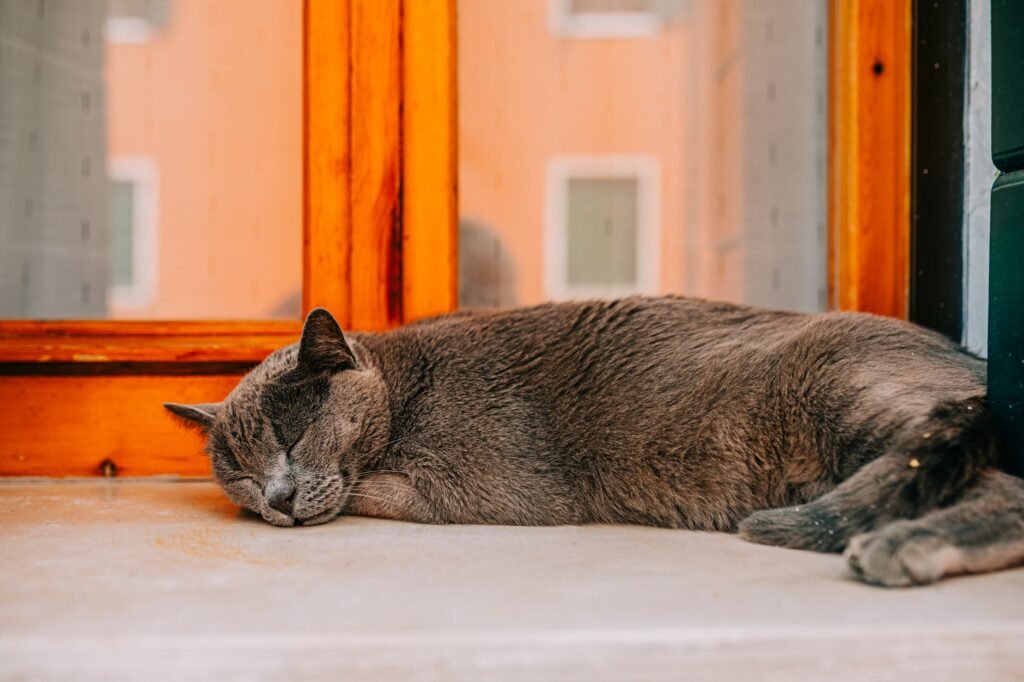
The answer is ENNUI, five letters. It names a weary, bored dissatisfaction, and it is the answer grids reach for first when the clue is simply Listlessness. Six squares usually mean TORPOR or APATHY, seven LANGUOR or MALAISE, eight LETHARGY and nine LASSITUDE, so the length does most of the sorting for you.
Listless once meant lacking desire
The clue word hides an old verb. Listless joins the suffix -less to a Middle English word, liste, meaning pleasure or delight, which is tied to an old verb list, to please or to desire. Built that way, the word describes a missing appetite for doing things rather than missing strength. The old verb survives in one famous line of the King James Bible, the wind bloweth where it listeth, meaning wherever it pleases.
Keep that in mind, because it explains why ENNUI suits the clue so well. The clue describes a failure of wanting, and ennui is exactly that: boredom with a sour edge, the flatness of finding nothing worth the effort. The spelling helps as well: E, N, N, U, I puts three vowels in five squares, with the doubled N sitting at the center.
Ennui and annoy are one word borrowed twice
ENNUI came from French, and so, centuries earlier, did annoy. Both trace back to Old French, where enui meant annoyance, and further back to a Latin phrase, in odio, used for something being hateful to someone. English took annoy in the late thirteenth century, with meanings running from harm to vexation. Then, in the 1660s, it borrowed the French noun a second time as ennui, with a quieter meaning, and had fully adopted it by the 1750s.
So the pairing is closer than it seems. Annoyance is the active irritation, and ennui is the long, passive form of the same discomfort, the sense that everything is slightly tiresome. A clue that wants irritation will not accept ENNUI; the word only fits the slow, bored end of the scale.
Where each tired word fits the grid
| Letters | Answer | Shade of meaning |
|---|---|---|
| 5 | ENNUI | Bored dissatisfaction, the default |
| 5 | SOPOR | Deep, heavy sleep, the root of soporific |
| 6 | TORPOR | Physical sluggishness, near dormancy |
| 6 | APATHY | An absence of feeling or concern |
| 7 | LANGUOR | Dreamy, pleasant weakness |
| 7 | MALAISE | A vague sense that something is wrong |
| 8 | LETHARGY | Drowsy, heavy inactivity |
| 9 | LASSITUDE | Weariness of body or mind |
| 11 | SPRINGFEVER | Seasonal laziness, in a long slot |
Pairs of equal length are easier to split than they look. TORPOR and APATHY never match square for square, T against A at the start and R against Y at the finish, so whatever crossing you have will separate them. LANGUOR and MALAISE line up only at the A in slot two; the other six squares all disagree. At five squares, SOPOR and ENNUI have nothing in common, which makes the short slot the easiest one to confirm.
Torpor is how a hummingbird gets through the night
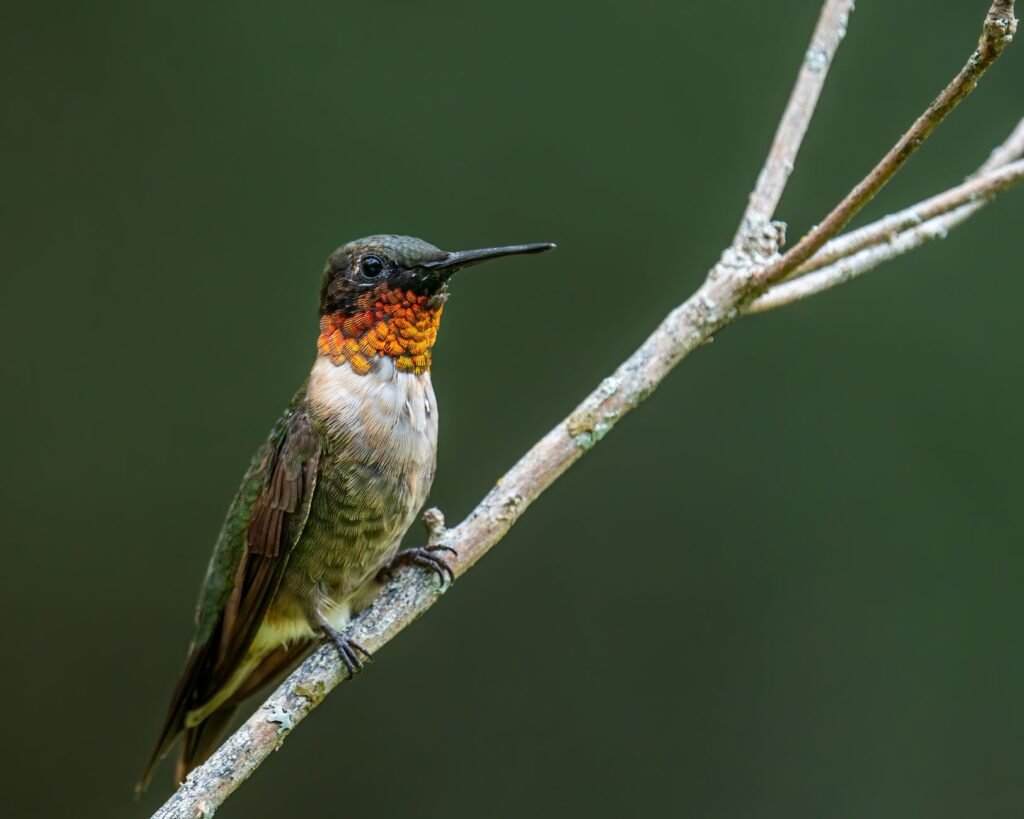
TORPOR looks like a synonym for laziness, but biologists use it for a specific survival state. Hummingbirds burn energy so fast that many drop into torpor overnight, letting body temperature and metabolism fall sharply to conserve fuel until morning. The word comes from Latin torpere, to be numb or sluggish, and it has a surprising relative. The Romans called the electric ray torpedo because its shock numbs whatever touches it, and the fish’s name was later given to a naval weapon, first to floating mines and eventually to the self-propelled kind.
Lethargy borrowed a river of forgetting
LETHARGY reaches back to Greek lethargia, forgetfulness. The word appears to combine lethe, a forgetting, with argos, idle, so it describes inactivity that comes from a kind of oblivion. In myth, Lethe was also the river of the underworld whose water made the dead forget. English has used lethargy since the late fourteenth century for a prolonged torpor, an inertness of body or mind.
That history helps keep the long answers straight. LETHARGY is heavy and drowsy. LASSITUDE, from Latin lassus, faint or weary, is plain tiredness. LANGUOR has a softer, almost pleasant quality, the slow summer afternoon rather than exhaustion. MALAISE is the odd one out, a vague unease more than a lack of energy. SPRINGFEVER, the eleven-letter entry, is the only one tied to a season, a feeling of restlessness, excitement or laziness brought on by the coming of spring.