

The answer is GRAB, four letters. Seize runs across three separate areas of life, and each one drags a different set of fills behind it. GRAB is the default for a plain clue and four squares, NAB covers three, and five squares usually means WREST or USURP. Count first, then work out which sense the wording is in.
Three senses hiding in one five letter clue
The physical sense is hands closing on an object: grab, snatch, clutch. The legal sense is an authority taking property away from its owner: impound, confiscate, arrest. The political sense is taking something that belongs to someone else, usually power or territory: usurp, annex, commandeer. A bare “Seize” with no qualifier is almost always the physical one, which is why short everyday fills dominate this clue. The moment the wording adds a word like power, throne, office, contraband or goods, the family shifts and the entry gets longer.
The legal sense that never left the word
Seize arrived in English from Old French, and its earliest English uses were about land rather than hands. To seize someone of a property was to put them lawfully in possession of it, an inversion of everything the word suggests today. That older sense is still alive in English property law, which keeps the spelling seised and the noun seisin for possession of a freehold. It survives outside the law too, in the slightly formal construction about a court or a committee being seised of a matter, meaning it has the thing in front of it and has taken charge.
The everyday meaning of taking by force came later and pushed the possession sense to the margins, but both are still in play. That is why seizure can mean a police confiscation on one page of a newspaper and a medical event on the next.
Seizing that has nothing to do with taking
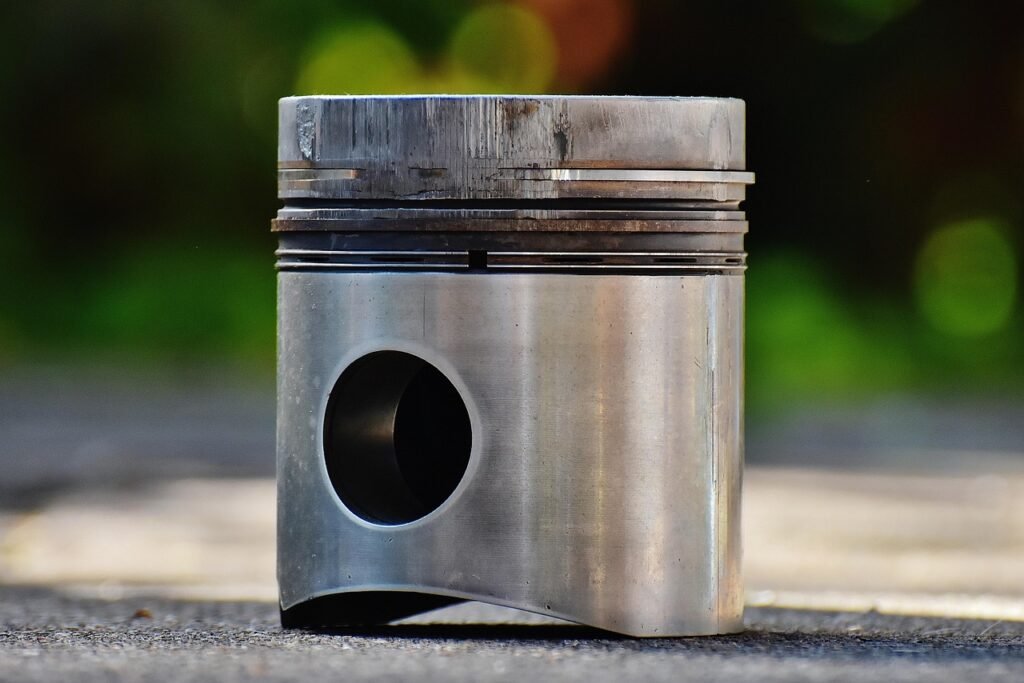
An engine seizes when lubrication fails. Metal runs against metal, friction heats the parts, the heat makes them expand, and eventually they lock together hard enough to stop the engine dead. Nothing has been taken; the word is describing a grip. The same image sits behind the medical noun, and English has a whole shelf of illness words built the same way, describing sickness as something that takes hold of a person: attack, stroke, fit, seizure. Crossword clues about engines, locks and joints are using this branch, so the answer will be about sticking rather than stealing.
Longer entries when four squares will not do
| Letters | Answer | What triggers it |
|---|---|---|
| 3 | NAB | Informal wording, often about catching a person |
| 4 | GRAB, TAKE | Plain wording with no other signal |
| 5 | WREST | Taking something away from resistance |
| 5 | USURP | A throne, an office or a role |
| 5 | ANNEX | Territory |
| 6 | SNATCH, ARREST | Sudden physical taking, or police wording |
| 7 | CAPTURE, IMPOUND | Prisoners, or vehicles and goods |
| 10 | CONFISCATE | Official wording |
| 11 | COMMANDEER | Military or emergency requisition |
Crossings that separate GRAB from TAKE
These two are the reason a four square Seize can stall you. Both fit the definition, both read naturally, and neither is wrong in isolation. Tone breaks the tie more often than meaning does. TAKE is neutral and works for abstractions, which is why it suits wording about seizing a chance or seizing the moment. GRAB adds speed and a hint of rudeness, so any clue carrying suddenly, quickly or hastily leans that way. When the tone gives you nothing, solve a crossing entry instead of guessing, because G and B are distinctive letters and the first crossing you finish will settle it.
Check the form of the clue too, since it is free information that solvers routinely skip. Seized is past tense, so the entry has to be past tense as well, giving GRABBED or TOOK. Seizes is third person singular and gives GRABS. Seizing wants the participle, GRABBING, and that extra weight often explains a slot that looked impossibly long for such a simple definition. Getting this habit right costs nothing and saves whole corners, because it lets you work out the last two or three letters of an entry before you know the word at all.
Frequently asked questions
What is the three letter answer for Seize?
NAB. It carries an informal, often police flavored tone and usually turns up when the clue is about catching a person rather than taking an object.
Does Seize, as an opportunity change the answer?
Yes. That phrasing pushes you toward TAKE rather than GRAB, because the object is abstract and English pairs take with chances and moments far more naturally.
Why does USURP appear so often in grids?
USURP is not a general synonym for seize. It specifically means taking a position that belongs to someone else, so setters reach for it whenever the clue mentions a throne, a crown or an office.