The answer is NORM, four letters. It covers the everyday sense of standard, the level people expect, and the New York Times Midi used it to answer Standard in September 2026. PAR is the three-square alternative, while FLAG and ENSIGN answer the military sense and OLDIE the musical one.
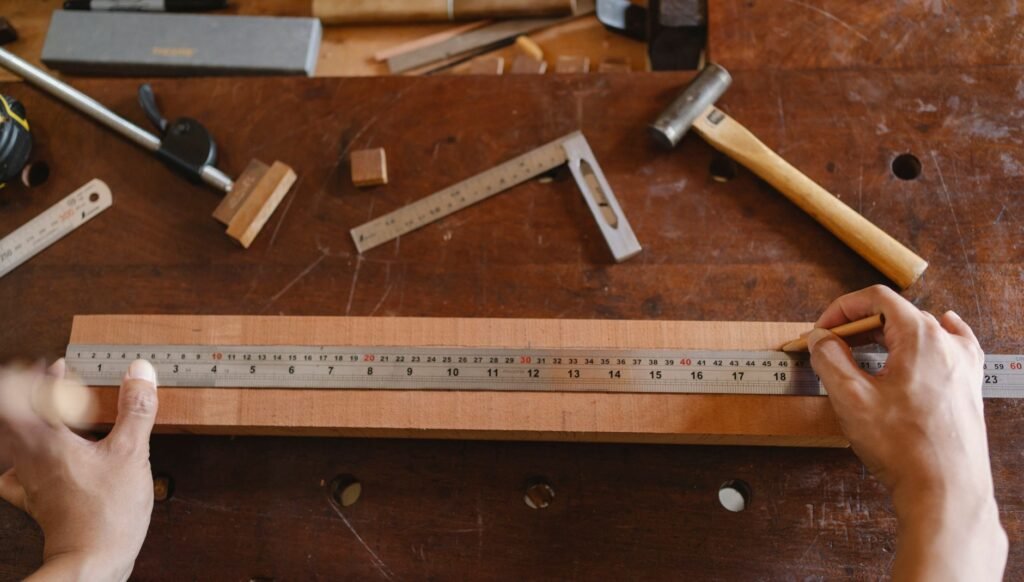
A norm was a carpenter’s square
NORM reached English in 1821 from the French norme, and behind that sits the Latin norma, a carpenter’s square. In Latin the word already meant a rule or pattern as well as the tool. English borrowed norma directly for the square in the 1670s, and a small southern constellation drawn up in the eighteenth century by the French astronomer Nicolas-Louis de Lacaille still carries the name Norma, a reference to the right angle.
NORMAL comes from the same Latin, and in geometry it still means perpendicular, a sense recorded from the 1640s. The teacher-training colleges once called normal schools took the name from the French école normale, on the idea of serving to set a standard, and the town of Normal, Illinois was named in 1857 for the normal school established there.
The first standard was a battle flag
The oldest English standard is a banner. From the mid-1100s it meant a flag or other conspicuous object raised in battle as a rallying point, from the Old French estandart. One theory traces that to a Frankish compound meaning stand fast, because the flag was fixed to a pole and planted upright. A competing theory links it to the Latin extendere, to stretch out, so the origin is genuinely disputed.
How a banner became a measure is unclear too. Official weights and measures were set by royal ordinance and known by the fourteenth century as the king’s standard, and one theory holds that the banner of the crown came to represent royal authority over them. By the late 1300s a standard could be the weight or instrument that others were checked against. The older banner sense is why FLAG and ENSIGN still answer this clue.
ENSIGN has a double life of its own. It came from the Old French enseigne, a mark or flag, from the Latin insignia, and by the 1510s the soldier who carried the flag was an ensign too. In the United States Navy the word has named the lowest commissioned rank since 1862.
Which standard fits your blanks
Count the squares, then decide whether the clue means a level, a flag or a song.
| Letters | Answer | Sense in play |
|---|---|---|
| 3 | PAR | Golf, or an expected level |
| 4 | NORM | The everyday default |
| 4 | FLAG | The banner sense |
| 5 | USUAL | Adjective, as in the usual order |
| 5 | MODEL | An example to copy |
| 5 | OLDIE | A song that has lasted |
| 6 | NORMAL | Adjective, conventional |
| 6 | ENSIGN | A military or naval flag |
| 7 | DEFAULT | Settings and options |
| 7 | OLDSONG | Two words, the song sense |
| 8 | ORTHODOX | Accepted belief or practice |
| 9 | BENCHMARK | A reference point |
| 9 | CRITERION | A test for judging |
| 10 | TOUCHSTONE | The gold tester’s stone |
Benchmark and touchstone were real objects
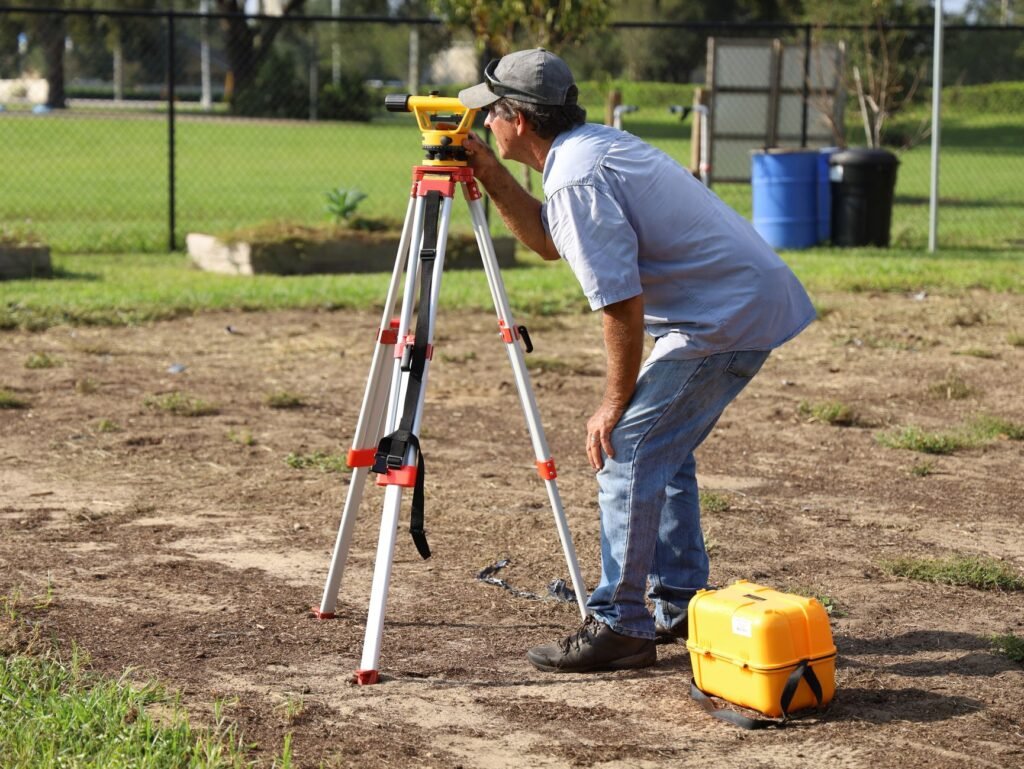
Several long answers began as physical tools. A benchmark was a surveyor’s mark, recorded from 1838, and the name refers to an angle iron set in place as a support, or bench, for the leveling staff. The figurative sense, a standard to measure against, followed in 1884. A touchstone was a fine-grained black stone used to test gold and silver. The metal was rubbed across it and the streak compared against needles of known composition, and the word had its figurative meaning by the 1530s.
PAR has a money story. It meant equality of value, including the value of one currency against another, from the 1620s. The golf sense is recorded by 1898, and par for the course, meaning what you would expect, followed by 1928.
Standard as a song that lasts
In music a standard is a composition of established popularity, the kind of song many different performers record over the years, and jazz is full of them. Grids answer that sense with OLDIE at five squares, and a Thomas Joseph puzzle has used the two-word OLDSONG at seven. If the clue mentions a crooner, a songbook or a jazz combo, drop NORM and think music.
Frequently asked questions
Is the answer NORM or PAR?
Count the squares. PAR takes three and NORM takes four, and both mean an expected or usual level. PAR leans toward golf and finance, where it names a set score or a face value, while NORM is the general word for what counts as normal.
Why is ENSIGN an answer for standard?
A standard was a battle flag long before it was a measure, a sense English has had since the 1100s. ENSIGN is another word for a flag, especially one flown by a ship or carried by troops, so a clue with a military or naval flavor points at ENSIGN or FLAG.
What does standard mean in music?
A standard is a song of lasting popularity that many performers have recorded over the years, the way jazz musicians keep returning to the same tunes. Crosswords answer that sense with OLDIE at five squares, and one puzzle has used the two-word OLDSONG at seven.