The answer is ABATE, five letters. Setters reach for it when a storm, an argument or a noise is dying down, and English has used it in that sense since the early fourteenth century. Three squares want EBB, four can be EASE or WANE, and six can be RECEDE or LESSEN.
Subside meant sinking before it meant calming
The Latin source, subsidere, meant to sit down, settle, sink or fall, and the first English uses in the 1680s described objects sinking to the bottom. The calmer senses came afterward: feelings subsiding, floodwater subsiding, a storm subsiding. Geologists and engineers still use the older meaning. Subsidence is the ground itself sinking, and the U.S. Geological Survey lists groundwater pumping, underground mining and the draining of organic soils among its main causes.
Subsidy grew from the same verb. Its Latin ancestor, subsidium, could mean troops held in reserve as well as help in general, and English kept the help.
That split between sinking and calming is useful at the grid. Wording about water, tides or ground points at the sinking family, which includes EBB, RECEDE and SINK. Wording about weather, anger or pain points at the calming family, where ABATE, LETUP and DIEDOWN belong.
Abate is a word for knocking things down
ABATE came into English from Old French abatre, to beat down, strike down or fell. The violent sense faded in English, but it survives in a French relative, abattoir, a slaughterhouse. In English the word drifted toward reducing and ending, which is why the law still speaks of abating a nuisance, meaning putting a stop to it, and why local governments grant tax abatements, reductions in what a property owner would otherwise owe.
A clipped form hides in a familiar phrase. Bate, a shortening of abate, meant to lessen or reduce, so waiting with bated breath means breathing that is subdued or cut short. Shakespeare used the phrase in The Merchant of Venice, and the common misspelling, baited breath, has nothing to do with fishing. BATE itself sometimes fills four squares for this clue.
Subside answers from three squares to seven
| Letters | Answer | Best match for |
|---|---|---|
| 3 | EBB | Tides, floods, anything flowing back |
| 3 | SAG | Something sinking in the middle |
| 4 | EASE | Pressure or discomfort lessening |
| 4 | WANE | Slow fading, as the moon does |
| 4 | SINK | Ground or water level dropping |
| 5 | ABATE | The default for storms, noise and anger |
| 5 | LETUP | Rain or effort slackening |
| 6 | RECEDE | Water pulling back from land |
| 6 | LESSEN | Plain reduction in amount or force |
| 7 | DIEDOWN | Wind, applause or a fire fading out |
| 7 | SLACKEN | A pace or a rope loosening |
SETTLE is another six-letter possibility, and it sits closest to the original Latin sense of sinking to rest.
EBB belongs to the tide and WANE to the moon
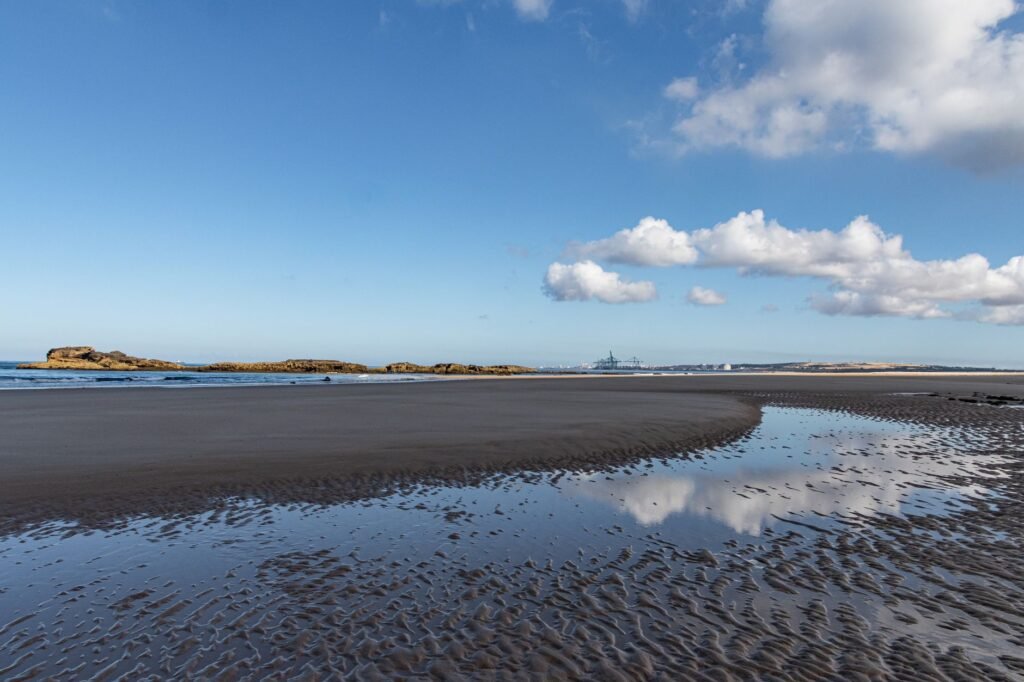
The two short fills each carry a picture. EBB goes back to an Old English noun for the falling of the tide, and the Old English verb built from it meant to flow back or subside, which makes it close to a word-for-word match for the clue. The ebb is the outgoing half of the tidal cycle and the flood is the incoming half, and the figurative sense of gradual decline dates from the late fourteenth century. It is how a person, a team or a business ends up at a low ebb.
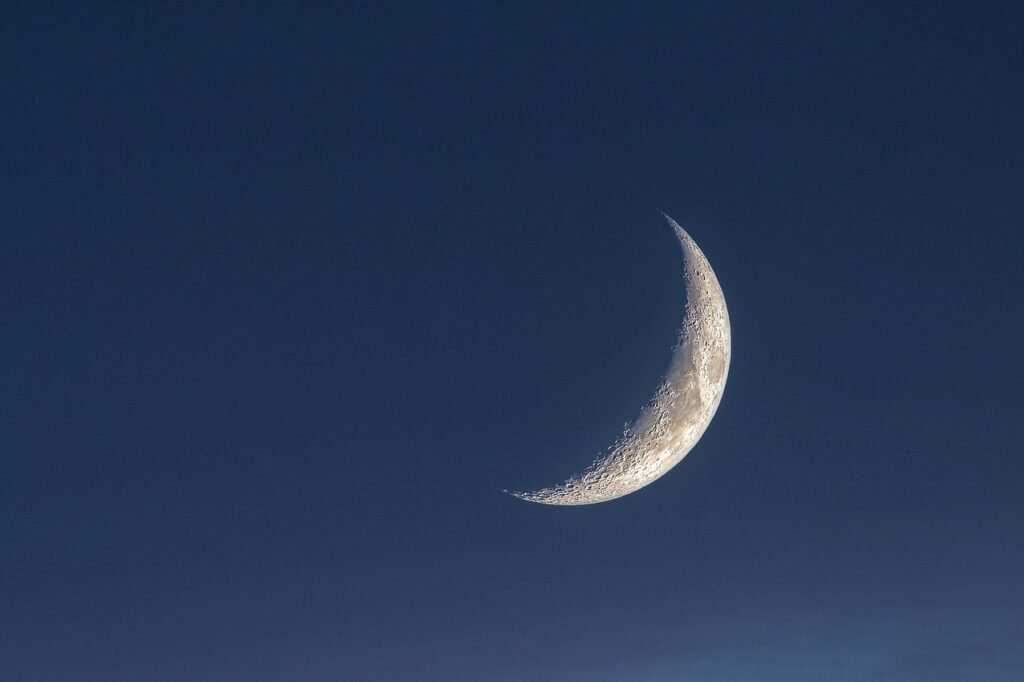
WANE comes from an Old English verb meaning to grow smaller by degrees, and its strongest modern link is to the moon, which waxes toward full and wanes toward new. That built-in gradualness is the signal to use it. A storm that stops within an hour abates, while interest in a fad wanes over months.
When five squares could be ABATE, LETUP or LAPSE
ABATE shares its length with LETUP and, in some puzzles, LAPSE, but the three barely overlap. A crossing in the second, third or fourth square picks one immediately. The first square only tells you whether you have ABATE or one of the two L words, and the last square only rules LETUP in or out, since ABATE and LAPSE both end in E. If the down entries have handed you only the ends, solve a middle crossing before you ink anything. LETUP goes into the grid as one word even though it is the phrasal verb let up in speech.