
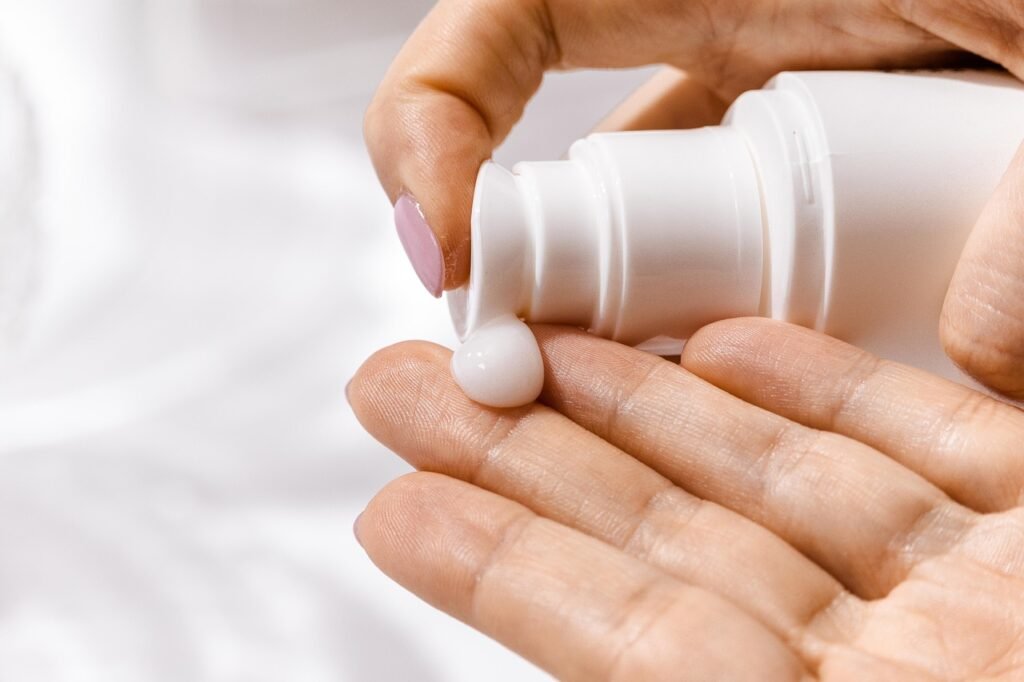
Sunscreen sold in the United States is required to stay stable for at least three years, and the FDA advises discarding a bottle with no printed date three years after you bought it. Heat is the bigger variable in practice. A bottle that lives in a hot car ages on a completely different schedule.
Where that date actually comes from
Sunscreen is regulated as an over the counter drug in the United States, not as a cosmetic. That classification is why the packaging carries a drug facts panel listing active ingredients, and why manufacturers must show their product holds its stated strength through a defined shelf life. If a date is printed on the tube, that is the manufacturer’s commitment, and it applies to a bottle stored the way the label describes.
The active ingredients are the part that matters. Filters suspended in a lotion are chemistry sitting in an emulsion, and chemistry responds to heat, light and time. The rest of the formula can separate too, which is why an old bottle sometimes pours out watery or grainy no matter how well you shake it.
Heat is what really ages a bottle
A closed car in summer becomes an oven, and a glovebox is worse than the seat. The same logic applies to a bag left on hot sand in direct sun for an afternoon, repeated across a whole season. None of that shows up as a change you can see, which is exactly why it gets ignored.
| Where the bottle lived | What that means | Practical call |
|---|---|---|
| Indoor cupboard, room temperature | Storage the label assumes | Use through the printed date |
| Beach bag, repeated sun exposure | Many heating cycles | Replace ahead of the date |
| Car glovebox or trunk all summer | Sustained high heat | Replace, do not save it |
| Opened last year, stored indoors | Normal aging | Check the date, then decide |
| No date anywhere on the package | Unknown age | Three years from purchase |
Storing it in the shade under a towel or inside a cooler at the beach costs nothing and removes the single worst stressor a bottle faces.
Signs a bottle should be retired
- Separation that will not remix. A watery layer that stays separate after a hard shake means the emulsion has broken.
- Texture change. Grit, clumps, or a lotion that has gone noticeably thinner or thicker than you remember.
- Color or smell drift. Yellowing, or a sharp chemical note replacing the original scent.
- A date that has passed. The simplest test on the list, and the one most people never look for.
Why most bottles should never reach the date
Applied at the quantity the label directs, and reapplied as the label directs, a bottle gets used up faster than most households expect. A tube that has survived three summers in the cabinet is usually evidence of under application rather than evidence of good storage.
Treat a sunscreen bottle as seasonal stock. Buy what the household will actually use, write the purchase month on the bottle in marker so the three year rule is usable, and toss anything that spent a summer riding around in a car. For the regulatory details and the current labeling requirements, the FDA publishes consumer pages on sunscreen that are worth reading once rather than relying on what a bottle looked like to you in the store.