Photo: stocksnap · CC0
Traditional hummus is built on chickpeas, which are a legume and carry meaningful carbohydrate, so it is a difficult fit for a strict keto plan in normal portions. A very small scoop may fit inside a daily limit. A plate of it with pita almost certainly will not. The label decides.
Why Chickpeas Are the Sticking Point
Keto eating is defined by a carbohydrate ceiling. Whatever number a person sets for the day, every food is judged against it. The other ingredients in hummus are not the issue at all. Tahini, olive oil, lemon juice, garlic and salt contribute very little carbohydrate. Chickpeas do, because legumes store energy as starch, and starch is carbohydrate no matter how smooth you blend it.
That is why hummus sits in an awkward middle ground. It is not a high carb food in the way bread is, but it is not a free food either. Two things decide whether it fits: how strict the daily ceiling is, and how honestly the portion is measured.

How to Read the Tub Yourself
- Turn the container over and find the Nutrition Facts panel.
- Look at the serving size line first. Dips are usually listed at two tablespoons, which is a smaller amount than it sounds.
- Read the total carbohydrate number for that serving.
- Subtract the dietary fiber shown beneath it. That difference is what most people mean by net carbs.
- Multiply by how many servings you actually plan to eat, not by the serving on the label.
- Scan the ingredient list for added sugar, honey or starch thickeners, which show up in some flavored and shelf stable versions.
Lower Carb Dips That Fill the Same Role
| Dip | Base | Why people choose it |
|---|---|---|
| Cauliflower hummus | Roasted cauliflower and tahini | Same flavor profile, no legume |
| Baba ganoush | Roasted eggplant and tahini | Vegetable based, smoky |
| Guacamole | Avocado | High fat, mostly fiber |
| Tzatziki | Yogurt and cucumber | Light, check the yogurt panel |
| Whipped feta | Feta and olive oil | Dairy based, very low starch |
| Plain tahini sauce | Sesame paste and lemon | The hummus flavor without chickpeas |
Making a Chickpea Free Version at Home
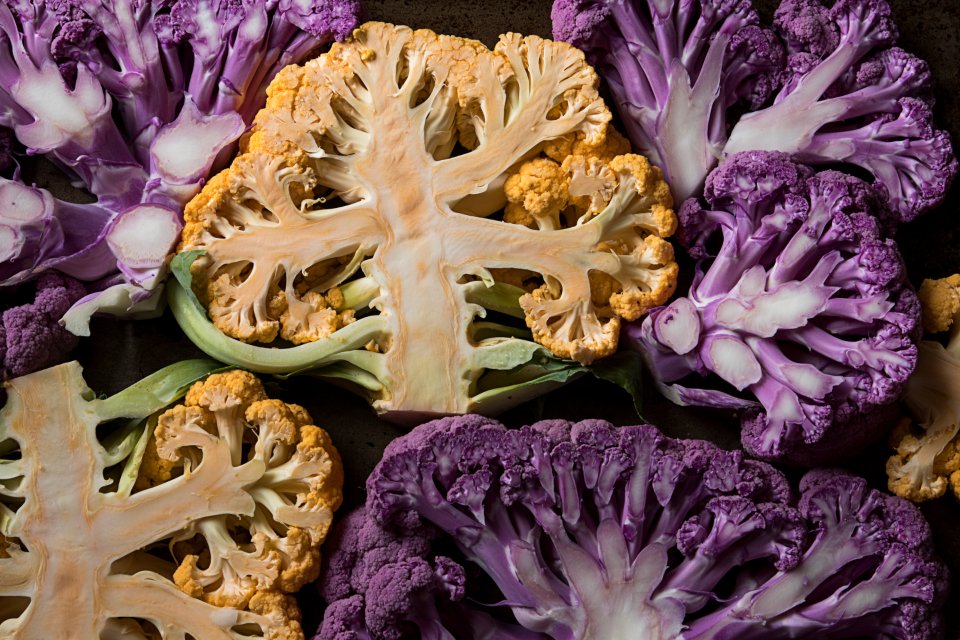
Cauliflower hummus is the closest substitute and it is genuinely good rather than merely tolerable. Roast florets with olive oil until the edges brown, which drives off water and concentrates the flavor, then blend them with tahini, lemon juice, garlic, salt and a little more olive oil until smooth. Roasting rather than steaming is the difference between a rich dip and a watery one.
Zucchini works the same way if you salt and drain it first. Either version keeps for a few days in the refrigerator, and both take a drizzle of olive oil and a dusting of paprika exactly like the original.
One last note on portions. If you are tracking carefully, measure the dip with a spoon rather than eyeballing it from the tub. Dips are the food people most consistently underestimate, and that gap, not the chickpeas themselves, is usually what pushes a day over its limit.