

No. Diet Coke is sweetened with aspartame, not xylitol. Xylitol is a sugar alcohol that shows up mostly in sugar free gum, mints, some dental products and certain sugar free baked goods and nut butters. You will not find it on a standard Diet Coke ingredient list.
What Actually Sweetens Diet Coke
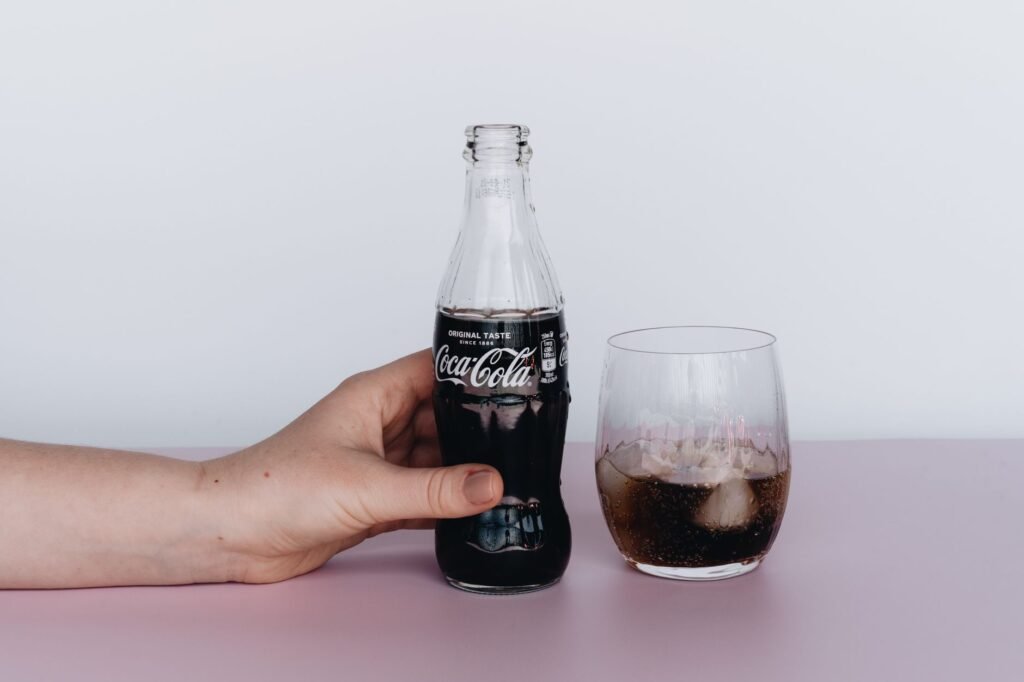
Diet Coke has used aspartame as its sweetener for decades, and the ingredient panel says so in plain language. Cans and bottles sold in the United States also carry a phenylalanine statement, which is required on products containing aspartame. That statement is itself a quick way to confirm what you are holding without reading the fine print twice.
Formulations differ by country and by product line, so a can bought abroad may use a different sweetener or a blend. Coca Cola Zero Sugar, for example, is a separate product with its own ingredient list. If you care about the exact composition of the can in your hand, the panel on that can is the only source that is current.
Where Xylitol Really Turns Up
Xylitol is popular in products where a sugar alcohol has a practical advantage rather than just a calorie one. It does not feed the bacteria associated with tooth decay the way sugar does, which is why the dental aisle is full of it.
| Product type | How often xylitol appears |
|---|---|
| Sugar free chewing gum | Very common |
| Breath mints and lozenges | Common |
| Toothpaste and mouthwash | Common |
| Sugar free peanut and nut butters | Occasional |
| Low sugar baked goods and candy | Occasional |
| Diet sodas | Rare |
Xylitol Is Dangerous for Dogs
This is the part worth remembering even if you never think about sweeteners again. Xylitol is toxic to dogs. In a dog it triggers a rapid release of insulin, which can send blood sugar crashing, and it has also been linked to serious liver damage. Amounts that are harmless to a person can make a dog seriously ill.
The most common way it happens is a purse or a coat pocket. A pack of sugar free gum, a tin of mints, or a jar of sugar free peanut butter left within reach is the usual story. If you think your dog has eaten anything containing xylitol, call your veterinarian or an animal poison control line straight away rather than waiting to see whether symptoms appear. Bring the packaging with you, because the ingredient list is what the vet will want to see. Cats appear to be far less affected, but the same caution is sensible.
How to Read a Sweetener Label
- Ignore the front of the package. Sugar free, diet and zero are marketing words and do not name an ingredient.
- Find the ingredient list and look for the sweetener by name. Common ones include aspartame, sucralose, acesulfame potassium, saccharin, stevia leaf extract and monk fruit extract.
- Sugar alcohols end in the letters ol. Xylitol, erythritol, sorbitol, maltitol and mannitol all belong to that family.
- Check for a phenylalanine warning, which indicates aspartame is present.
- If the product is for a household with pets, store anything containing xylitol well out of reach.