Toss whole wheat penne with cherry tomatoes blistered in olive oil, garlic, white beans, spinach, olives, lemon zest and a little feta. It takes about 25 minutes, uses one pot and one pan, and the starchy pasta water is what pulls it together into a sauce that actually clings.
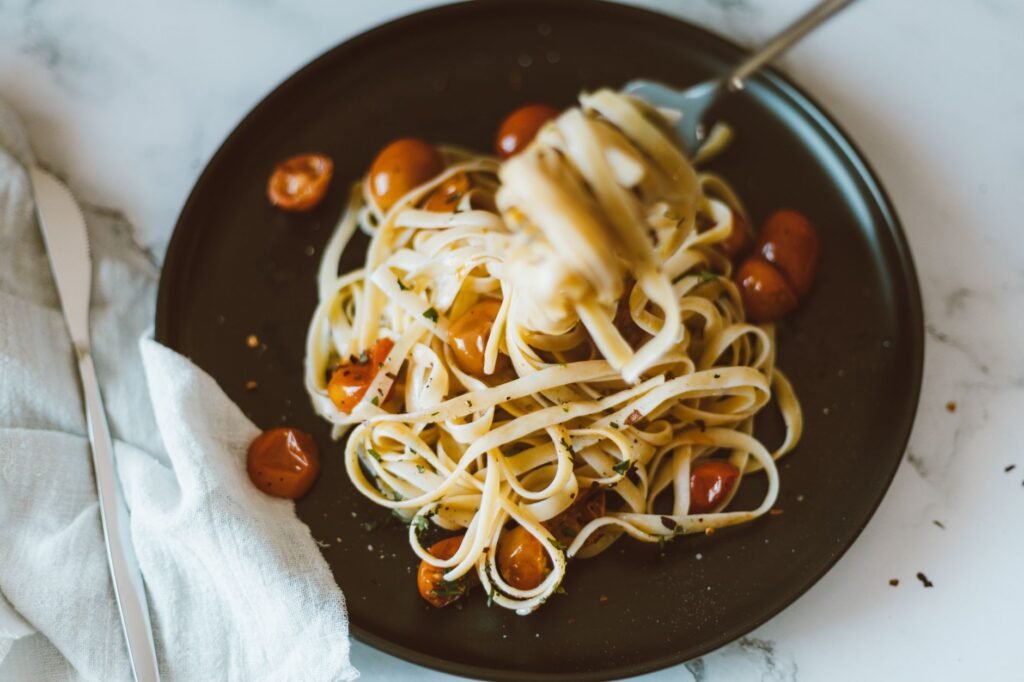
What Goes in the Pan
This is a pantry dinner with one trip to the produce section. Everything except the tomatoes and spinach can live in a cupboard, which is what makes it a weeknight recipe rather than a project.
| Ingredient | Amount |
|---|---|
| Whole wheat penne | 12 oz |
| Extra virgin olive oil | 4 tablespoons |
| Cherry tomatoes | 2 cups, halved |
| Garlic | 4 cloves, sliced thin |
| Cannellini beans | 1 can, drained and rinsed |
| Baby spinach | 5 oz |
| Kalamata olives | 1/3 cup, halved |
| Lemon | 1, zest and juice |
| Feta and fresh basil | To finish |
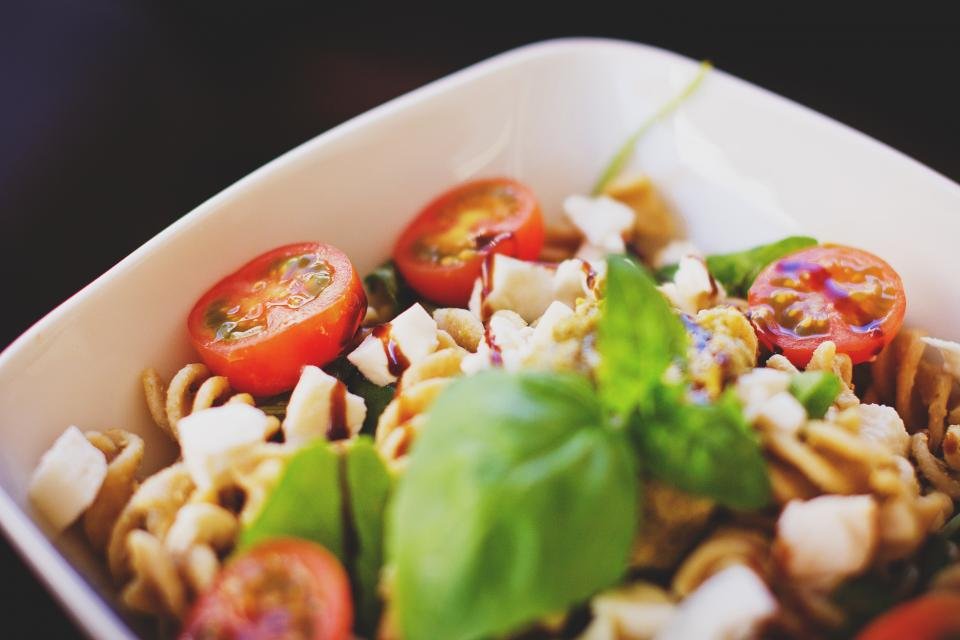
How to Cook It
- Boil the pasta in well salted water. Set a timer two minutes short of the package time, because it will finish in the pan.
- While it cooks, warm three tablespoons of olive oil in a wide skillet over medium heat and add the sliced garlic. Take it off the heat the moment it turns pale gold.
- Add the tomatoes cut side down and let them sit undisturbed for three or four minutes until they blister and collapse.
- Stir in the beans and olives and warm them through, pressing a few beans against the pan so they thicken the sauce.
- Scoop out a mug of pasta water before draining. This is the step people skip and then regret.
- Add the drained pasta and the spinach to the skillet with half a cup of the pasta water. Toss hard over medium heat for a minute or two until the liquid turns glossy and coats every piece.
- Off the heat, add the lemon zest, a squeeze of juice, the last tablespoon of oil, crumbled feta and torn basil.
Why the Pasta Water Matters
The most common failure here is a bowl of dry pasta sitting in a puddle of oil. Olive oil and water do not combine on their own, but the starch that comes off the pasta while it boils acts as the bridge. When you toss hot pasta, oil and a splash of that cloudy water together over heat, the starch holds the two in suspension and you get a light sauce instead of a slick.
So salt the water properly, do not rinse the pasta, and always reserve more water than you think you need. If the pan looks tight, add another splash and keep tossing. If it looks loose, keep the pan on the heat for another thirty seconds and it will tighten.
Easy Variations
Swap the cannellini beans for chickpeas, or for a can of drained tuna packed in olive oil. Trade spinach for chopped kale, added a few minutes earlier so it softens. Roasted red peppers, artichoke hearts, capers and toasted pine nuts all belong in this template. In cooler months, use canned cherry tomatoes and finish with chopped parsley instead of basil.
Frequently asked questions
What makes a pasta dinner Mediterranean style?
The emphasis, not a rule book. Dishes in this pattern lean on olive oil as the main fat, put vegetables and legumes at the center, use whole grains often, and treat cheese and meat as accents rather than the main event. The cooking method stays simple.
Do I have to use whole wheat pasta?
No. Whole grain versions fit the pattern well and hold up to a chunky sauce, but plenty of regional cooking uses ordinary durum wheat pasta. If you find whole wheat too heavy, chickpea or lentil pasta and standard semolina pasta both work in this recipe.
Can I make this ahead?
The sauce yes, the finished dish not really. Cook the tomato, garlic and bean base up to two days ahead and refrigerate it. Boil the pasta fresh, then reheat the sauce with a splash of pasta water and combine, since reheated pasta loses its bite.
Spotted an error on this page? Email support@knackdaily.com with what is wrong and we will correct the page.