
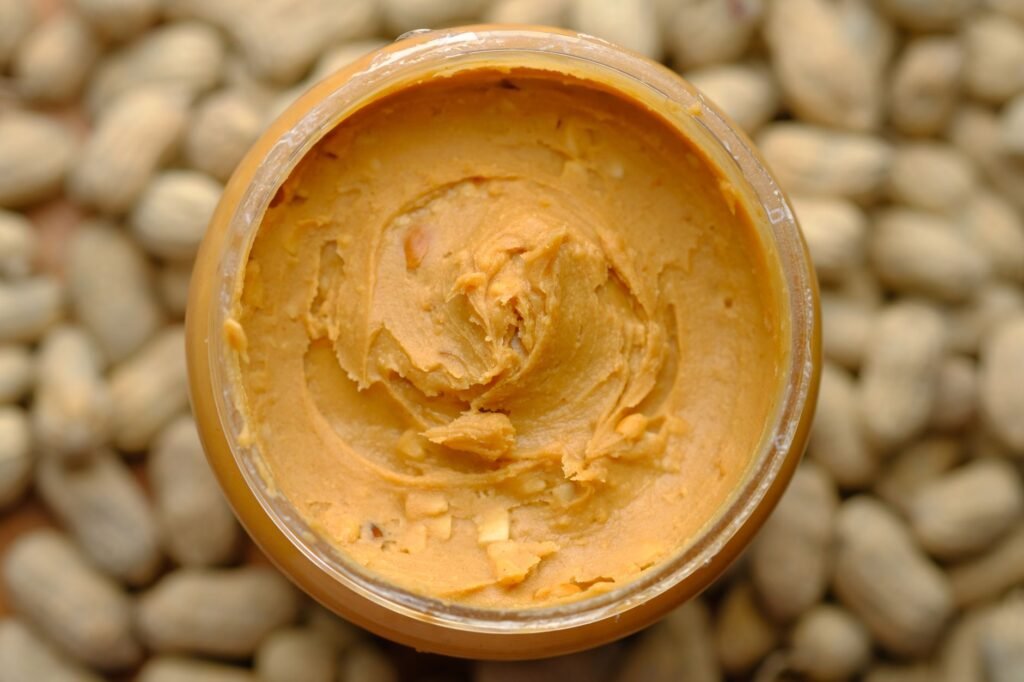
Go by the printed best by date for a sealed jar, plan on a couple of months for an opened commercial jar in the pantry, and less for natural peanut butter unless it is refrigerated. Peanut butter almost never spoils in the microbial sense. It goes rancid, which is the oil oxidizing.
Rancid is not the same as spoiled
Most foods fail because something grows on them. Peanut butter is a different case. Ground peanuts are mostly fat and protein with very little free water, and organisms need water to do anything at all. That dryness is the preservative, and it is why a jar can sit open in a cupboard for weeks and remain perfectly pleasant.
What does happen is oxidation. Oxygen reacts with the unsaturated fats in peanut oil and breaks them into compounds that smell and taste wrong. The result is sharp, bitter, and reminiscent of crayons, old paint or cardboard. The process runs continuously and accelerates with heat, light and air, so every scoop that lowers the level in the jar leaves more headspace and speeds the rest along.
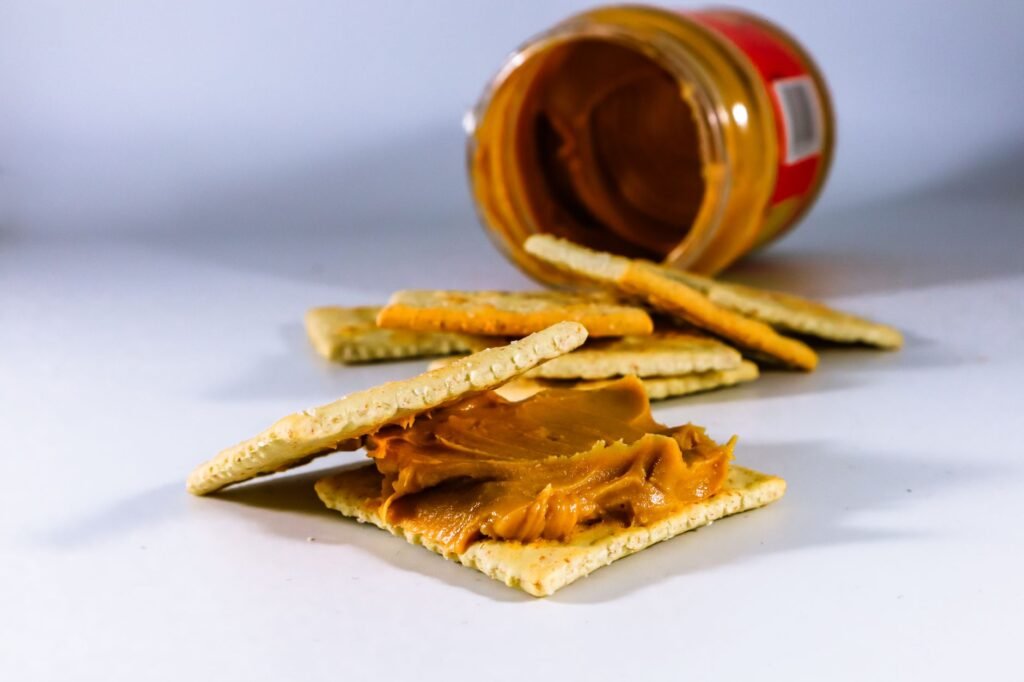
Natural jars and stabilized jars behave differently
A stabilized jar has a small amount of hydrogenated oil worked into it. That ingredient is there to hold the peanut oil in suspension, which is why the jar stays smooth and never needs stirring. Hydrogenation also reduces the share of fats that oxidize easily, so those jars simply last longer at room temperature.
Natural peanut butter is peanuts and maybe salt. Nothing is holding the oil in place, so it separates, and nothing has been done to the fats, so oxidation runs at full speed. Refrigeration is the standard answer. Stir the oil back in thoroughly the first time you open the jar, then store it cold and stiff rather than warm and loose.
How long a jar lasts where you keep it
| Jar | Pantry | Refrigerated |
|---|---|---|
| Commercial, unopened | Through the printed date | Not necessary |
| Commercial, opened | A couple of months at good quality | Extends it, stiffens the texture |
| Natural, unopened | Shorter than stabilized | Best option from day one |
| Natural, opened | Weeks before flavor drifts | Several months |
| Powdered peanut butter | Long, it is dried | Only once mixed with water |
| Mixed with anything wet | Treat as a leftover | A few days |
How to tell a jar has gone rancid
- Smell it before you spread it. Fresh peanut butter smells roasted and sweet. Rancid peanut butter smells like crayons, putty or an old bag of nuts, and the shift is unmistakable once you know it.
- Taste a small amount. A bitter, scratchy aftertaste at the back of the throat is the confirmation. Rancid fat is a quality failure rather than a hazard, but nothing on the sandwich will hide it.
- Look at the edges. A dark, dried ring where the paste meets the glass means that surface has been oxidizing in air the longest.
- Check for real mold. Fuzzy or discolored patches mean water got in, most likely on a knife. That jar goes in the trash whole.
Two habits do most of the work. Use a clean, dry utensil every time and never double dip after the knife has touched jam or butter, and store the jar somewhere cool and dark instead of the cabinet directly above the stove, which is the hottest spot in the kitchen.