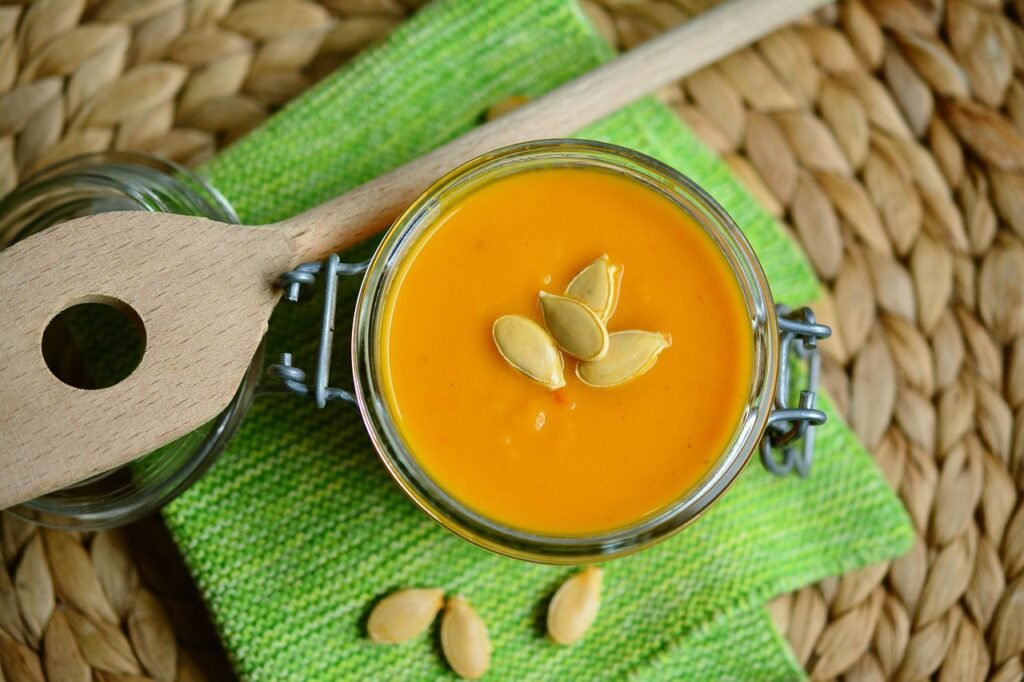
Yes, you can freeze food in glass containers if the glass is made for freezing and you leave room at the top for the food to expand. Freezer-safe canning jars and storage dishes labeled for the freezer hold up well. Reused jars from store-bought sauces and pickles are the ones most likely to crack.
Which glass containers handle freezer cold
The difference comes down to how the glass was made. According to the National Center for Home Food Preservation, regular glass jars break easily at freezer temperatures, while dual purpose jars made for both canning and freezing are tempered to withstand extremes. The center recommends the wide mouth versions of those jars.
Glass food storage containers with snap-on lids are another option. Check the bottom of the container, the box, or the maker’s website for the words freezer safe, and follow any limits they list. Jars that once held pasta sauce, salsa or jam were designed to be filled and sealed at a factory, not frozen and thawed at home, so keep them for pantry storage.
Plastic freezer containers and freezer bags are the backup when you’re unsure about a piece of glass. They bend instead of breaking, which makes them a safer choice for anything you plan to stack or pack tightly.
How much headspace to leave in glass jars
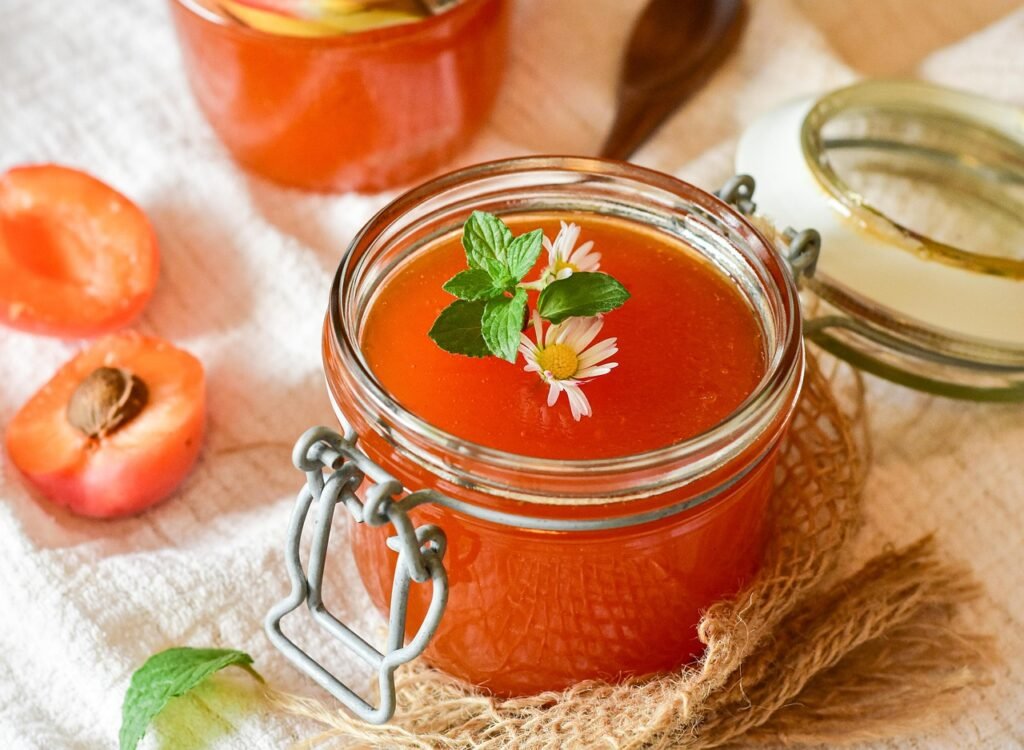
Water expands as it freezes. If food has nowhere to go, it pushes against the glass until something gives. The Penn State Extension lists these headspace amounts for fruit packed in liquid or pureed, and the same logic applies to soups, sauces and broth.
| Container | Food with liquid or puree | Food packed without added liquid |
|---|---|---|
| Wide mouth pint | 1/2 inch | 1/2 inch |
| Wide mouth quart | 1 inch | 1/2 inch |
| Narrow opening pint | 3/4 inch | 1/2 inch |
| Narrow opening quart | 1 1/2 inches | 1/2 inch |
Juice needs the most room, 1 1/2 inches in narrow jars. Loose pieces such as broccoli florets need little extra space because they expand into the gaps between them.
Why jar shoulders and narrow necks crack
A jar that curves inward near the top traps frozen food below the narrow part. As the contents expand upward, they press against those shoulders, and the jar can split at the neck. Jars with walls that run up without narrowing let the frozen block rise freely, which is why wide mouth freezer jars are shaped that way.
The wide opening helps later too. You can slide out a partially thawed block of soup instead of waiting for the whole thing to melt. If you only have narrow-necked canning jars, leave the extra headspace shown above and fill them only to where the jar begins to curve.
Thawing frozen glass without cracking it
Glass fails when one part heats or cools much faster than another. Thaw jars and dishes in the refrigerator, which is also the safest way to thaw food. Don’t move a frozen container into a hot oven, pour boiling liquid over it, or set it on a hot burner. Some glass bakeware can go from the freezer to a preheated oven, but only if its care instructions say so.
Loosen lids before thawing, and if you see a hairline crack in frozen glass, throw the food away, since tiny shards may be mixed in.
Cooling food before it goes into glass
Let hot food cool before it goes into a jar and then into the freezer. A small amount of steam trapped under the lid turns to frost, and a hot jar dropped into a cold freezer is under stress. Chill it in the refrigerator first, but don’t leave perishable food out at room temperature for more than two hours on the way. The FDA advises keeping your freezer at 0°F, and filling the freezer with warm jars all at once makes that harder to hold.
Stand jars upright until they freeze solid, and leave a little space between them so cold air can circulate. Once frozen, they can be packed closer together.
Frequently asked questions
Can you freeze Mason jars?
Yes, if they are the canning jars sold as suitable for freezing, especially the wide mouth style without a narrow neck. Leave the recommended headspace, cool the food first and thaw the jars in the refrigerator. Narrow-necked jars work if you fill them only below the shoulder.
Can glass food storage containers go from freezer to microwave?
Some can, but it depends on the product. Check the care instructions from the maker, remove any lid that isn't labeled microwave safe, and use a defrost or low power setting so the glass warms gradually. When unsure, thaw it in the refrigerator first.
How long does food keep in the freezer in glass?
Glass itself doesn't shorten or extend storage time. Quality depends more on an airtight lid, the right headspace and a steady 0°F freezer. Label each jar with the contents and date, and check the USDA FoodKeeper app for suggested storage times.
Does glass break in the freezer?
It can. The National Center for Home Food Preservation warns that regular glass jars break easily at freezer temperatures, while dual purpose jars made for canning and freezing are tempered to handle the cold. Most cracks come from food expanding with too little headspace, frozen contents pushing against a narrow neck, or a sudden jump in temperature.
Can you freeze Pyrex glass?
Yes. Pyrex's use and care instructions say its glassware and plastic lids can go in the freezer. Let hot food cool before freezing, and never move a frozen dish directly into a hot oven, since sudden temperature changes are a main cause of breakage. Keep wood lids out of the freezer.