
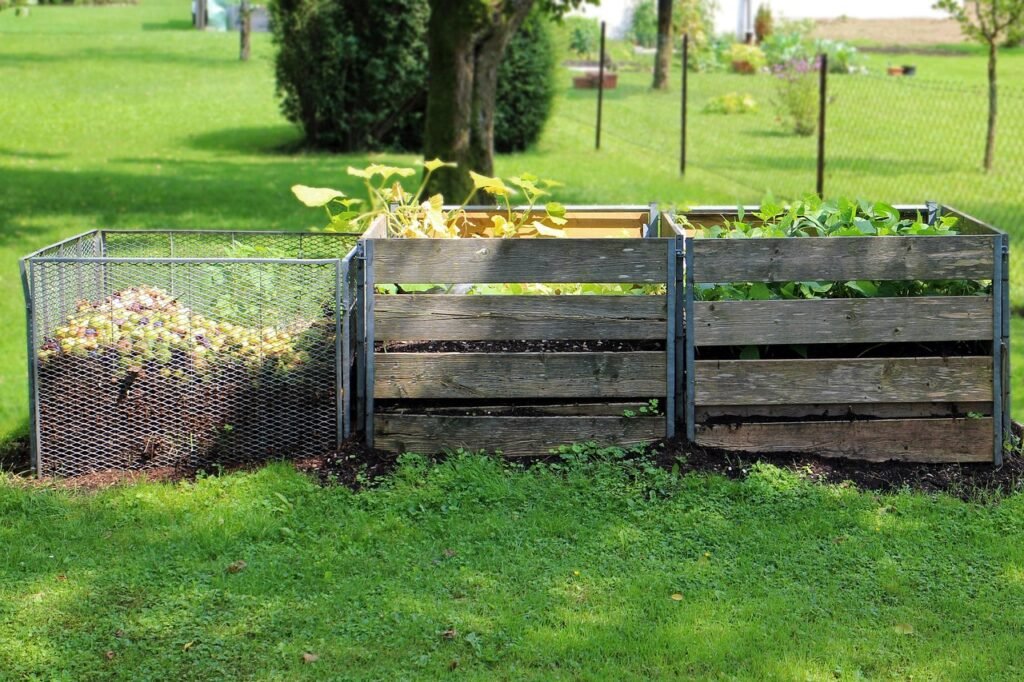
Mix kitchen scraps and other nitrogen rich greens with two to three times as much dry, carbon rich browns, such as leaves or shredded cardboard, keep the pile damp but not dripping, and turn it now and then. A well tended backyard pile turns into usable compost in roughly three to five months.
Greens, browns, water and air do all the work
Composting is controlled rotting. Bacteria, fungi and small creatures break down plant material, and they need four things to do it quickly. The EPA lists them as nitrogen rich greens, carbon rich browns, water and air.
Greens are the wet, fresh stuff such as fruit and vegetable scraps, grass clippings and coffee grounds. Browns are dry and woody, such as fallen leaves, twigs, shredded paper and uncoated cardboard. The EPA suggests adding at least two to three times as much brown material as green, measured by volume. Most smelly, slimy piles are short on browns, so keep a bag of dry leaves or a stack of torn cardboard beside the bin.
What goes in the bin and what stays out
| Add freely | Keep out | Why it stays out |
|---|---|---|
| Fruit and vegetable scraps | Meat, fish and bones | Attract animals and do not break down well in a home pile |
| Coffee grounds and paper filters | Dairy and cheese | Attract pests and linger |
| Crushed eggshells | Fats, oils and grease | Attract animals and coat everything |
| Dry leaves and twigs | Diseased plants | Can spread the disease back to the garden |
| Shredded paper and uncoated cardboard | Pet waste | A health hazard |
| Untreated wood chips | Treated or painted wood | Chemicals end up in the finished compost |
Building a compost pile layer by layer
- Keep a lidded container in the kitchen for scraps and empty it every few days.
- Pick a spot outdoors that drains well and that you can reach easily in any weather. A bought bin, a homemade wire ring or an open heap all work.
- Chop large scraps and break up sticks, since smaller pieces break down faster.
- Lay down a base of bulky browns four to six inches deep so air can move under the pile.
- Alternate greens and browns as you add material, and cover every fresh batch of scraps with a layer of browns.
- Sprinkle on water whenever the pile feels dry when you dig a hand into it.
- Turn the pile with a pitchfork or shovel every so often to push air into the middle.
Fixing a compost pile that smells, sits cold or draws pests
A rotten or ammonia smell means too many greens and too little air. Mix in a generous load of browns and turn the pile. A pile that stays cold and dry for weeks usually needs water and a fresh batch of greens to get the microbes working again. A soggy, matted pile needs turning and more dry material, and a lid if rain keeps soaking it.
Flies, raccoons and rodents come for exposed food. Bury scraps in the center of the pile rather than tossing them on top, keep meat and dairy out entirely, and consider a closed bin if animals keep visiting. Small fruit flies around a kitchen caddy usually disappear once you empty it more often.
How to tell your compost is ready to use
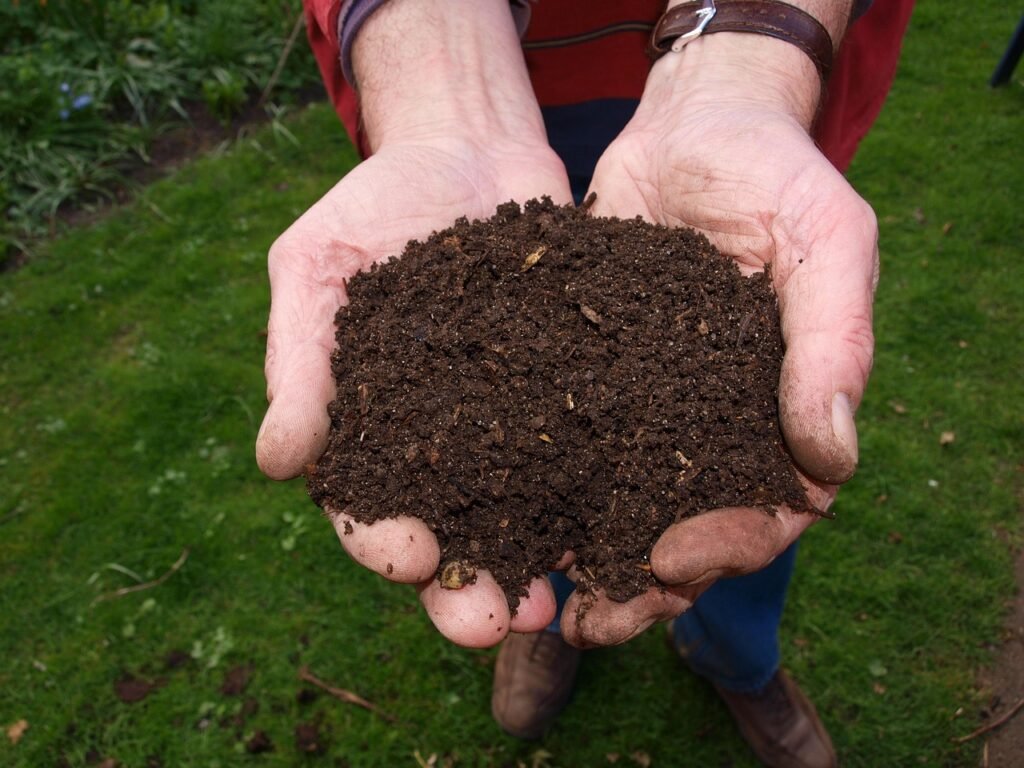
Finished compost is dark, crumbly and smells like soil. The EPA’s signs are that the pile no longer heats up and you can’t pick out the original food scraps. At that point, let it rest for about four more weeks to cure before spreading it.
A pile that gets regular attention is usually done in three to five months. One you leave alone will still get there, but it may take a year. No yard at all? Many cities and counties run food scrap drop off sites or curbside collection, so check your local public works or sanitation department before you give up on composting.
Use finished compost as a top dressing on garden beds, mix it into planting holes, or blend some into potting soil for containers. Any chunks that did not break down can go back into the next pile as a starter.
Frequently asked questions
Can I compost at home without a yard?
Yes. Apartment dwellers can use a small enclosed bin on a balcony, a worm bin indoors, or a local drop off program. Many cities and counties collect food scraps at farmers markets or community gardens, so check your local sanitation or public works department to find out what is offered near you.
Should a compost bin sit in sun or shade?
Either can work. A sunny spot keeps the pile warmer, which can speed things up, but it also dries out faster and needs more water in summer. Partial shade is a comfortable middle ground. The more important factors are good drainage and a location you can reach easily with scraps year round.
Can I put citrus peels and onions in compost?
Citrus peels and onion scraps are fruit and vegetable waste, so they belong in a home pile. Chop them up so they break down faster, and mix them with plenty of dry browns. The exception is a worm bin, where many people add citrus and onions sparingly because worms tend to avoid them.
How do you make a compost bin?
Bend a length of hardware cloth or wire fencing into a circle and tie the ends together, or fasten four wood pallets into a square. UC Master Gardeners suggest bins about 3 to 5 feet on each side, list pallets, wire fencing and hardware cloth among good materials, and advise against treated wood.
Can you compost bread?
Yes, in a large pile. University of Maryland Extension says a bin or pile of at least 27 cubic feet can take up to 5 gallons of bread and other grain products, buried in the center where animals are less likely to find them. For smaller bins, it advises leaving grain products out.
How can you speed up composting?
Chop scraps and browns small, keep greens and browns in balance, and keep the pile about as moist as a wrung out sponge. Turning it every few days to once a week pushes in air. Size helps too, since UC Master Gardeners say a pile needs to be at least 3 feet across to build enough heat.