
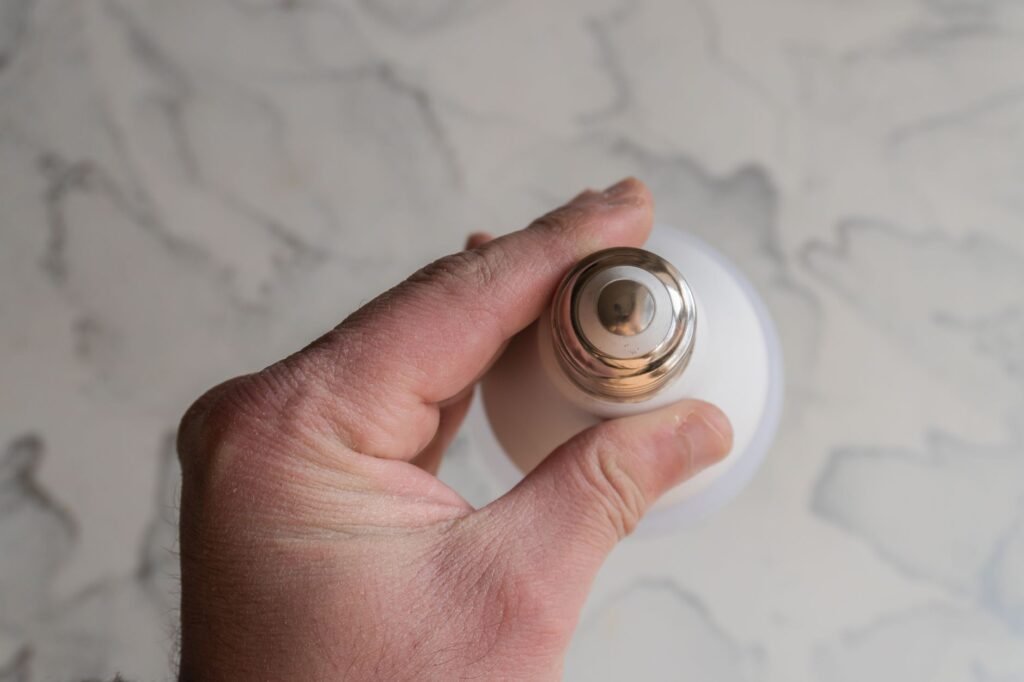
Fix flickering lights by first tightening or swapping the bulb, then checking whether an LED bulb is sitting on a dimmer it is not built to work with. If several rooms flicker at once, a switch feels warm, or you smell burning, stop troubleshooting and call a licensed electrician.
Whether one light flickers or the whole house does
Before touching anything, work out how far the flicker reaches. One bulb flickering while others on the same switch stay steady points to that bulb or its socket. A single lamp that flickers points to the bulb, the plug or the cord. Those are problems you can check yourself.
Several lights in one room flickering together suggests the switch or the circuit, which is inside the wall and belongs to an electrician. Lights across the house flickering or dimming together point further upstream, to the main connection or the service coming into the house. If neighbors see the same thing, call your utility company as well.
LED bulbs flickering on a dimmer switch
The most common single-room cause today is an LED bulb on a dimmer. LEDs dim smoothly in principle, but the electronics built into each bulb have to be designed for dimming and matched to particular types of dimmer switch. A non-dimmable LED on a dimmer, or a dimmable one paired with a dimmer it does not suit, can flicker, buzz or fail early, and a bad mismatch can damage the bulb or the dimmer.
Check the bulb package for the word dimmable, and look up the bulb maker’s compatibility list for dimmers. Swapping bulbs is a job you can do. Replacing the dimmer itself means working on the wiring in the wall box, so hand that to an electrician. Heat is the other LED issue. Bulbs in enclosed or poorly vented fixtures run hotter, which shortens their life, so use bulbs whose packaging says they are rated for enclosed fixtures.
Bulb and plug checks for a flickering light
- Turn the switch off and let the bulb cool before touching it.
- Turn the bulb gently until it feels snug in the socket, without forcing it.
- Swap in a bulb that works fine elsewhere. If the flicker stops, the old bulb was the problem.
- Read the replacement bulb package to confirm it is dimmable if it sits on a dimmer, and rated for enclosed fixtures if it sits in one.
- For a lamp, push the plug firmly into the outlet, then try a different outlet.
- Look along the lamp cord for cracks, kinks or scorch marks, and stop using any cord that shows damage.
- Note whether the flicker happens when a large appliance such as a furnace or washer starts up.
Flicker clues and who should handle each one
| What you notice | Likely source | Who handles it |
|---|---|---|
| One bulb flickers, others on the switch are steady | Bulb, or a loose bulb | You |
| LED flickers at low dimmer settings | Bulb and dimmer mismatch | You swap the bulb; an electrician changes the dimmer |
| Lamp flickers when the cord moves | Worn cord or plug | Replace the lamp or have it repaired |
| Every light in one room flickers | Switch or circuit connection | Electrician |
| Lights across the house flicker or dim sharply | Main connection, panel or utility service | Electrician, plus the utility |
| Flicker with a warm switch, buzzing or a burning smell | Overheating connection | Turn it off; electrician right away |
Signs a flickering light is an electrician’s job
Some flicker is a warning rather than an annoyance. Flicker across the whole house, lights that dip hard every time an appliance kicks on, a switch or outlet cover that feels warm or looks discolored, buzzing or crackling from a switch, and breakers that trip along with the flicker all call for a licensed electrician rather than more bulb swapping.
A burning smell is the most urgent sign. Turn the light off, stop using that circuit, and call an electrician the same day. If you see smoke or flames, get everyone out and call 911. When you book the visit, describe which lights flicker, when it happens and what else is running at the time, since that helps find the fault faster. Renters should report it to the landlord in writing.
Frequently asked questions
Can flickering lights cause a fire?
A flickering bulb by itself is usually harmless, but flicker caused by a loose or overheating connection can be a fire risk, especially alongside a warm switch, buzzing or a burning smell. Treat those combinations as urgent, turn the light off, and have a licensed electrician inspect the circuit.
Why do new LED bulbs flicker when old bulbs did not?
Incandescent bulbs worked with the dimmers of their day, while an LED bulb has built-in electronics that must be designed for dimming and compatible with the specific dimmer type. A non-dimmable LED, or a dimmable one the dimmer does not support, often flickers. Check the package and the bulb maker's compatibility list.
Should I call the power company about flickering lights?
Call your utility if lights flicker throughout the house and neighbors notice the same thing, or if the flicker follows storms or high wind. The utility handles the lines and equipment on its side of your meter and can check them. If only your home is affected, start with a licensed electrician.
Why do my lights flicker when the AC turns on?
An air conditioner's compressor motor draws far more current for a moment as it starts than while it runs, and that surge can briefly lower the voltage to lights on the same circuit or service. A quick, slight dip is not unusual. If the lights dim hard or stay dim, or a breaker trips, call a licensed electrician.
Why do LED lights flicker on camera?
Many LED bulbs don't give perfectly steady light. Their output rises and falls with the current from the driver electronics inside, and LEDs react to those changes almost instantly. The pulsing is usually too fast for your eyes, but a camera's image sensor can catch it, so video shows flicker even when the room looks steady.