
Plant potatoes by cutting certified seed potatoes into 1½ to 2 ounce pieces with at least one eye each, then setting them cut side down 3 to 5 inches deep once the soil is at least 45°F. Space pieces 8 to 12 inches apart and pile soil around the stems as they grow.
Why seed potatoes beat the ones in your pantry
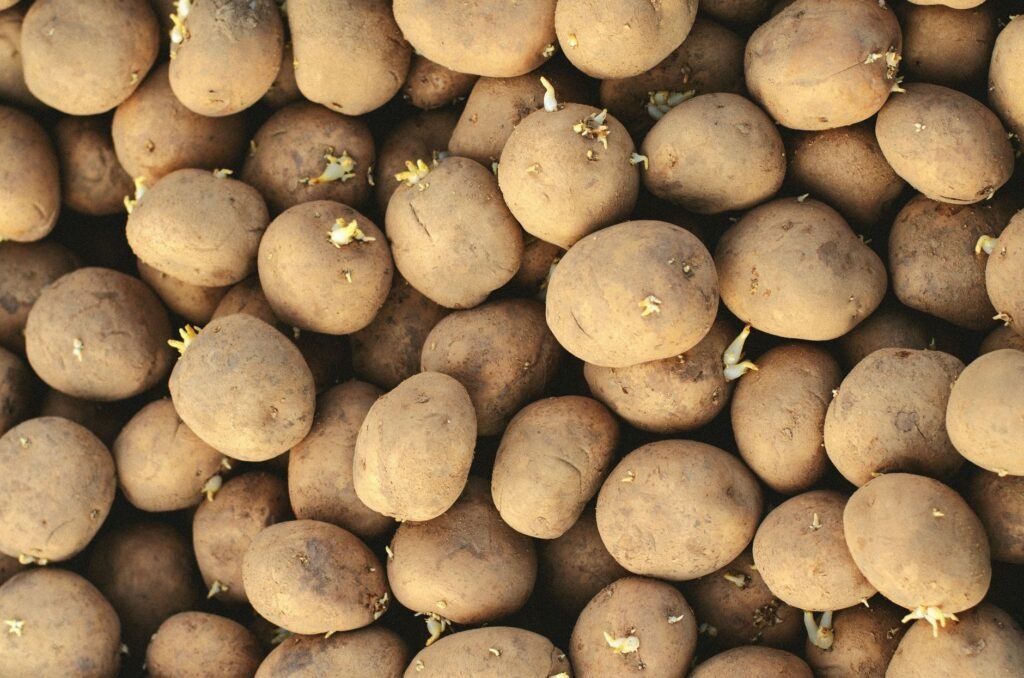
A potato is planted as a chunk of tuber, not a true seed. Every piece carries the same genetics and the same diseases as the parent potato. That is why University of Maryland Extension advises buying certified disease free seed potatoes from a reputable company, and choosing ones that are firm and not yet sprouting.
Grocery store potatoes are grown for eating, not planting, and they are not certified. They might sprout and grow, but you have no way of knowing what they bring into your soil, and a diseased seed piece can bring problems into a bed you plan to reuse.
Seed potatoes are sold as early, mid and late season varieties. Early types give you new potatoes sooner, and later types are usually the ones grown for winter storage. Catalogs and garden centers list the season for each variety. Small seed potatoes around egg size can go in whole. Larger ones get cut.
Cutting and drying the seed pieces
- Look over each potato and find the eyes, the small buds where sprouts form.
- Cut blocky pieces of roughly 1½ to 2 ounces, each with at least one good eye. A six ounce potato yields about four pieces.
- Lay the cut seed pieces out one layer deep somewhere cool and airy.
- Let the cut surfaces dry for a few days, which helps prevent rot once they are in the ground.
University of Maine Extension goes further and recommends healing cut seed at 50 to 55°F with high humidity. A cool basement or garage comes close for most home gardeners.
Soil temperature, depth and spacing for potatoes
Potatoes like cool weather but rot in cold, soggy ground. Wait until the soil has warmed and drained. A soil thermometer pushed in to planting depth gives you the number instead of a guess.
| Step | Guideline | Source |
|---|---|---|
| Soil temperature | At least 45°F | University of Maryland Extension |
| Planting depth | 3 to 5 inches, cut side down | University of Maryland Extension |
| Later crops | 5 to 6 inches deep | University of Maryland Extension |
| Spacing in the row | 8 to 12 inches | Maryland and Maine extensions |
| Space between rows | 24 to 36 inches | University of Maryland Extension |
The full University of Maryland potato guide also lists planting dates for that state. Your own county extension office can give local dates tied to your last frost.
Hilling potato plants as the stems grow
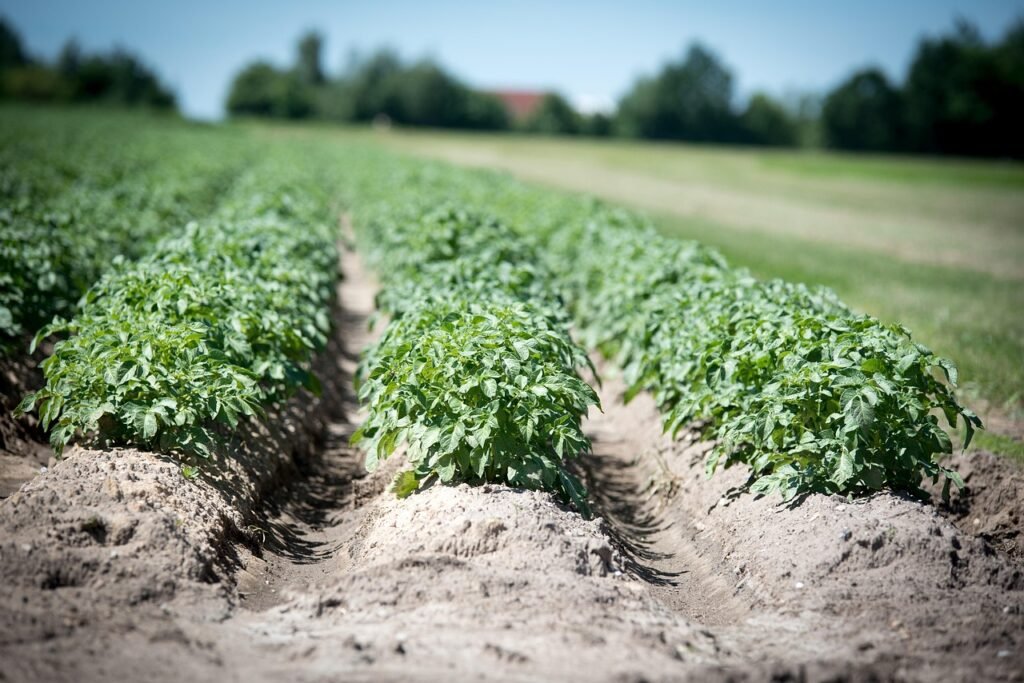
New potatoes form on underground stems above the seed piece, so they need soil over them as the plant grows. Hilling means drawing loose soil up around the stems. University of Maine Extension suggests starting once plants are about six inches tall and says up to three hillings may be needed.
Sunlight turns exposed tubers green. That green color is linked to solanine, a bitter, toxic compound, and Maryland Extension says green portions should be cut out and discarded. Keeping tubers covered prevents the problem. If your ground is heavy clay, straw or shredded leaves can stand in for part of the soil when you hill.
Water evenly through the season, especially while plants are flowering and tubers are sizing up.
Knowing when the crop is ready to dig
Small, tender new potatoes can be harvested 6 to 8 weeks after planting, usually once the plants have flowered. Reach in gently and take a few without pulling the whole plant.
For a storage crop, wait until the vines die back. If tops are still green late in the season, University of Maine Extension advises cutting them off at least seven days before harvest so the skins toughen. Maryland Extension cures storage potatoes for 10 to 14 days at 50 to 60°F with high humidity before long storage.
Frequently asked questions
What month should you plant potatoes?
It depends on where you live. University of Maryland Extension lists March 15 to May 1 for that state, depending on location, with soil at least 45°F. Other regions differ, so check your county extension office for dates tied to your local last frost and soil conditions.
Can you grow potatoes in containers or grow bags?
Yes. Use a large container with drainage holes, start with a few inches of potting mix, set the seed pieces on top, and cover them. Keep adding mix as the stems grow, the container version of hilling. Containers dry out fast, so check moisture often in warm weather.
Which way up do you plant a potato piece?
University of Maryland Extension says to plant pieces cut side down, which usually leaves the eyes facing up or sideways. Sprouts will find their way to the surface either way, but cut side down keeps the drying surface in contact with the soil and gives the shoots the shortest route up.
How do you plant sweet potatoes?
Plant them as slips, the sprouts that grow from a stored sweet potato root, rather than as cut seed pieces. Clemson Extension advises setting slips about 3 inches deep and 8 to 12 inches apart, well after the last frost, once the soil is above 65°F. The roots are ready to dig about 90 to 120 days later.
How many potatoes do you get per plant?
Expect roughly 2 to 5 pounds of potatoes from each plant, according to South Dakota State University Extension, which gives yield by weight rather than by tuber count. University of Maryland Extension puts it at 6 to 15 pounds per 10 foot row. Variety, weather and growing conditions all shift the total.