To winterize a garden, clear out diseased plants, water trees and shrubs well while the soil can still take it, spread mulch at the right depth, cover bare beds, and drain hoses before freezing nights. Healthy perennial stems can stay standing until spring if you like the look.
Which plants to pull and which to leave standing
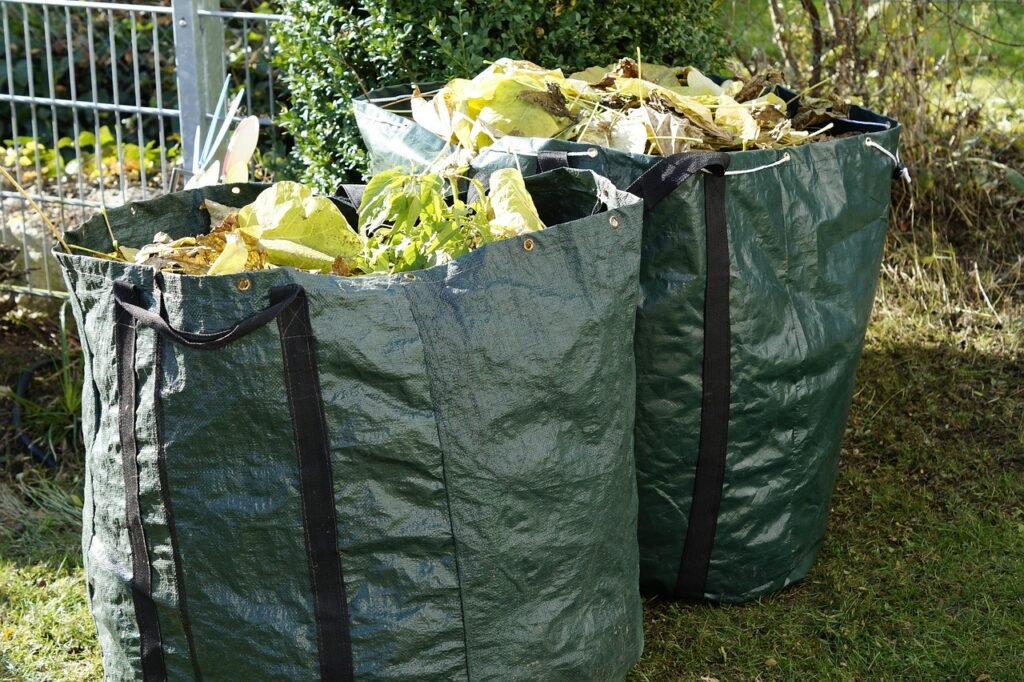
Fall cleanup is less about neatness and more about disease. Tomato, squash and cucumber vines that had leaf spots, mildew or blight should come out, roots and all, along with fallen fruit. Bag that material or send it out with yard waste instead of adding it to a backyard compost pile, since a home heap might never reach the heat needed to kill every pathogen.
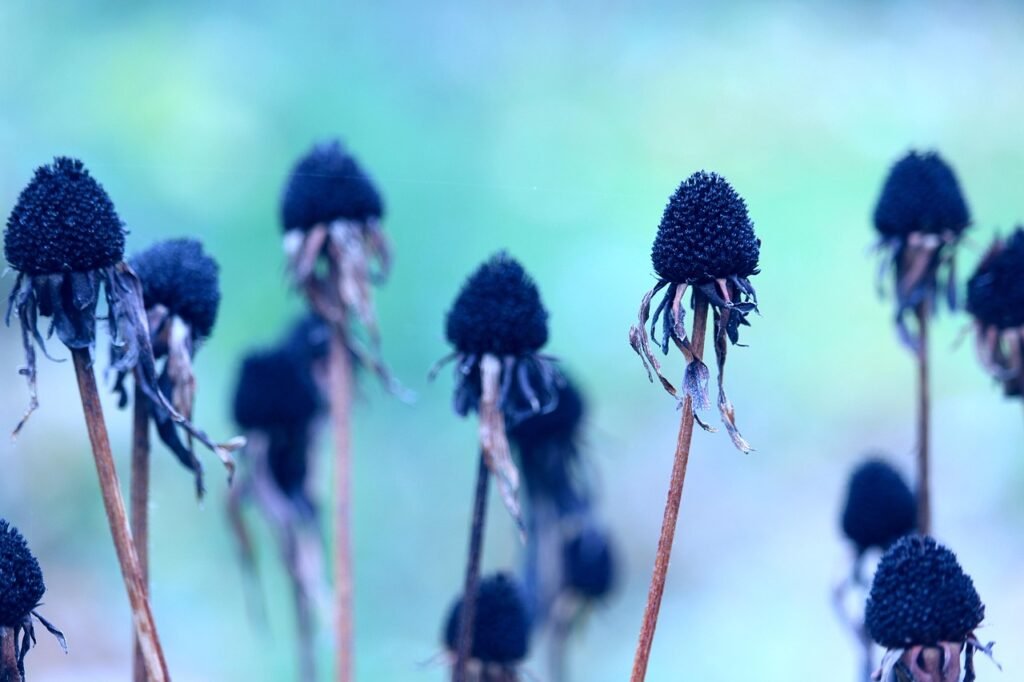
Healthy plants are a different story. Many gardeners leave coneflowers, black eyed Susans and ornamental grasses standing through winter, since the seed heads feed birds and the hollow stems shelter beneficial insects. Cut them back in late winter or early spring before new growth starts.
Pull any weeds that have gone to seed now. Every seed head you remove is one fewer crop of seedlings next year.
Watering evergreens and young trees before winter
Evergreens keep losing moisture through their needles and leaves all winter, and dry fall weather can leave them stressed before the ground freezes. Water them deeply during fall dry spells, along with any tree or shrub planted this year.
In cold, dry regions, watering continues into winter. Colorado State University Extension advises watering only when the air is above 40°F, at midday so the water soaks in before night, about once or twice a month during long dry stretches without snow cover. Wetter climates rarely need this, so match the routine to your weather.
Covering bare vegetable beds for the cold months
Bare soil washes and blows away over winter, and it loses organic matter in the process. Cover it in one of three ways.
Shredded leaves are free and easy. Spread them over empty beds and they break down into the soil by spring. A layer of compost does the same job while adding nutrients. A winter cover crop, sown while there is still time for it to establish, holds the soil with living roots and gets turned in or cut down in spring. For cover crops, your county extension office knows which species suit your area and the latest safe sowing date.
Fall is also a good time for a soil test. Results arrive before spring planting, and lime or other amendments have months to work.
Mulch depth around shrubs and perennials
Mulch evens out soil temperature and holds moisture, but more is not better. Clemson’s mulch fact sheet sets these limits and says to keep mulch 2 to 3 inches away from the stems of woody plants, which prevents decay and rodent damage over winter.
| Mulch material | Maximum depth |
|---|---|
| Most wood and bark mulches | 2 to 3 inches |
| Coarse pine bark nuggets | Up to 4 inches |
| Shredded leaves or grass clippings | No more than 2 inches, so they do not mat |
Piling mulch against trunks, the volcano shape you see in parking lots, traps moisture against the bark and invites voles to nest there.
Garden hoses, pots and tools at the end of the season
- Disconnect hoses from outdoor faucets, drain them, and coil them somewhere out of the sun.
- Shut off and drain outdoor water lines if your home has an inside shutoff valve for them.
- Empty terra cotta and ceramic pots, or move them into a garage, since wet soil that freezes inside can crack them.
- Scrape soil off shovels and pruners, dry them, and wipe the metal with a little oil to slow rust.
- Drain or stabilize fuel in gas powered equipment according to the owner’s manual.
- Write down what grew well and what failed while you still remember.
Tender bulbs and tubers such as dahlias and cannas do not survive cold winters in the ground in many regions. Dig them after frost blackens the leaves, let them dry, and store them somewhere cool and dry. Ask your extension office whether dahlias and cannas survive winter outdoors where you live.
Frequently asked questions
Should you cut back perennials in the fall?
Only the ones that were diseased or that collapse into mush after frost, like hostas. Healthy perennials with sturdy stems and seed heads can stay up until late winter or early spring. They catch snow, feed birds, and protect the crown of the plant. Cut them back before new shoots appear.
Should you till the garden in the fall?
Most home gardens do fine without it. Tilling in fall leaves the soil bare and loose all winter, which makes it easier for rain and wind to carry it away. Covering beds with leaves, compost or a cover crop protects the soil and still gives you a workable bed in spring.
When should you put winter mulch on a garden?
Timing varies with climate, and in colder regions gardeners often wait until the soil surface has started to freeze so rodents do not move in. Your county extension office can give local timing. In milder areas, a normal layer of mulch kept at a sensible depth is usually enough year round.
Should you disconnect your garden hose in winter?
Yes. A hose left attached keeps water from draining out of an outdoor faucet, including frost-free models. Faucet maker Woodford explains that the trapped water can freeze and burst the pipe inside the wall, and the leak may not show until the water is turned on in spring. Disconnect and drain the hose before freezing nights.
How do you winterize raised garden beds?
Treat them like any vegetable bed. Pull diseased plants roots and all, then cover the soil with shredded leaves, compost or a cover crop so it doesn't wash or blow away over winter. Keep mulch 2 to 3 inches away from woody stems, and check wooden frames for loose boards before the ground freezes.