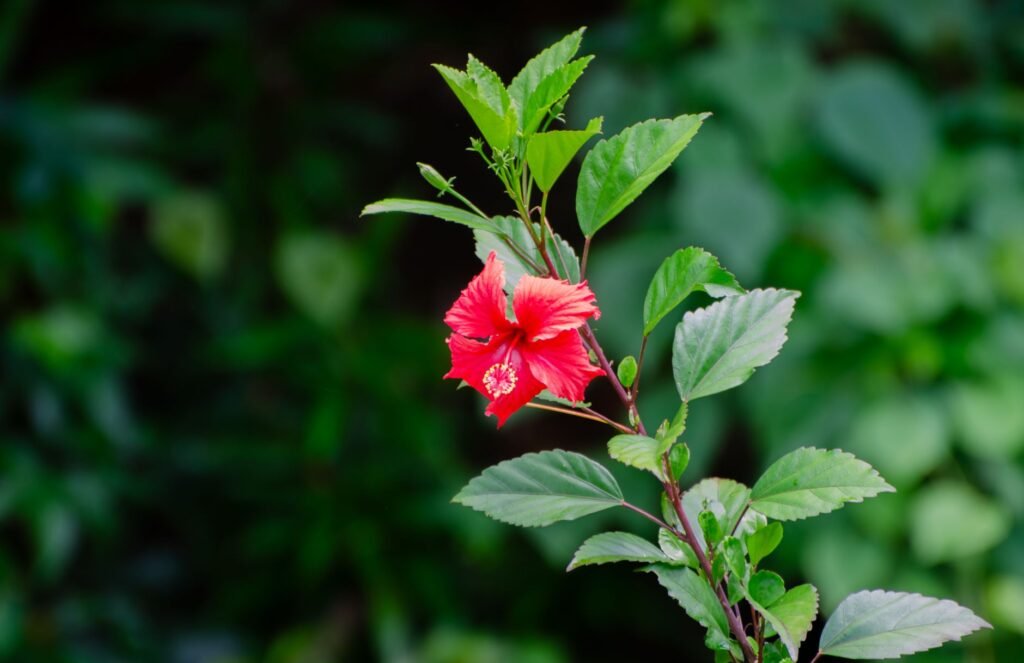
Identify your plant before you cut anything, because tropical hibiscus roots from soft green tip cuttings under warmth and humidity, while the hardy shrub and perennial kinds respond better to dormant wood, division, or layering. Using one group’s method on the other is why most attempts fail.
Three different plants share the same common name
Garden centers sell all of them under one word, and they behave nothing alike. Tropical hibiscus carries glossy dark leaves, flowers on and off all year in a warm spot, and turns to mush at the first frost. Rose of Sharon is a woody shrub with duller leaves that drops everything in fall and shrugs off a northern winter. Hardy perennial hibiscus, the one with dinner plate flowers, vanishes to the ground each year and pushes new stems from the crown late in spring.
| Group | How to tell | Method that works |
|---|---|---|
| Tropical | Shiny evergreen leaves, sold as a patio plant, frost kills it | Softwood tip cuttings in a humid enclosure |
| Rose of Sharon | Upright woody shrub, bare in winter, seeds itself everywhere | Dormant hardwood cuttings, or softwood in early summer |
| Hardy perennial | Dies to the ground, huge flowers, very late to reappear | Crown division or basal shoot cuttings in spring |
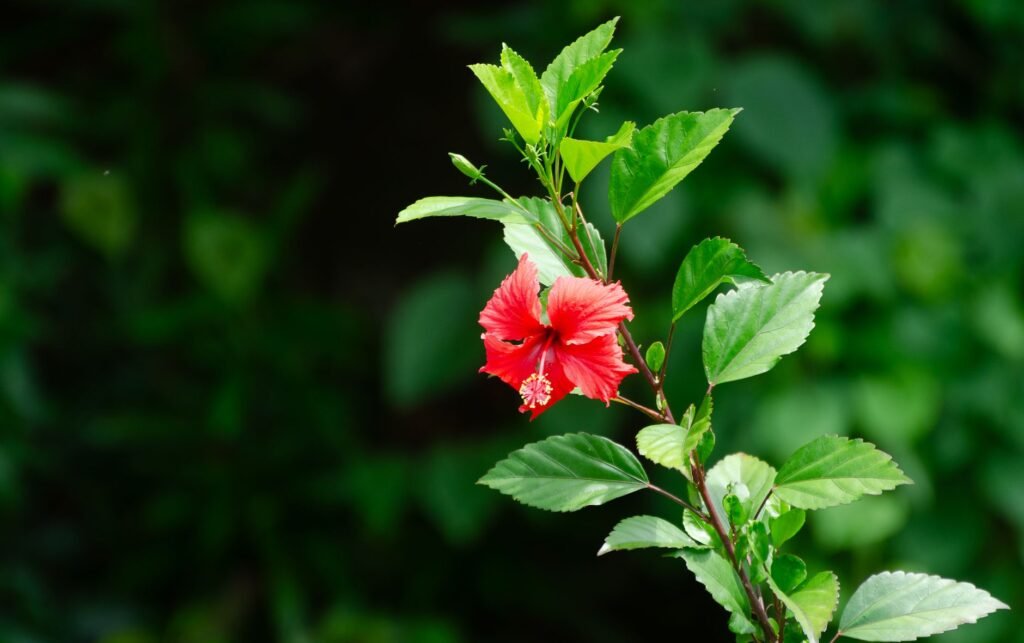
Softwood tip cuttings for the tropical kind
Work in late spring or early summer while the plant is pushing new growth. Choose a shoot that is springy rather than brittle and has not set a bud, and take a piece about four to six inches long, cutting cleanly just below a leaf joint. Strip the lower leaves, then snip the remaining leaves in half crosswise so the stem is never asked to supply more moisture than it can draw.
Rooting hormone helps but is not required. Push the base into a coarse, sharply drained mix rather than dense potting soil, water it in, and cover the pot with a clear bag or dome to hold humidity. Keep it in bright light that never includes direct midday sun, and keep it warm, since cool nights stall the whole process. Gentle bottom heat shortens the wait noticeably.
Skip the glass of water. Tropical hibiscus roots poorly that way, and the few water roots it does make are brittle and often collapse during the move into a pot.
The hardy types want wood, roots, or a pinned stem
For rose of Sharon, the reliable route is dormant wood. After the leaves drop, cut pencil thick lengths of the past season’s growth, keep track of which end pointed up, and sink them most of the way into a sheltered nursery bed or a deep pot of sand and grit. They sit still all winter and start moving when the weather turns. Layering is even simpler if a low branch will reach the ground: wound the underside, pin it down, cover with soil, and cut it free the following season once it has rooted.
Hardy perennial hibiscus is handled at the root instead. Wait for the new shoots to break ground in spring, lift the clump, and cut through the crown so each piece carries both shoots and roots. Alternatively take those young shoots as basal cuttings once they are a few inches tall.
The first winter is where young plants are lost
Seed is worth mentioning here because rose of Sharon produces it generously and volunteers turn up all over a bed. Those seedlings will not match the named variety you bought, and the same applies to seed from any hybrid. If the flower color is the reason you want another plant, you have to take a piece of the plant itself.
Whatever you rooted, the cold months ahead are the real test. Tropical cuttings have to come inside well before frost and should stay on the dry side while light is short, since cold plus wet soil rots a young root system faster than anything else. Rooted hardy cuttings left in pots are more fragile than the parent shrub, because a pot freezes through completely where garden ground does not. Sink the pots in soil, pile mulch around them, or park them in an unheated garage, and check once in a while that they have not dried out solid.
Frequently asked questions
Can you root hibiscus cuttings in water?
It is the least dependable route for this plant. Tropical hibiscus tends to rot at the base before it roots, and any roots that do appear in water are fragile and frequently break down once the cutting is potted. A gritty, free draining mix under a humidity cover works far better.
How long do hibiscus cuttings take to root?
Softwood tip cuttings of the tropical kind commonly need several weeks under warmth and humidity, while dormant hardwood cuttings of rose of Sharon sit through winter and show growth in spring. Warmth at the base is the biggest single factor in how fast it happens.
Will seedlings look like the parent plant?
Usually not. Named varieties and hybrids do not come true from seed, so volunteer seedlings around a rose of Sharon can differ in flower color and form. Take a cutting or divide the crown whenever matching the original bloom is the point of the exercise.