Take a shoot that is not carrying flowers in early summer, trim it to four or five inches with two leaf pairs, halve the remaining leaves, and root it in damp gritty mix under a cover. Work out first whether your shrub blooms on old wood, since that governs which stems you can afford to remove.
Old wood or new wood decides what the cutting costs you
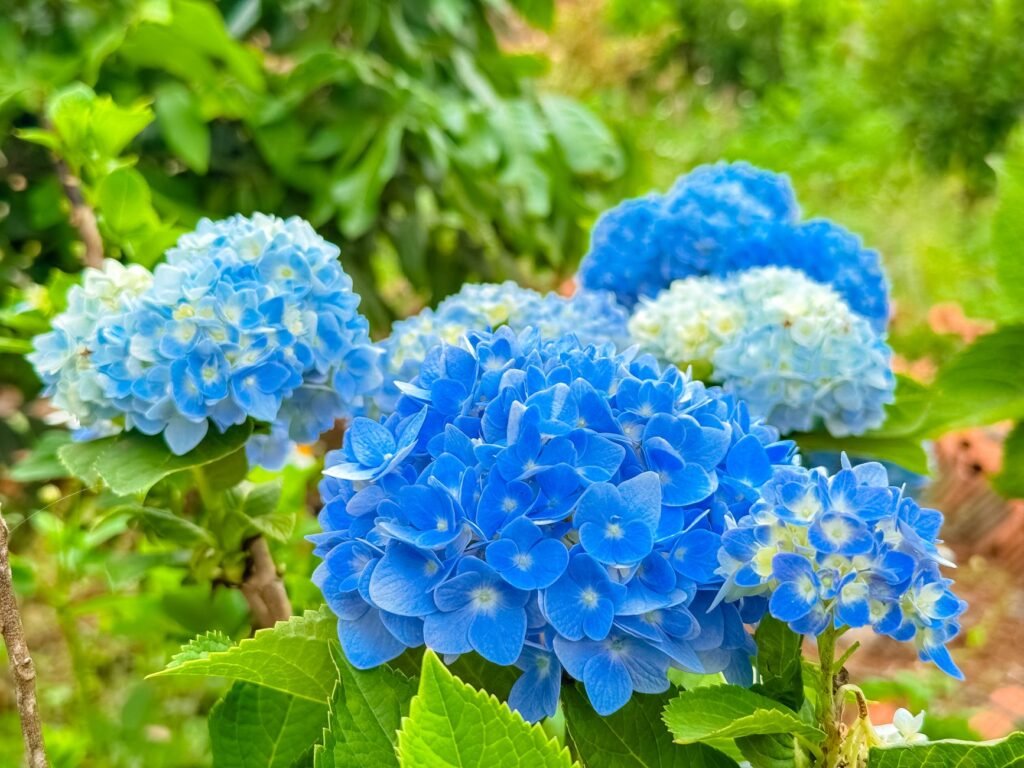
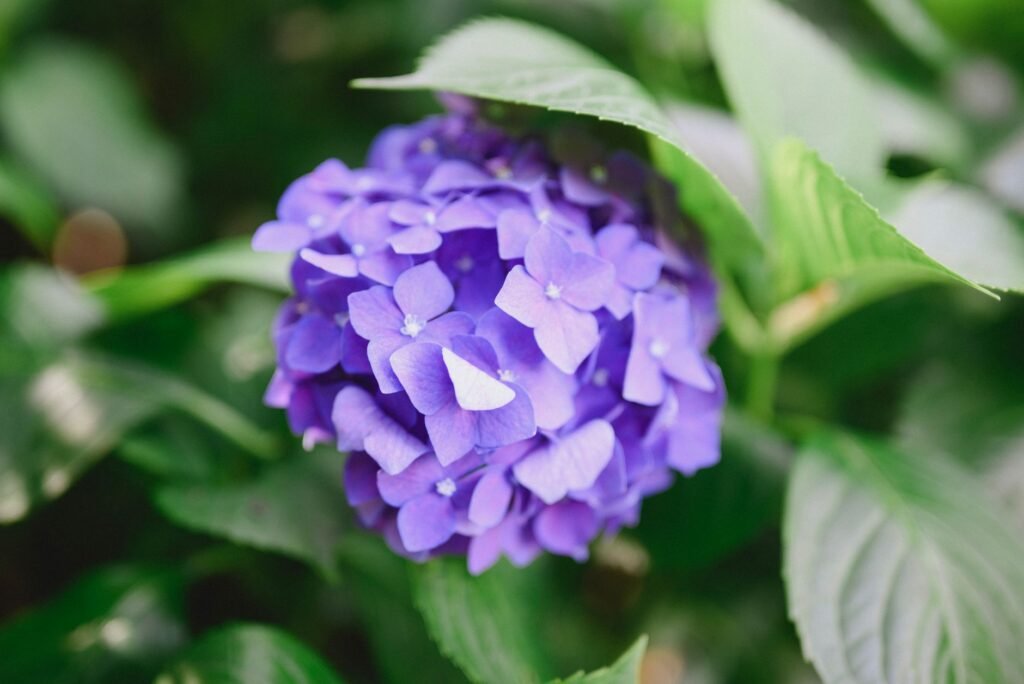
Hydrangeas fall into two camps and the camp matters more than any rooting trick. Bigleaf types, the mopheads and lacecaps most people picture, set their flower buds during the previous season and carry them through winter on last year’s stems. Snip those stems and the blooms you were promised next June leave with them.
Panicle and smooth hydrangeas work the other way. They build flower buds on growth made in the current spring, so removing a shoot in summer costs you nothing the following year. That single fact is why one gardener swears hydrangea cuttings are free and another insists they wreck the shrub.
| Hydrangea group | Where flower buds form | Cost of taking cuttings |
|---|---|---|
| Bigleaf mophead and lacecap | On stems grown last season | Each shoot removed is a bloom lost |
| Oakleaf | On stems grown last season | Same caution applies |
| Panicle | On growth made this spring | Effectively free |
| Smooth types | On growth made this spring | Effectively free |
| Reblooming bigleaf | On both, unevenly | You lose part of the show |
Choose a shoot with no flower head on it
- Go out early on a cool morning, while the shrub is turgid and the leaves are firm to the touch.
- Pick a side shoot without a bloom or bud on the end. Flowering stems are thick, hollow toward the tip, and they rot rather than root.
- Cut a piece carrying two or three pairs of leaves, then trim the base flat just below the lowest pair.
- Remove that lowest pair entirely so two clean wounds sit at the base, since roots emerge from exactly those points.
- Stand the pieces in a cup of water or a damp bag while you prepare pots, because hydrangea leaves flag within minutes.
Cutting length is less important than the leaf joints. Two joints in the mix and one pair of leaves above it is the working shape, whatever that adds up to in inches on your particular shrub.
Mix, humidity and the halved leaf trick
Hydrangea leaves are broad, and broad leaves lose water faster than a rootless stem can replace it. Cut each remaining leaf across the middle with scissors, throwing away the outer half. The cutting keeps enough leaf area to fuel itself and sheds the part that was draining it.
Use a mix that holds moisture without turning to mud. Equal parts potting mix and coarse sand or perlite suits it well, firmed lightly rather than packed. Powder the cut end with rooting hormone if a jar is handy, set it in to the depth of the stripped joints, and water once to settle everything.
Tent clear plastic over the pot, propped off the foliage on sticks, and stand it in bright shade instead of sun. Check every few days for fallen leaves and remove them, because a leaf rotting against a stem takes the stem with it. Roots usually appear within a few weeks, faster in warm weather, slower in a cool basement window.
The first winter takes more rooted hydrangeas than the rooting does
A cutting that rooted in July is a tiny plant with a shallow, fragile root system going into fall. Planted straight into a border, it heaves out of the ground during freeze and thaw cycles, and nobody finds it again in spring. That loss gets blamed on bad cuttings when the real problem was timing.
Keep first year plants in their pots. An unheated garage, a cold frame, or a sheltered spot against the house works well, with the mix kept barely damp rather than wet. They need cold to rest properly, just not exposure.
Plant out in spring once hard frost has passed, and expect a season of leaf growth before flowers. A young plant putting everything into roots is doing the right thing, even when it looks like it is doing nothing.
Frequently asked questions
Can I root hydrangea cuttings in water?
They often produce roots in a jar, but those roots are thin and water adapted, and a good share collapse on the move into soil. Rooting straight into damp gritty mix skips that transition entirely, so the plant never has to build a second set of roots.
Will the flowers be the same color as the parent?
Genetically the cutting is identical, yet bigleaf hydrangea color responds to soil chemistry rather than genes alone. The same plant can read blue in one yard and pink in another. Panicle and oakleaf types are not sensitive that way and hold their color anywhere.
How long until a rooted cutting flowers?
Usually two growing seasons, occasionally three. The first year goes into roots and framework, and on old wood types the shrub also has to grow stems one year and bloom from them the next. Panicle types tend to reach flowering size a little sooner.