
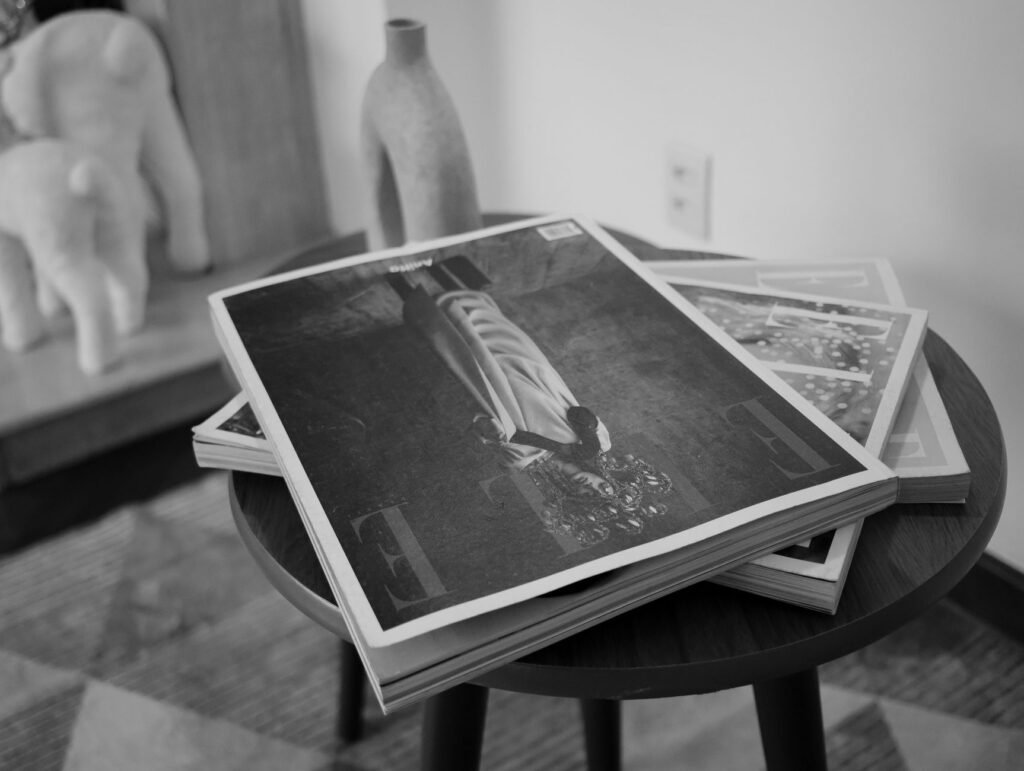
No. There was never a magazine called Minx, and Joyce Prigger and Doug Renetti are invented. Ellen Rapoport wrote an original comedy rather than a dramatization. The publishing moment it sits inside is documented, though, and two real magazines launched within months of each other in 1973 doing broadly what the show describes.
Who made Minx, and when it aired
| Question | Answer |
|---|---|
| Based on a true story? | No, an original series |
| Based on a book? | No |
| Created by | Ellen Rapoport |
| Lead cast | Ophelia Lovibond, Jake Johnson, Idara Victor, Jessica Lowe, Lennon Parham, Oscar Montoya |
| Setting | Los Angeles in the 1970s |
| First shown | HBO Max, March 2022 |
The magazines that did exist
Playgirl launched in June 1973, out of Los Angeles. Viva followed in October of the same year, published by Bob Guccione and Kathy Keeton, who already ran Penthouse. Both were built on the same commercial bet the show dramatizes: that a magazine could put male nudes in front of women alongside serious writing, and that advertisers and distributors would eventually accept it.
Rapoport has said in interviews that discovering these were framed as feminist projects was the thing that started her writing. Viva is the closer parallel of the two. It came from inside an existing adult publishing house, it aimed at a readership that magazine had never spoken to, and it lasted until 1980. That is the real material behind the series. It is background, not biography.
Joyce and Doug are both invented
Joyce Prigger is not a version of any named editor. She is assembled out of a recognizable type: a young, college educated second wave feminist who arrives with a manifesto and discovers that publishing runs on distribution deals and printing schedules.
Doug Renetti is likewise written rather than reported, although the shape of him is accurate to the period. Playgirl was founded by a Los Angeles nightclub owner working with an advertising executive, on a small initial investment. The men who actually financed women’s erotica in the early 1970s were, in the main, men already operating in adult publishing and nightlife who saw an open market. The show’s central joke, that the feminist and the pornographer need each other, is a fair reading of how the business worked.
The production details that read as reported
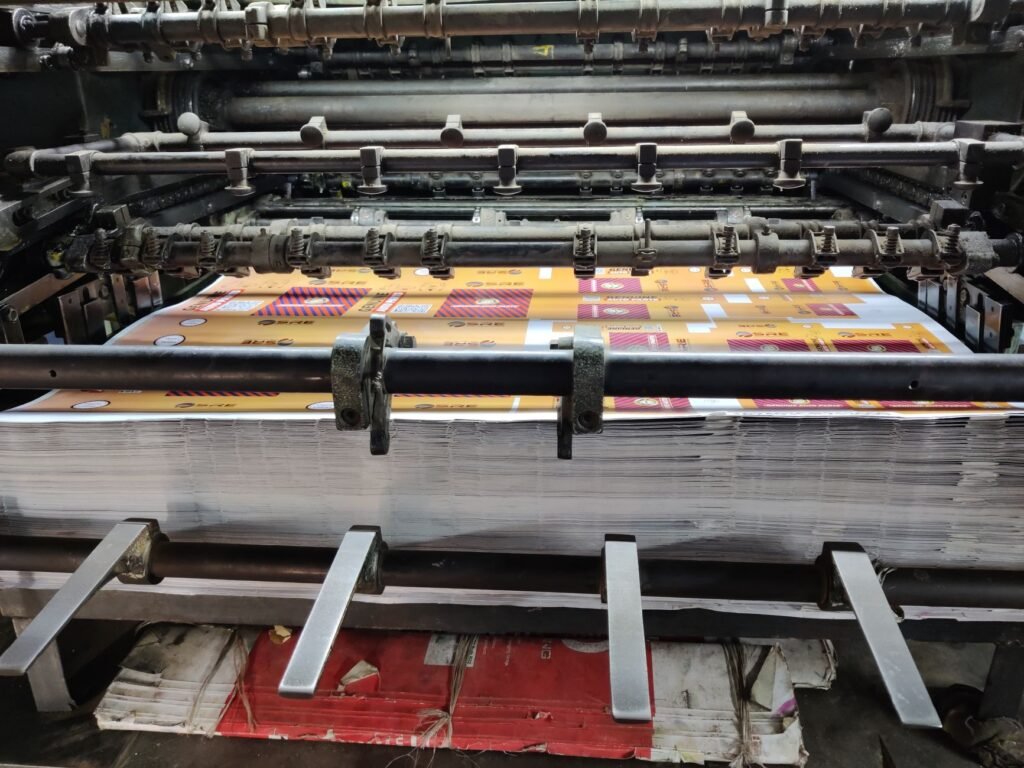
A lot of the show’s credibility comes from process rather than plot. The negotiations over what the newsstand will carry, the printers who refuse the job, the advertisers who will not sit beside the content, the trade show, the office politics of a small magazine staff: all of that is the ordinary machinery of independent publishing in that decade, and the series renders it carefully.
The costume and set work pushes it further. Offices done in orange and brown, typewriters and paste up boards, a Los Angeles that still looks like a collection of low buildings. None of that is invented, because it does not need to be, and the accuracy transfers by association to everything happening in front of it.
The effect is the same one that makes people ask this question about well made period drama in general. Accurate industry texture gets mistaken for an accurate account of particular events, and the more competent the design department, the stronger the illusion.
Why it moved networks mid run
Worth knowing if you are trying to watch it. The first season premiered on HBO Max in March 2022 and was renewed, then cancelled in December of that year while the second season was already in production. Starz picked the show up, hosted the first season and premiered the second in July 2023. Starz then ended it after that season.
So the run is two seasons, produced for one service and finished on another, which is why the show can be hard to find in one place.
Telling period comedy from period record
The test is the same for any series set in a documented industry. Look for a named source in the credits, a book, a memoir or a person credited as the subject. Minx has none. It has a creator credit and nothing else, which is what an original series looks like.
Then separate the two claims underneath the question. Did this magazine exist? No. Did magazines like it exist, run by people with roughly these motives, facing roughly these obstacles? Yes, and that part is well documented. Both answers are true at once, and the show is honest about occupying the space between them.