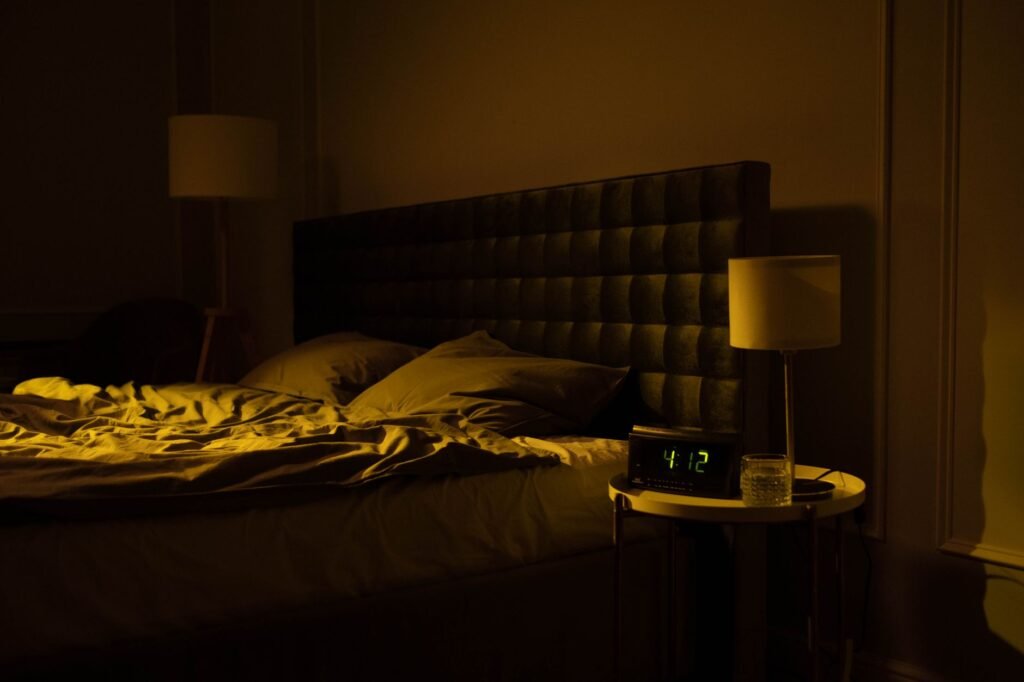
No. Paranormal Activity is an original screenplay, and nothing in it is footage of a real haunting. Oren Peli wrote and directed it, shot it inside his own house, and hired two actors whose first names he then gave to the characters. Everything that makes it feel recovered rather than filmed was constructed on purpose.
One house, two actors, and a festival
| Question | Answer |
|---|---|
| Based on a true story? | No, original screenplay |
| Based on a book? | No |
| Written and directed by | Oren Peli |
| Lead cast | Katie Featherston, Micah Sloat |
| Filmed in | A private house in San Diego, California |
| First shown | Screamfest Horror Film Festival, October 2007 |
| Wide release | 2009, Paramount Pictures |
The title card that starts the confusion
Before a single frame of the house appears, the film thanks the families of Micah Sloat and Katie Featherston, and thanks the San Diego Police Department. Read quickly, that is a memorial notice and a police reference, the two things a genuine recovered tape would carry. It is not a disclaimer and it is not a credit. It is written in the exact register of an official acknowledgement, and it lands before viewers have anything else to judge the film by.
The names are the second half of the trick. Katie Featherston and Micah Sloat are the actors, and the characters carry their real first names. Search either name after watching and the results look like a person rather than a role, which is the point at which a lot of people go looking for a case file.
A house, two performers and almost no script
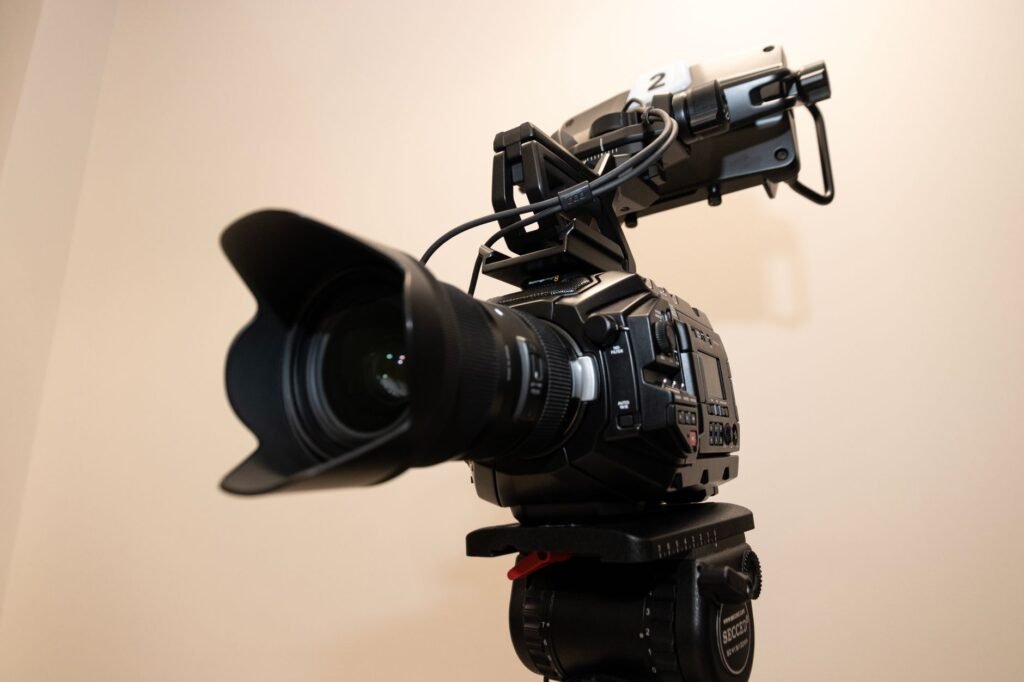
Peli shot the film in the home he was living in, using a small crew and a reported budget in the region of fifteen thousand dollars. The dialogue was largely improvised from an outline rather than performed from finished pages, which removes the rhythm audiences use to recognize written speech. The camera mostly sits still. Long stretches of the bedroom footage are close to motionless, so the viewer starts hunting the frame for movement instead of following a scene.
That approach was a deliberate bet on believability over spectacle. There is very little gore and almost no visible creature. What the film spends its running time on is ordinary domestic behavior, filmed the way people actually film themselves, and ordinary behavior is much harder to dismiss as staged than a special effect is.
Why found footage keeps getting mistaken for footage
The format inherits its credibility problem from the late 1990s, when the first wave of found footage horror was marketed with genuine ambiguity about whether the people on screen had ever come home. Once that template existed, every entry in the genre arrived carrying a small residue of that question. Paranormal Activity leaned on it harder than most, partly because it did not have a recognizable cast to break the spell. There is no score either, so nothing cues the audience the way a horror soundtrack normally does.
The release strategy pushed in the same direction. Paramount opened it with midnight screenings in a handful of college towns and ran a campaign inviting people to vote online to bring the film to their own city, so the rollout looked like a groundswell rather than a studio plan. The trailers cut the bedroom night vision footage together with night vision shots of real audiences at test screenings, flinching in the dark. The effect is a piece of marketing in which the most convincing documentary material is of the viewers, not the ghost.
The version you saw was not the first cut
The film sat unreleased for roughly two years after its 2007 festival screening before a studio pushed it into theaters in 2009. In between, the ending was reworked and additional material was shot, at a cost well above the original production budget. A finished haunting recording does not get a second ending commissioned two years later, and that production history is on its own a complete answer to the question.
Questions worth asking of any found footage film
- Who holds the writing credit? Recovered footage does not have a screenwriter. This one does.
- Do the characters share names with the cast? That is a standard immersion device, not evidence.
- Was there a festival premiere? Festival programming means a film, submitted and selected like any other.
- Is there a documented sequel structure? Ongoing franchises are built by studios, not found in storage units.