
The answer is HEAL, four letters. Cure is pulling verb duty in that reading, and HEAL is the fill most grids want. When the slot calls for a noun the answer is REMEDY at six squares, with TONIC and SALVE covering five. Decide which part of speech the clue is using before you count anything.
Medicine, meat and concrete all get cured
Three unrelated trades share this verb, and a setter can point at any of them. In medicine, to cure is to make well, which gives HEAL, MEND and REMEDY. In a kitchen or a smokehouse, to cure is to preserve with salt, smoke or brine, which gives SALT and SMOKE. On a building site, resin, glue and concrete cure as they set, which gives HARDEN and SET. There is even a fourth corner, the ecclesiastical one, where a cure of souls is a parish priest’s charge and the related word is curate. All four go back to the Latin for care, but they have drifted so far apart that they now behave as separate words.
For a solver that split means the corner does the work: the clues sitting around this one matter more than the word itself. A bare Cure sitting among medical wording is the healing verb. The same three squares in a puzzle with a food theme running through it is far more likely to want the preserving sense, and a clue built around a workshop or a construction site is pointing at the setting sense. Read the corner before you read the word.

Which cure word your grid has room for
| Letters | Answer | Sense |
|---|---|---|
| 3 | FIX | Informal, and often clued that way |
| 4 | HEAL | The default verb |
| 4 | MEND | Recovery over time, or repair |
| 4 | SALT | Preserving, not healing |
| 5 | SALVE | A noun, applied to skin |
| 5 | SMOKE | The smokehouse sense again |
| 5 | TONIC | Restorative rather than curative |
| 6 | REMEDY | The standard noun |
| 7 | RESTORE | Long slots, broader sense |
The smokehouse sense catches solvers out
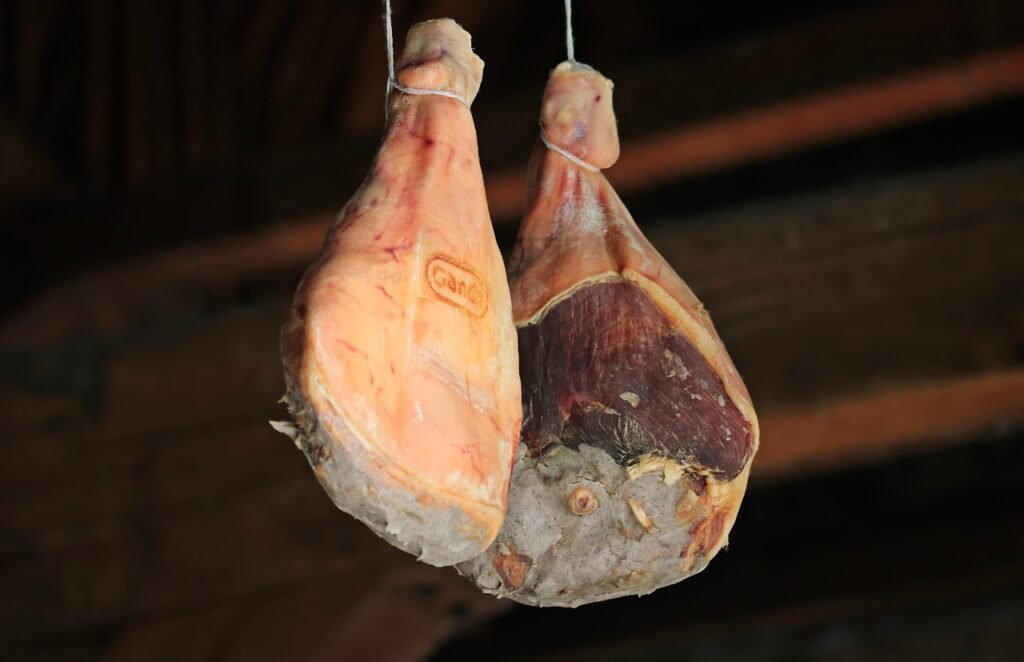
Curing food and curing patients have nothing to do with each other beyond the shared spelling, and that is precisely why the food sense makes such good clue material. Salt curing works by pulling water out of the meat, since what spoils food needs moisture to get going, and smoke adds a second layer of preservation along with the flavor people actually buy it for. Bacon, ham, salt cod and cold smoked salmon all come out of that tradition. So when a bare “Cure” sits in a puzzle surrounded by kitchen clues, count the squares for SALT and SMOKE before you assume the clue is medical.
The vocabulary around it gives setters more material than the verb alone. BRINE fills five squares and names both the salt solution and the act of soaking meat in it. AGE fills three and covers what happens to a country ham or a wheel of cheese while it hangs. SMOKER fills six for the equipment rather than the process. None of those would occur to you from a clue that reads like a hospital, which is exactly the point of writing the clue that way.
The hyphen changes the clue completely
Watch for the hyphenated version, because it is not this clue at all. A cure-all promises to fix every complaint at once, and that boast has its own vocabulary sitting in a separate corner of the dictionary from the plain verb. ELIXIR is the only member of that family that ever leaks across, and even then only when the wording hints at something bottled rather than something administered. Everything else over there answers the cure-all clue and nothing else. A plain “Cure” asks that one named problem be put right, so if you have dropped a miracle word into the slot and every crossing is fighting you, that mismatch is almost always the reason.
BALM and MEND are the near misses
Four squares is where this clue does its damage, because three plausible words fit. BALM soothes and comforts without curing anything, so it belongs to clues about relief rather than recovery. MEND works well for bones and for things, and a setter using it will usually hint at breakage somewhere in the wording. SALT is correct only in the preserving sense. HEAL is the one that covers the plain reading, so write it lightly, then take the first crossing letter you can get and confirm it before building the rest of the corner on top.