The answer is PORT, four letters. ASTI also fits four squares and TOKAY takes five, so this clue rewards a solver who knows why a wine is sweet rather than one who has simply memorised a list. Every sweet wine in a crossword got that way through one of three processes, and how the clue is phrased will normally point at the one it means.
Three ways a wine ends up sweet
All wine starts as grape juice loaded with sugar. Yeast eats that sugar and produces alcohol, and a wine is called dry when the yeast finished the job and nothing sweet was left over. Sweetness therefore means one of three things happened. The fermentation was stopped before the yeast could finish. The sugar was concentrated so heavily before fermentation began that the yeast could never have got through it. Or sweetness was added back at the end. Nearly every sweet wine a puzzle will ask you about belongs to the first two categories.
Fortification is a fermentation kill switch
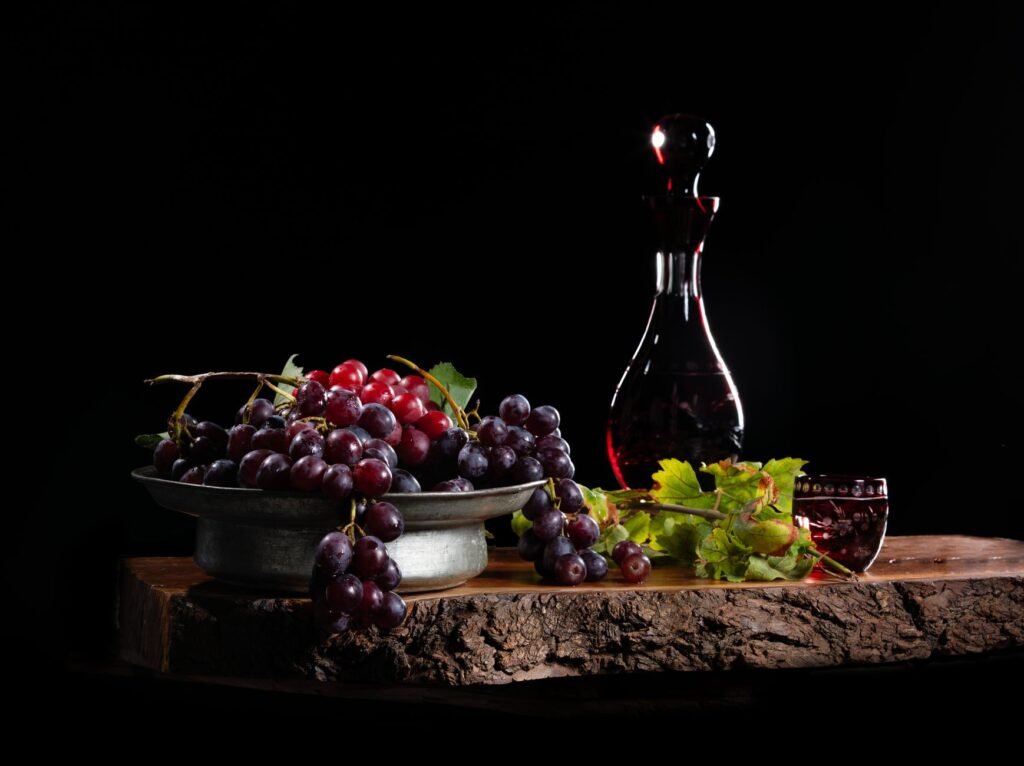
Port is the textbook case of stopping fermentation early. Partway through, while a good deal of grape sugar is still unconverted, the winemaker adds neutral grape spirit. That pushes the alcohol level past what the yeast can survive, the fermentation halts on the spot, and the remaining sugar stays in the bottle. This is why port manages to be strong and sweet at the same time, a combination unfortified wines cannot reach, since the sweetness and the alcohol come from the same finite pool of sugar.
The wine comes from the Douro valley in Portugal and takes its name from the city of Porto. Madeira and Marsala are built on the same fortification principle, and Malmsey is the name for the sweetest of the Madeira styles, which is worth filing away because it fits seven squares.
Rot and frost as concentration tools
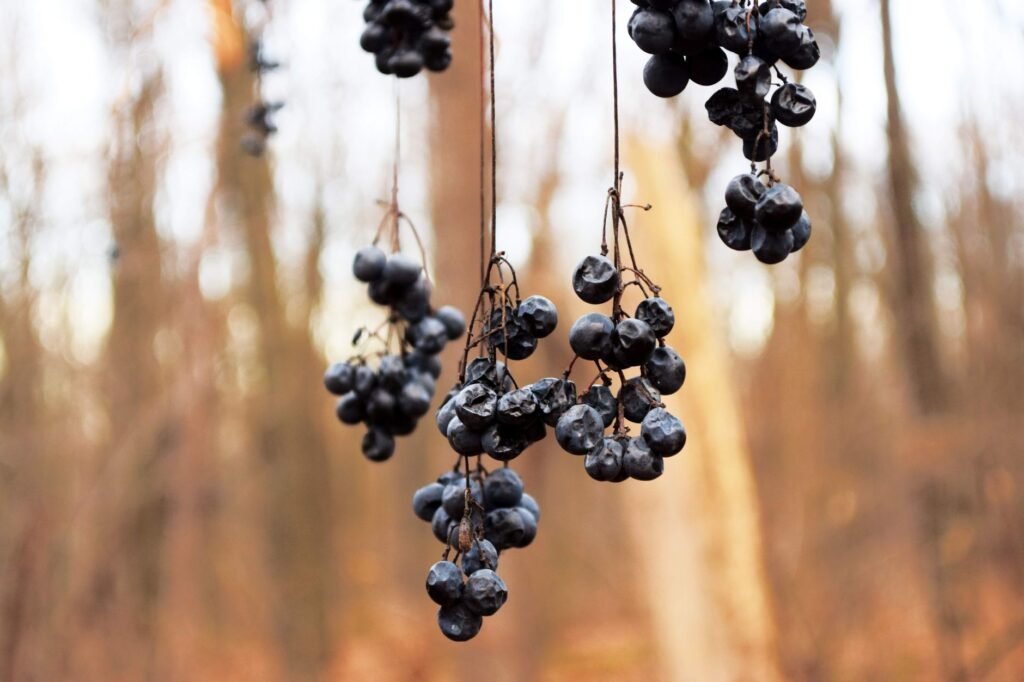
The other route is to remove water from the grape before fermenting it, which leaves everything else more concentrated. Noble rot does this biologically: the fungus Botrytis cinerea punctures the grape skin, moisture escapes, and the shrivelled fruit left behind is intensely sweet and still sharply acidic. Sauternes in Bordeaux is made this way, and Tokaji in Hungary works on the same principle with its shrivelled aszu berries.
Ice wine reaches the same place by a different road. The grapes are left on the vine until they freeze, then pressed while still frozen, so much of the water stays behind in the press as ice and only the concentrated juice runs out. Drying grapes on mats after picking is a third variation on the same idea. All of these are labor intensive, which is why sweet wines made this way arrive in small bottles at large prices.
The third route, adding sweetness back at the end, is the least glamorous and the most widespread. Sparkling wine is the clearest example, since a measured dose of sweetened wine goes in after the sediment is removed, and that dose is what separates a bone dry bottle from a frankly sugary one made from the same base.
Squares first, then the bottle
| Letters | Answer | What triggers it |
|---|---|---|
| 4 | PORT | Plain wording, or any hint of fortification |
| 4 | ASTI | Sparkling, or an Italian reference |
| 5 | TOKAY | Hungarian reference, common in older grids |
| 6 | MUSCAT | The grape named, or a dessert wine hint |
| 7 | MADEIRA | Portuguese island named |
| 7 | MALMSEY | The sweetest Madeira style |
| 7 | MARSALA | Sicilian reference, or cooking wine wording |
| 8 | SAUTERNE | American spelling, French or Bordeaux hint |
Reading the wording for a nationality hint
Setters know this field is crowded, so they narrow it for you more often than not, and the narrowing is almost always geographical. A Hungarian reference is pointing at TOKAY and nothing else. Portuguese sends you to PORT or MADEIRA depending on the square count. Italian plus sparkling is ASTI. French or Bordeaux is the Sauternes family, and note that American puzzles routinely drop the final S. If the clue says fortified, you are in the port and Madeira group by definition. And if it offers nothing but the bare words, the four letter default is where to start. One caution worth carrying: sherry is mostly a dry wine, so it is a poor guess for an unqualified sweet wine clue unless the puzzle specifies a cream or Pedro Ximenez style.
Frequently asked questions
Is PORT or ASTI right for a four letter sweet wine clue?
Default to PORT unless the clue mentions bubbles, spumante or Italy. ASTI is a sparkling wine, and setters normally flag that somewhere in the wording.
Why does TOKAY turn up so often in crosswords?
It is a five letter word with a friendly pattern of common letters, which makes it easy to cross. That is the same reason a lot of older wine entries persist in grids.
Can SHERRY answer a sweet wine clue?
Usually not. Most sherry is fermented dry, and only specific styles such as cream sherry or Pedro Ximenez are sweet, so the clue needs to say so.