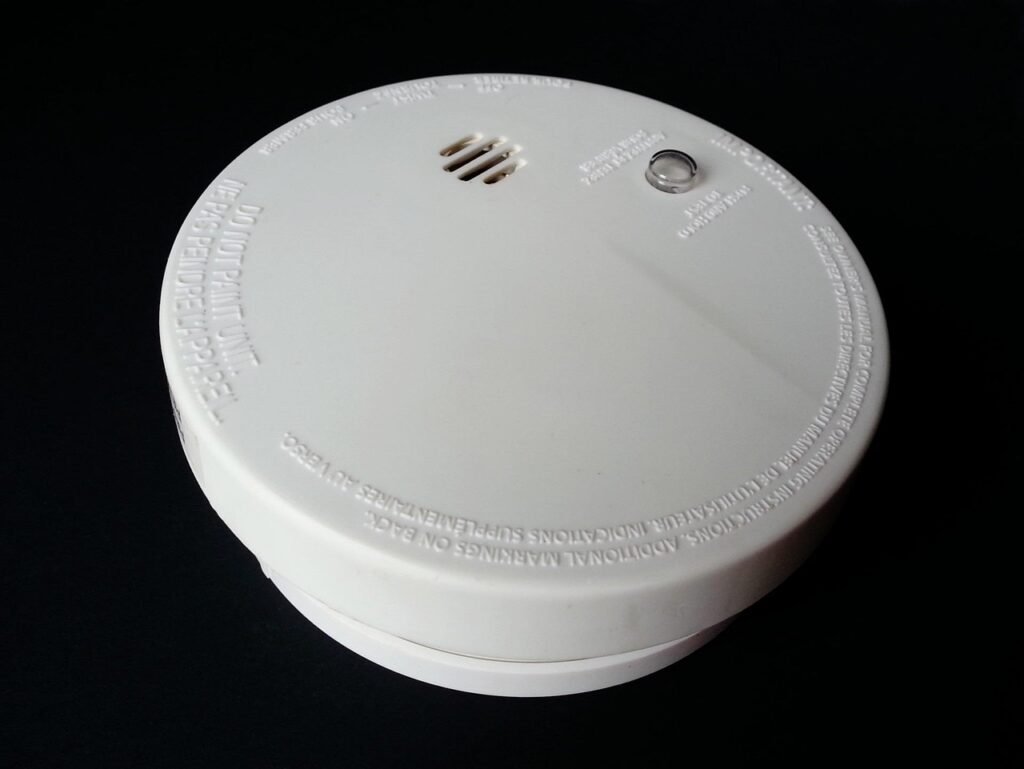
A false positive is a result that says a condition is present when it actually is not. A smoke alarm going off because of burnt toast, a spam filter sending a real email to junk and a security scanner flagging a safe program are all false positives. In statistics the same mistake is called a type I error.
The four outcomes of any yes or no test
Every test that answers yes or no can land in one of four boxes, depending on what the test said and what was really true. Two of those boxes are correct and two are mistakes.
| Condition really present | Condition really absent | |
|---|---|---|
| Test says yes | True positive | False positive |
| Test says no | False negative | True negative |
The words positive and negative describe what the test reported, not whether the news is good or bad. A positive result means the test answered yes. True or false tells you whether that answer matched reality. So a false positive is a yes that should have been a no, and a false negative is a no that should have been a yes.
False alarms from spam filters, smoke detectors and security scans
Most people meet false positives every week without calling them that. Your email provider moves a message from a real person into the spam folder. A home security camera sends a motion alert because a branch swayed in the wind. The metal detector at a stadium beeps at a belt buckle. Antivirus software quarantines a harmless file because part of its code looks like something dangerous.
In each case the system is built to catch a real threat, and it errs on the side of raising the alarm. That tradeoff is deliberate. A smoke alarm that never went off for toast would also be slower to notice a real fire, so designers accept some annoying false alarms in exchange for fewer missed ones.
Type I error is the statistics name for it
When researchers test an idea, they start from a default assumption called the null hypothesis, which usually says there is no effect or no difference. A type I error happens when the data lead them to reject that default even though it was true, which amounts to announcing a finding that is not really there. A type II error is the opposite, missing a real effect.
Researchers pick a threshold in advance, called the significance level or alpha, that caps how often they are willing to make a type I error when the null hypothesis is true. A common choice is 5 percent. Lowering it cuts false positives but makes real effects harder to detect, which is the same tradeoff the smoke alarm designer faces.
Why rare conditions produce mostly false alarms
A test can be quite accurate and still produce more false positives than true ones when the thing it looks for is rare. This hypothetical example with round numbers shows how.
- Imagine screening 10,000 items, of which 1 percent, or 100, truly have the flaw you are looking for.
- The test correctly flags 95 percent of real cases, so it catches 95 of the 100.
- It wrongly flags 5 percent of the 9,900 good items, which is 495 false positives.
- That makes 590 flagged items in total, and only 95 of them, about 16 percent, are real.
This effect, often called the base rate problem, explains why a single positive screening result is usually followed by a second, more specific check. The rarer the condition, the more a positive result needs confirming.
Cutting down false positives without missing real cases
Because false positives and false negatives pull against each other, the usual fix is not to make one test stricter but to add a second step. Banks text you to confirm an unusual charge instead of blocking the card outright. Email services learn from you each time you mark a message as not spam. Laboratories confirm screening results with a different method. When a result affects your health, your doctor is the person to ask whether a repeat or follow up test makes sense.
Frequently asked questions
What is the difference between a false positive and a false negative?
A false positive says yes when the true answer is no, such as an alarm with no intruder. A false negative says no when the true answer is yes, such as a spam message that lands in your inbox. Reducing one kind of error usually increases the other.
What is a false positive rate?
The false positive rate is the share of truly negative cases that a test wrongly marks as positive. If a test checks 1,000 items that are all fine and flags 20 of them, its false positive rate is 2 percent. Specificity is the flip side, the share it correctly clears.
What should I do if I think a result is a false positive?
It depends on the setting. For email, mark the message as not spam so the filter learns. For a security or fraud alert, confirm through the company's official app or phone number. For any health test, ask your doctor whether a repeat or different confirmatory test is appropriate.
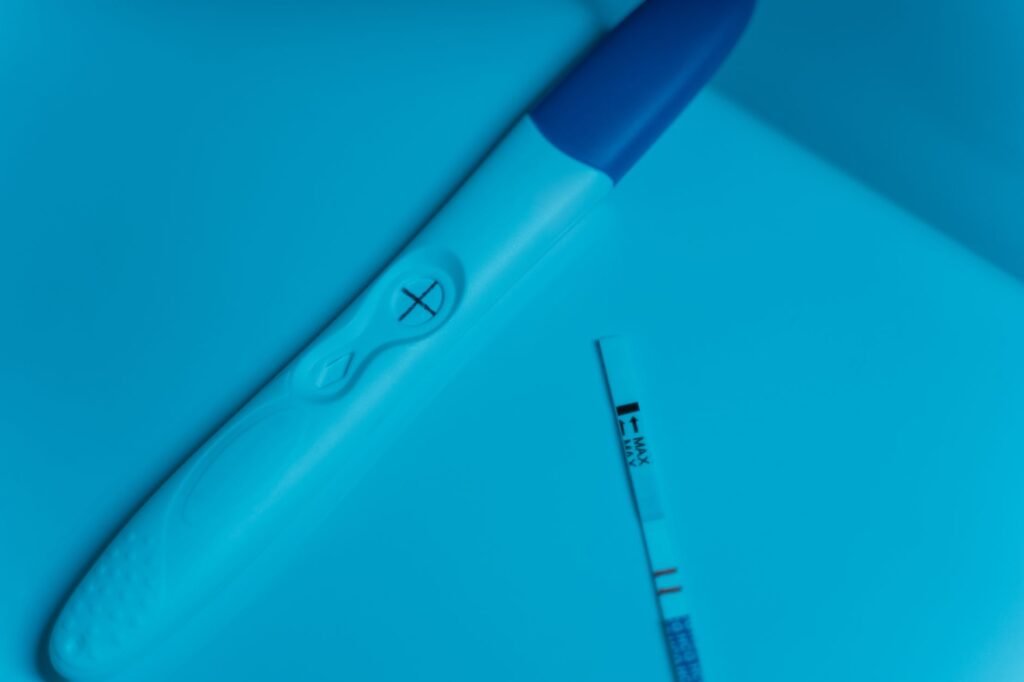
Can you get a false positive pregnancy test?
Yes, but it is uncommon. The most frequent cause is an early pregnancy loss, when the test detects hCG from a pregnancy that ended. Fertility shots containing hCG, hormone lingering after a recent birth or miscarriage, and reading the result too late can also mislead. Retesting a few days later or getting a blood test can confirm.
How common are false positives?
There is no single rate, since it depends on the test and on how rare the condition is. With a reasonably accurate test and a common condition, most positive results are real. When the condition is rare, false positives can outnumber true ones, which is why a positive screening result usually gets a second, more specific check.